[ad_1]
Over the past two decades, Dubai has transformed into one of the world’s most rapidly evolving cultural hubs. How does an art fair grow alongside a city in constant flux? Founded in 2007, Art Dubai has positioned itself as a pioneer in the regional art scene. It returns for its 20th anniversary edition with a modified format at Madinat Jumeirah, the home of Art Dubai, from 15 to 17 May (Preview on 14 May).
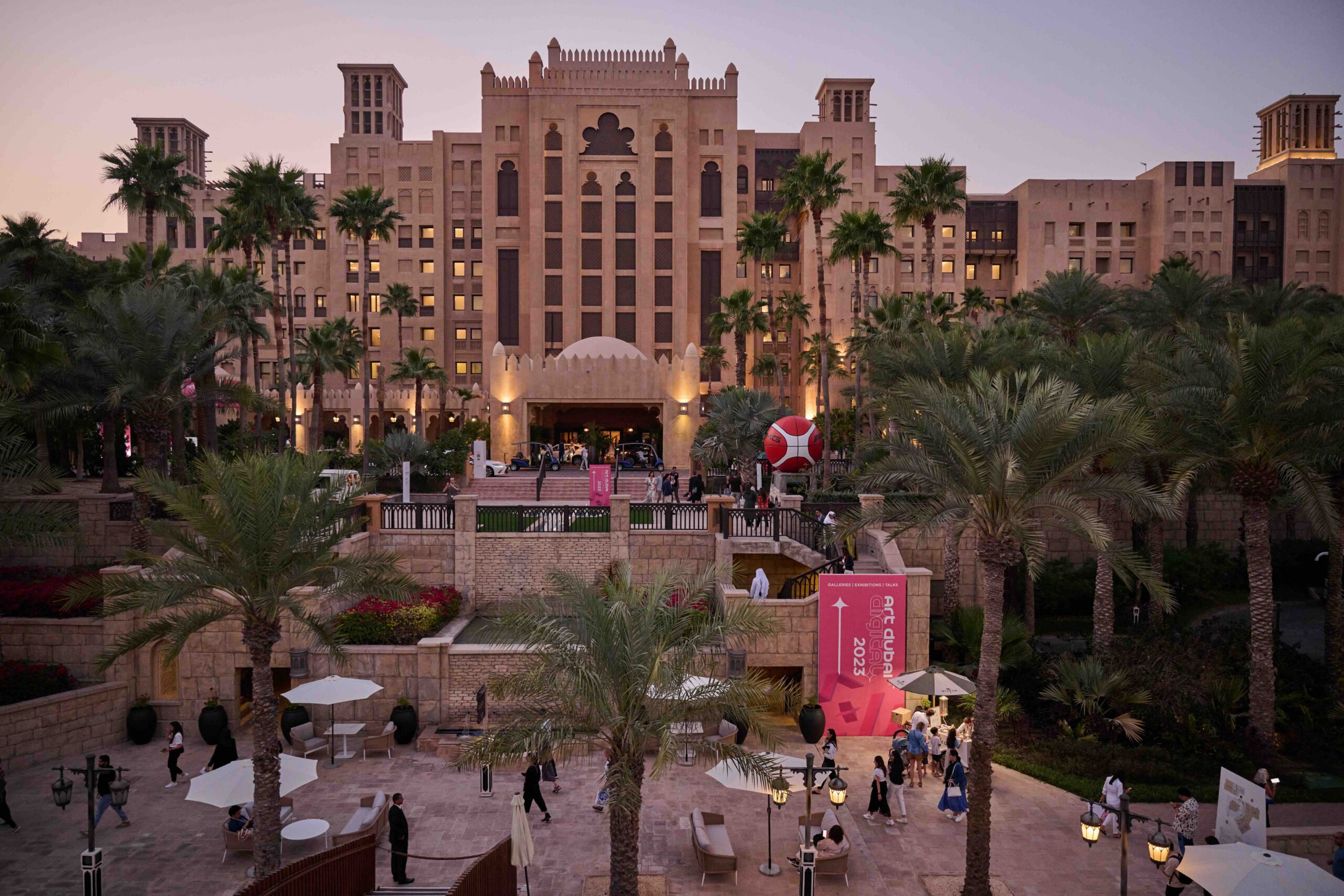
The fair reflects on its own history while responding to a rapidly shifting global landscape. Bringing together galleries, institutions, artists, and long-term regional partners, this year’s programme places particular emphasis on community, collaboration, and forms of exchange that extend beyond the fair itself.
Preceding this year’s edition, Contemporary Lynx talked to Art Dubai’s director, Dunja Gottweis, about the fair’s evolving identity within an increasingly multipolar art world, the significance of discovery and long-term relationship-building, and the role the fair has played in shaping Dubai’s cultural ecosystem over the last twenty years.
Sana Krishna: This year, the programme adopts a modified format at Madinat Jumeirah, with an emphasis on the galleries, institutions, and communities shaping the region’s art scene. What does this change in format involve, and how has the current situation affected logistics and production timelines?
Dunja Gottweis: Art Dubai has longstanding partnerships with the private sector, institutions and government – and, after 20 years of supporting this unique ecosystem, we are deeply embedded in the city’s creative ecology. More than this, we are committed to developing long-term initiatives that reflect Dubai’s cultural ambitions and diverse communities.
For this special edition, we wanted to create something different that honours our history and reflects on the present moment. What quickly became clear in our many conversations is the importance of Art Dubai as a platform and anchor of the region’s cultural scene and art market. This year, visitors will see a more focused programme that features more than 75 presentations from galleries, institutions and partners from 20 countries. In line with earlier editions, about 60% is drawn from the region, with the rest coming from across the world. The galleries that have been instrumental in building the scene are, of course, well-represented, but we are also pleased to welcome strong presentations from several first-time international exhibitors. Reflecting Art Dubai’s long-term strengths was also extremely important, and the featured presentations span contemporary, modern and digital practices, including established and emerging voices – from modernist pioneers to a new generation of talent.
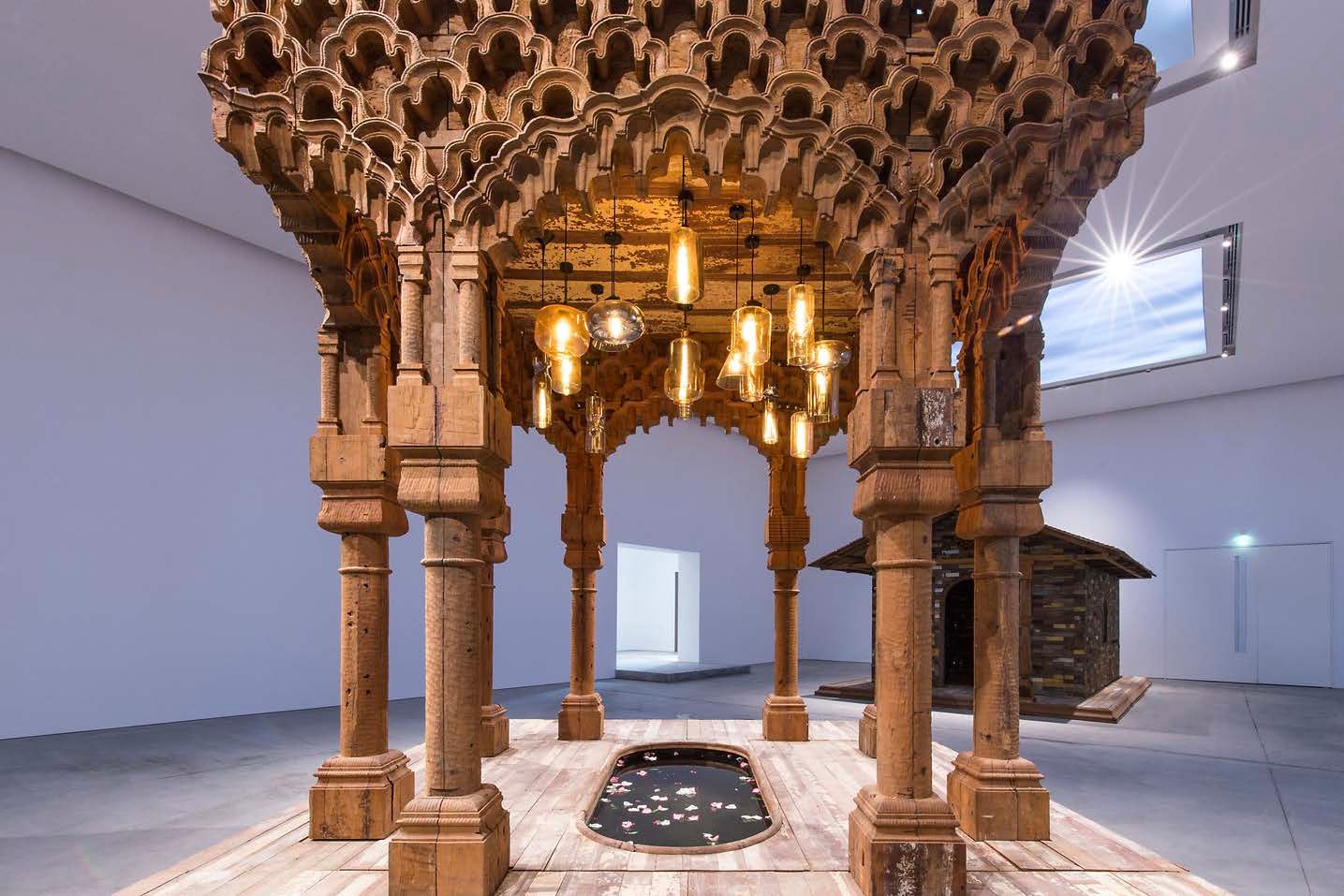
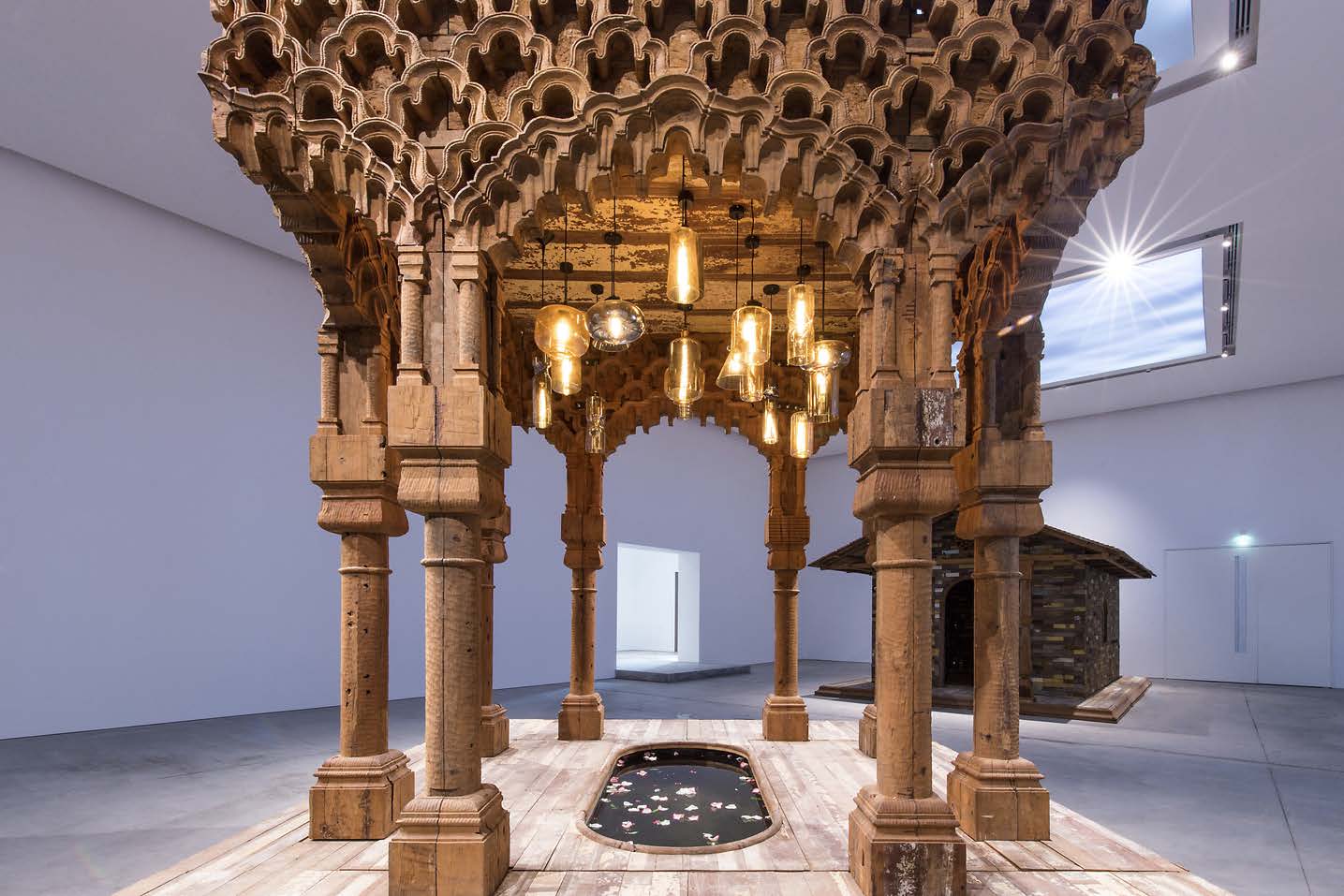
The postponement gave us the opportunity to present a new approach to the public programme and consider how our visitors will experience the fair campus. Large-scale installations will be showcased alongside new commissions, performances and screenings in an expanded programme created in collaboration with key cultural institutions across the region, including Art Jameel, Sharjah Art Foundation, Barjeel Art Foundation, Guggenheim Abu Dhabi and Alserkal.
Our talks programme will include the 20th edition of our flagship Global Art Forum, titled Before and After Everything and developed by long-term commissioner Shumon Basar. The programme takes a look back at the Forum’s own past over the last 20 years to navigate the present moment in a rapidly shifting world.

SK: After more than a decade at Art Basel – overseeing gallery relations across four global fairs and helping launch new editions in Hong Kong and Paris – you arrive at Art Dubai at a pivotal moment, its 20th anniversary. How does this global understanding of gallery ecosystems inform your decisions around discovery, diversity, and positioning Art Dubai within an increasingly multipolar art world?
DG: My background in the international art world has shaped my understanding of what an art fair means to the galleries. A fair is truly successful when it is more than a commercial platform, when you actually build relationships. And that happens over time – our aim is to create opportunities to continue building the community and ecosystem by expanding meaningful relationships with artists, collectors and like-minded individuals or organisations year-round, with opportunities beyond the annual art fair. This is what Art Dubai has championed for 20 years: cultivating a sense of discovery for participants and audiences alike, and rewarding that curiosity.
A fair is truly successful when it is more than a commercial platform, when you actually build relationships.
My focus is on expanding the fair’s geographic reach in ways that feel organic and reflect its unique identity. We are part of a much bigger and rapidly developing ecosystem, nurturing long-term partnerships with institutions across the region to build programmes that reflect the pivotal role Art Dubai has played in galvanising the region’s art scene for more than 20 years. Locally rooted and internationally resonant, the fair continues to champion cultural conversations and artistic practices that connect the region to wider global contexts.

SK: Will this edition still be structured around the five sections: Future, Past, and Present?
DG: For anyone who has closely followed the fair and indeed Dubai itself, these are recurring themes and guiding principles across the programme. The region holds rich and often underrepresented cultural histories, particularly in relation to Arab modernisms, and this edition reflects that through major presentations and exhibitions, including 20 modern masterpieces in Pulse by Barjeel Art Foundation and works drawn from 20 private collections for Made Forward by Dubai Collection – the city’s first institutional art collection.
Dubai is one of the most dynamic, diverse and contemporary cities in the world, and the programme must reflect that energy. New works and fresh perspectives are central to the fair’s DNA, which has always been a place of discovery, rewarding curiosity through new commissions, first-time exhibitors and emerging artistic voices.
We have also long been committed to digital art and new technologies, and are pleased to present a strong digital focus in this edition. That spirit of exchange and multidisciplinarity extends across the talks programme, from the Global Art Forum to our Conversations with Artists series, which we are pleased to co-programme this year with Guggenheim Abu Dhabi.
Dubai is one of the most dynamic, diverse and contemporary cities in the world, and the programme must reflect that energy. New works and fresh perspectives are central to the fair’s DNA, which has always been a place of discovery, rewarding curiosity through new commissions, first-time exhibitors and emerging artistic voices.
SK: Islamic art historically turned away from figuration, though this has evolved over time. Do you see a growing presence of portraiture and the human figure in contemporary art from the UAE and the wider region – particularly at Art Dubai – and what might this signal culturally?
DG: Islamic art is referred to in academia as the art created in the regions where Islam, the religion, was embraced. So even if the art was Jewish or Christian from the lands of the Levant, it is often still referred to as Islamic art. It focused on geometry, repetition, and patterns – sometimes vegetation and floral motifs – all created in celebration of faith and as a meditation to embellish places of worship such as mosques.
But figuration predates this tradition. From the Fayum portraits of antiquity to Christian iconography found across the Arab world, portraiture had long existed in the region. With the arrival of Islam in the 7th century, both worlds – portraiture and the new visual directions shaped by the religion – continued to coexist.
The contemporary art movement in the UAE is relatively young, even if it is now around thirty years old. Many artists have chosen to work with the human figure, often in an abstracted manner. Yet the broader tendency seems to lean more toward abstraction and conceptual art.

SK: Art Dubai’s shared-risk model, in which participants pay 50% of booth fees upfront, with the remaining 50% contingent on sales, is often cited as progressive. What happens in the event of zero sales?
DG: Art Dubai has always been agile in adapting to both macro- and micro-factors shaping the global art market. Reflecting the challenges many galleries are currently facing, we are presenting an innovative risk-sharing model for this special edition, in which galleries’ booth costs are payable based on success. This is something that we trialled successfully in the Covid edition in 2021. We are confident in this structure, and I’m glad that we’re able to offer galleries this option, where payment is based on success.

SK: What should audiences and galleries expect Art Dubai to stand for over the next five years?
DG: We start from a position of strength, having contributed to a very active and lively cultural ecosystem over the past 20 years. This means that Art Dubai has 20 years of groundwork in supporting and sustaining Dubai’s role as the commercial art centre of the region’s art market. This has led to the development of a multi-layered cultural ecosystem that did not exist when Art Dubai first launched.
This has been achieved through educational programmes, including the Global Art Forum, which has consistently anticipated trends and conversations before they entered the mainstream. This year’s edition will reflect on that unique history. Campus Art Dubai is the region’s first long-term professional development programme for artists and cultural professionals, and alumni now occupy key roles across institutions and independent spaces in the region and well beyond.
What excites me about Art Dubai’s future is that, as an independent organisation rooted in the region but connected to the world, we have always been significantly more than a traditional commercial art fair. Art Dubai Project continues to go beyond the conventional art fair model – operating year-round to create opportunities for galleries, artists, collectors, and to rethink what fairs can be.
SK: What would success look like for you at the close of this anniversary edition – beyond numbers, footfall, and sales?
DG: Success for Art Dubai is measured in the strength and response of our community and its ongoing resilience as we navigate the present moment together. It means people leave with new conversations and connections, new artists to follow and champion, new collaborations, and an enhanced understanding of what this region’s cultural landscape is producing right now.
We also stand together as a community to mark two decades in Dubai, and that sense of shared momentum is important. People should feel that this edition broadens their horizons, challenges how they think, and leads them to discover artists or galleries they did not know they were looking for. Ideally, they leave with a sense of excitement about the work they’ve seen, and with something meaningful they did not expect to find.
Success for Art Dubai is measured in the strength and response of our community and its ongoing resilience as we navigate the present moment together. It means people leave with new conversations and connections, new artists to follow and champion, new collaborations, and an enhanced understanding of what this region’s cultural landscape is producing right now.
SK: Finally, Dunja translates to “world.” If you had to describe the world of Art Dubai 2026 in just three words, what would they be?
DG: To me, Art Dubai mirrors the essence of Dubai: future-facing, regionally-rooted and welcoming.
[ad_2]
Source link
