
[ad_1]
The countercultural icon’s Stendhal Syndrome exposed the contemporary art world’s unease with political dissent.
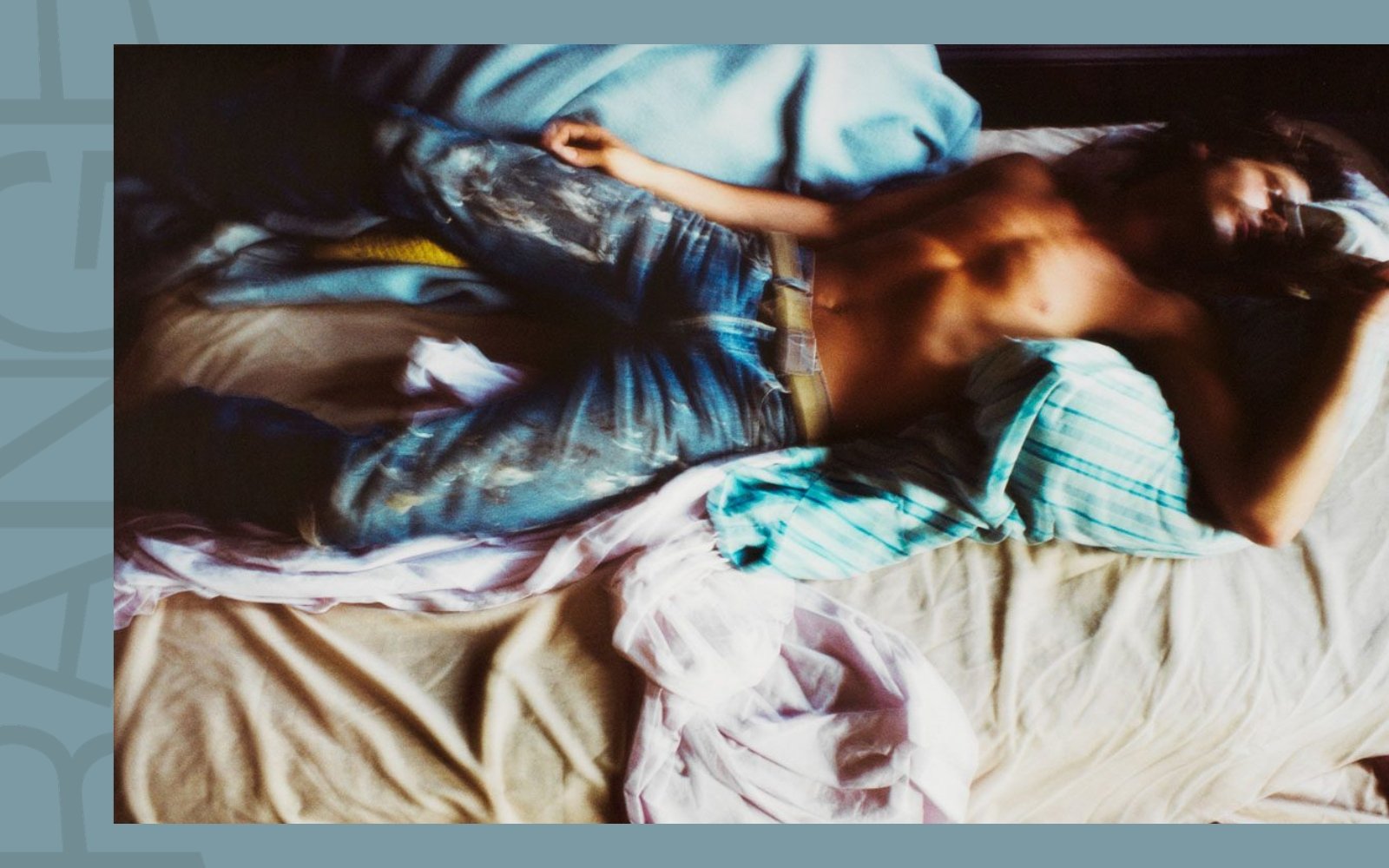
The piece, a roughly 25-minute slideshow composed of photographs of classical Renaissance and Baroque artworks interspersed with images of friends, lovers, and other subjects from Goldin’s intimate life, recounts multiple stories from Ovid’s Metamorphoses through Goldin’s own narration. Its title, Stendhal Syndrome, is meant to invoke the psychological condition of disorientation and bewilderment that can supposedly be triggered through exposure to immense beauty, a quality the piece both narrativizes and provokes in the viewer. The work itself is a gorgeously rendered example of the slideshow format Goldin popularized in the 80s, as well as a prime example of her quintessentially intimate candid portraiture. The piece is a testament to the beauty of the human form and to the timeless desire to document each other’s radiance since antiquity. Nudity aside, the piece is innocent enough, so why the fuss? Why now—over a month after the exhibit has closed—was Goldin invited to Vancouver?
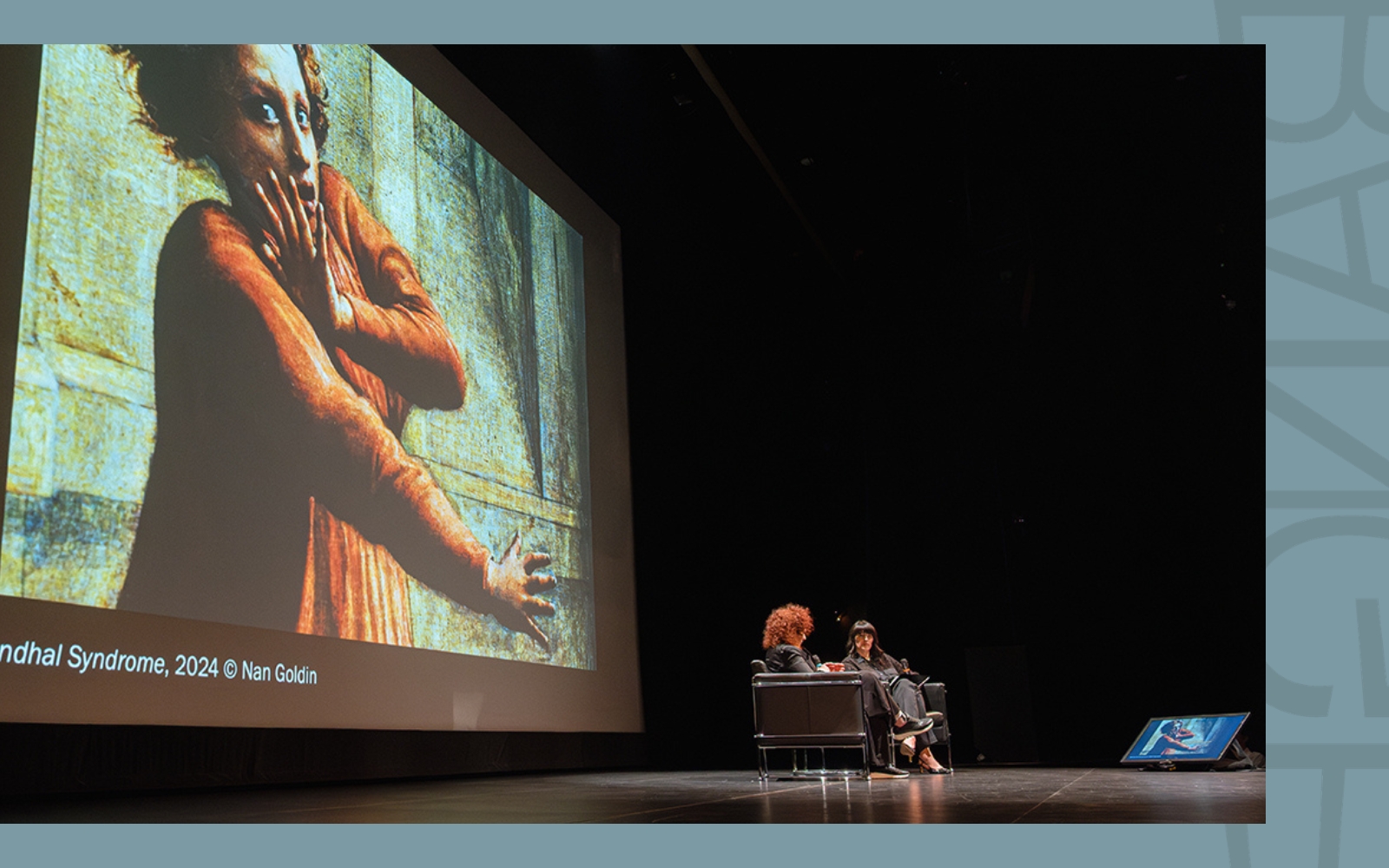
To describe the cultural significance of a figure like Goldin to the uninitiated is almost like trying to describe the importance of water to a goldfish. Goldin was at the vanguard of a certain form of unpolished, candid, portraiture photography now ubiquitous on apps like Instagram. Her photography, best represented by her most notable and iconic collection, The Ballad of Sexual Dependency, often depicts the intimate lives of people at the margins of society: the creative underclass, the queer bohemians, the punks, and the outcasts. Goldin popularized a slideshow presentation format for displaying her photography—frequently accompanied by a delicately curated soundtrack and narration—that has now been co-opted to resemble the modern “stories” feature on any social media app. By turning her camera towards the moments of jubilation, sorrow, intimacy, and self-destruction typically undocumented by the established art world at the time, she introduced a new notion of subjecthood into the medium of photography, subverting the status quo of what exactly constituted “professional photography” altogether.
But her influence and magnetism for controversy didn’t end at changing an art form. Goldin was an extremely active documenter of the ravages of the HIV/AIDS crisis on her community and queer life at large in New York during the height of the epidemic, curating controversial exhibits alongside notable artists and activists lost to AIDS like David Wojnarowicz and Peter Hujar. She channelled the lessons learned in her dalliance with the ACT UP movement to organize the Prescription Addiction Intervention Now (P.A.I.N.) organization, which protested the Sackler Family’s (the profiteers of the current opioid epidemic, infamously) involvement and influence in the organized art world. Her penchant for protest and for using her platform to speak truth to power has naturally engaged her actively in the Palestinian rights movement, with her activism obviously increasing since 2023.
And all of this is what brings us back to her presence in Vancouver on Tuesday night. While the city’s intelligentsia and creative cool kids were gathered in droves (writers and activists Naomi Klein and Gabor Maté were both spotted among the crowd), Goldin was obviously not only in Vancouver to celebrate her exhibit about a month too late. You see, Stendhal Syndrome was not meant to find a permanent home at the VAG. Initially, the piece was meant to move to the Art Gallery of Ontario (AGO) in Toronto as part of a joint acquisition by both Canadian galleries. However, following an accusation from the AGO board that Goldin (who is Jewish) was antisemitic (because that makes sense?) due to her aggressively outspoken stance against Israel’s genocidal campaign in Gaza, the AGO cancelled its acquisition of Stendhal Syndrome, leaving it to fall under co-ownership of the VAG and the Walker Art Centre in Minneapolis. It’s a huge win for the humble Vancouver Art Gallery, while also a major stain on the reputation of the Canadian art world, an institution where the AGO typically reigns supreme.
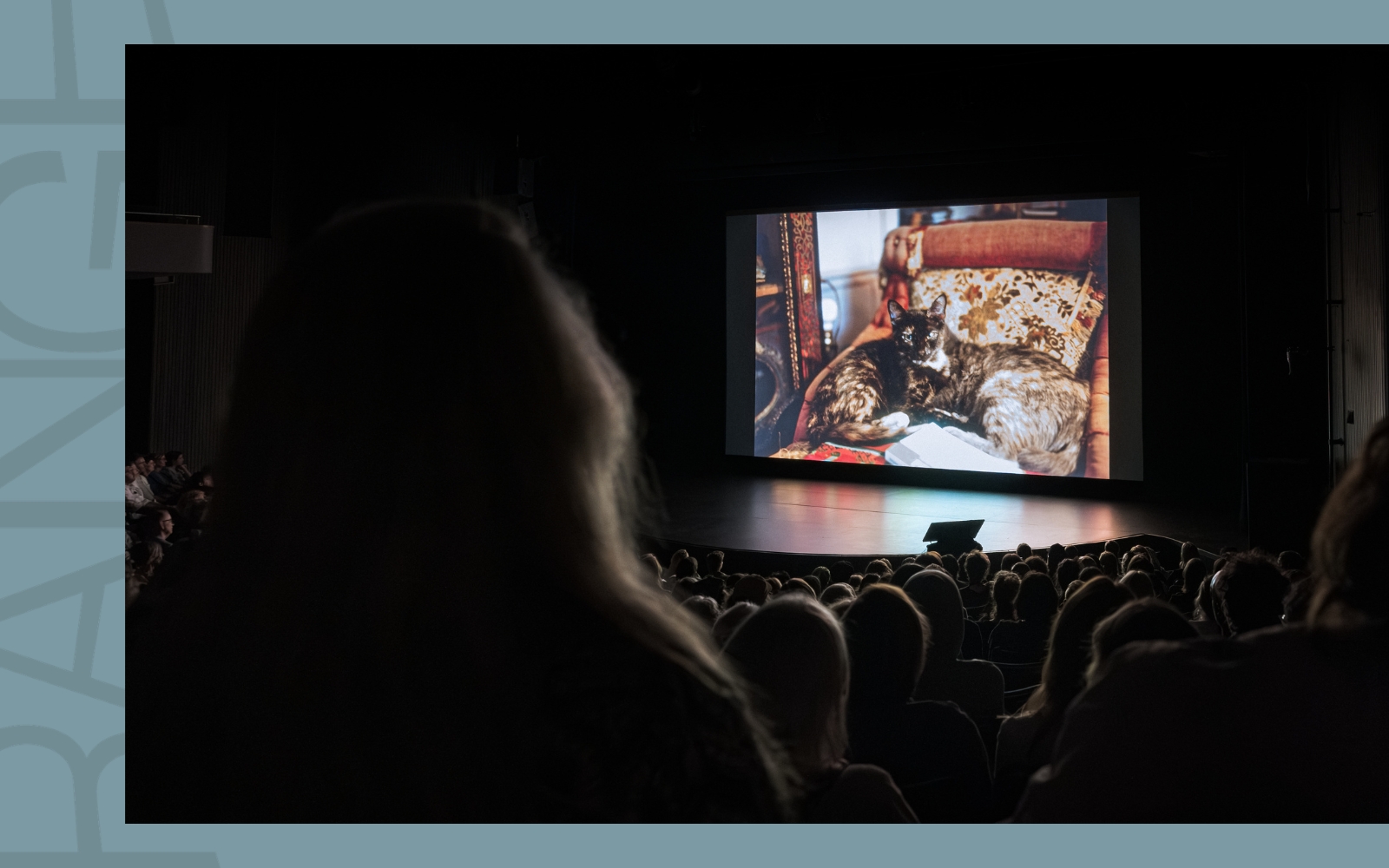
The conversation oscillated between reflections on her time in the now-romanticized bohemian milieu of 80s New York City, the inspiration behind the moving Stendhal Syndrome, and her advice to burgeoning artists and photographers looking to make it big. Goldin, transgressive and irreverent as always, pleaded that young people’s dependency upon safe spaces and trigger warnings to shield themselves from discomfort was bad for making good art. The assessment felt rather apt coming from an artist whose life and creative process were developed under circumstances anything but comfortable or safe. Hearing Goldin recounting her tales in the New York underground felt like hearing testimony from a lost world, a fairly tragic realization since most of the subjects of her photographs were lost prematurely due to AIDS.
Most shocking about the evening at the Playhouse, however, was the complete dodginess of the event moderator, VAG curator and interim co-director Eva Respini, to bring up the elephant in the room. While it was certainly fascinating to hear an artist of Goldin’s calibre speak about her creative process, her legacy, her latest exhibit, and the importance of being courageous as an artist, the silence surrounding the political question on everyone’s mind—Goldin’s thoughts about the cancelled acquisition—was deafening in the 700-seat auditorium. Although the night turned towards Goldin’s political activism, with a screening of her new work titled Gaza, and an ensuing conversation on the moral responsibility of artists to perform as “the prosecutors of society”, especially during times of crisis, the lack of specificity from Respini in her direction of the conversation felt intentionally vague and furtive. I was not in attendance to hear Goldin reiterate her thoughts previously shared in the award-winning documentary about her work and activism, All the Beauty and the Bloodshed, nor was I there to hear her speak disdainfully about social media or the threat of cancel culture on creative invention. These topics felt rather obvious and predictable in their replies.
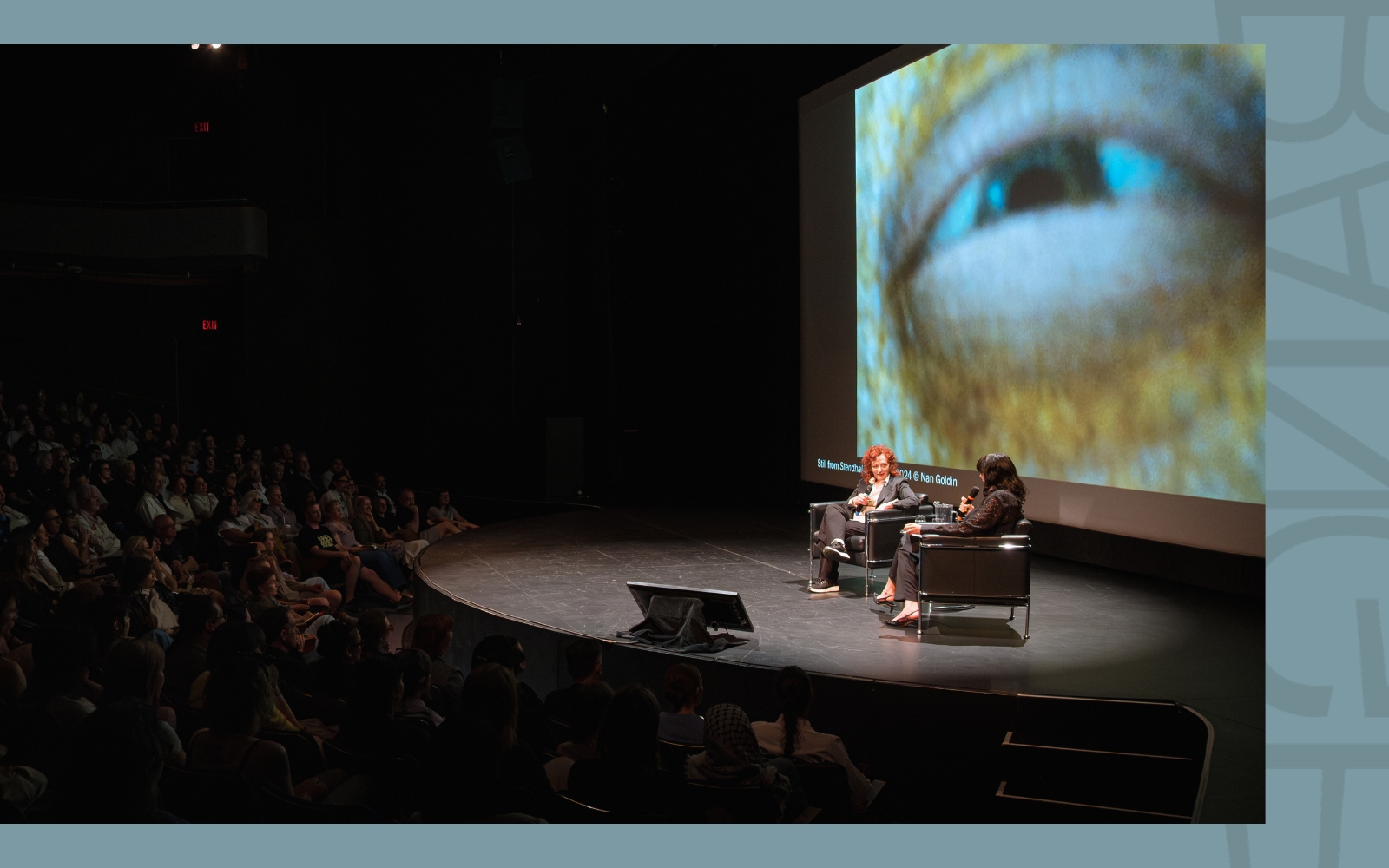
While I followed up the evening with shawarma, tea, and a debrief for the ages, I can safely say Goldin’s presence in Vancouver was both monumental for the city and unlikely to be repeated. Goldin, in all her infinite wisdom, deserved a better platform than the one provided for her to unleash her boldest and most daring proclamations about the state of the contemporary art world during a time of moral crisis, yet in many ways, the tepidity of the conversation was reflective of a specific affection for inoffensiveness in formal art institutions that Goldin stands against. Yet, by acquiring Stendhal Syndrome, and inviting Goldin to speak altogether, the VAG is inarguably playing a large role in preserving the liberty of political art, despite such a stance feeling like it should be customary. Overall, the evening encapsulated precisely what Goldin advocated for when asked about the responsibility of art institutions in the face of the Gaza war: “To show support to artists who need to take a position,[and] need to speak.” What the VAG maybe didn’t hear was that she followed up this sentence with the assertion that “every institution should be speaking themselves” as well. Kudos for trying, VAG. At the very least, you hosted the hottest event in town this week.
[ad_2]
Source link