
[ad_1]
Masterpieces of the world
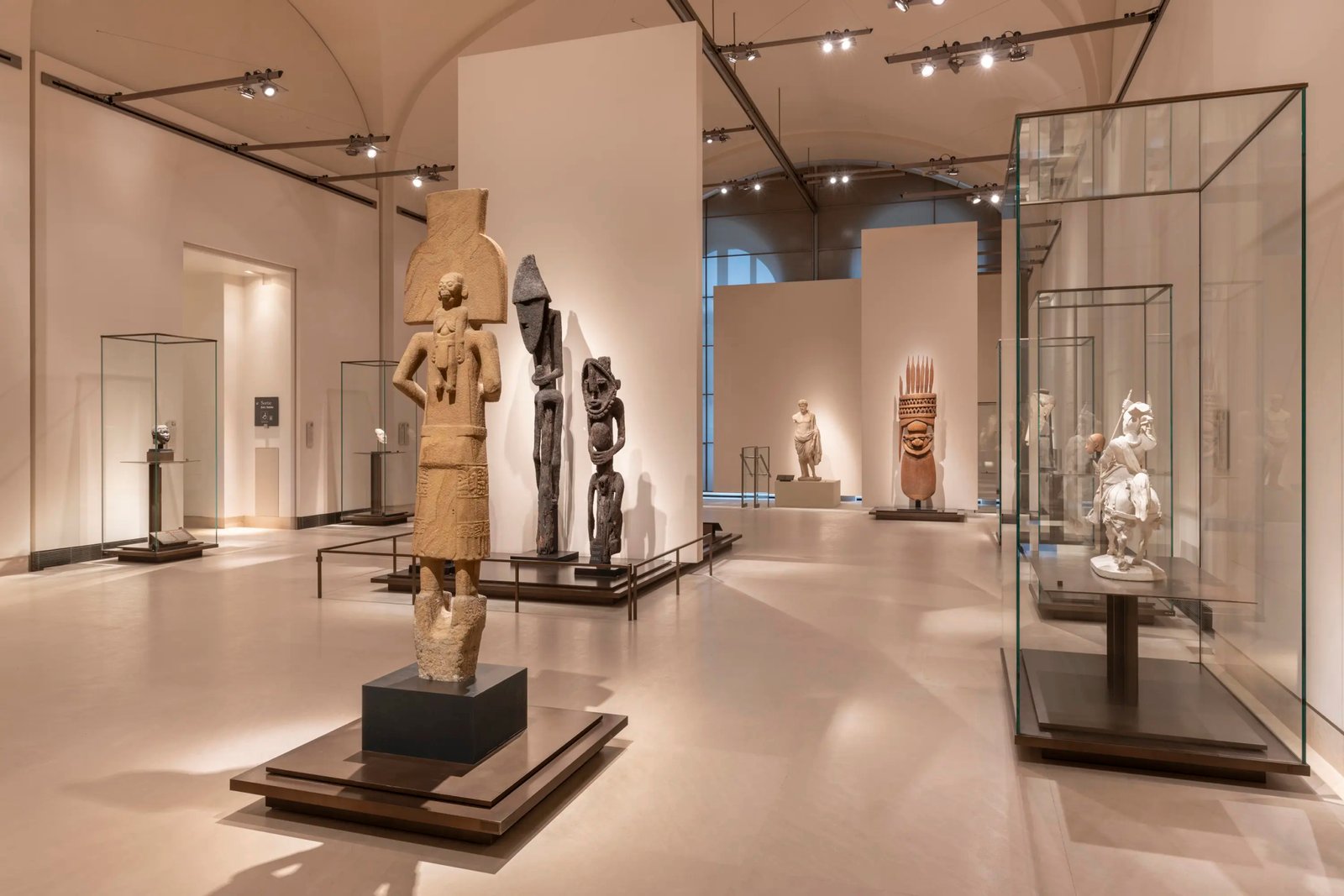
The Gallery of Five Continents is the result of the partnership between the Louvre and the Musée du Quai Branly-Jacques Chirac and offers a fresh approach to museography, aimed at fostering discourse between artworks, cultures and time periods. The selection of objects on display reflects the diversity of the French public museum collections. Brought together on an equal footing, works from the Louvre, the Musée du Quai Branly-Jacques Chirac, the Musée Guimet – French National Museum of Asian Arts, the French National Maritime Museum, the French National Library, the Museum of Aquitaine and the Museum of Boulogne-sur-Mer are rounded out by an exceptional loan from the Federal Republic of Nigeria. Together, these artworks present millennia of human creation.

Masterpieces are born free and equal
Hailing from five continents, these artworks have made their way to the Louvre by various means. Some pieces were always intended to be collected and displayed as artworks while others were initially used for a host of other purposes before arriving in a museum: privately owned or designed for public use, these objects served as devotional, ceremonial or ritualistic objects; as symbols of power, prestige or authority; or as architectural elements.
Their multifarious journeys reflect the long and complex history of how objects travelled to, and within, Europe. Museums do their best to recreate the paths these works have taken based on the sources available to them and current research.

Cultures in dialogue
The collection highlights connections between various works and the cultures and continents that they belong to, evoking themes fundamental to human existence: birth, death, belief, authority, prestige, fate, understanding the world, appeasing nature, and passing through worlds.
The Gallery of Five Continents explores the diversity of representations, functions and values associated with the objects on display, thereby highlighting the power attributed to them by different civilisations and societies throughout the course of history. As we explore the common threads, perspectives and similarities which tie these works together, a tapestry of global connections emerges.
[ad_2]
Source link