
[ad_1]
Artists today aren’t waiting for permission to start making their own paths. Many begin independently, releasing music from bedrooms, home studios, or anywhere they can record. Then, when the timing is right, they partner with labels — but on their own terms, with the freedom to control their careers.
In 2025, that approach is thriving. Spotify’s Loud & Clear report, released on March 11, 2026, showed that over a third of successful artists began as DIY creators, meaning they self-release their music through independent distributors. “Among artists that debuted in the last decade, more than half of total royalties generated were by artists who are DIY or began their careers as DIY.”
Some of today’s most globally recognized artists started small. Billie Eilish and her brother Finneas produced her debut EP and breakout hits in their tiny Los Angeles home studio, long before Spotify became a platform for her millions of listeners — today, she has 88 million monthly fans. Claire Cottrill, known as Clairo, first gained attention with her lo-fi single “Pretty Girl” in 2017, recorded in her bedroom, and now reaches 17.2 million monthly listeners. Marie Ulven, aka girl in red, crafted her intimate bedroom-pop songs entirely at home, and now has 14.8 million monthly listeners.
Meanwhile, for those who start on the app, the report also revealed that more than 90 percent of DIY royalties went to artists who had been releasing music since before 2024, emphasizing that long-term vision is key. Most DIY artists continue releasing music consistently, proving that persistence, passion, and connection with fans matter more than one-off viral hits. “DIY isn’t just a permanent category of the music economy. It’s often the first step toward long-term success,” the report adds.
Global sounds, limitless reach
Today’s biggest hits speak more languages than ever. In 2025, the Global Top 50 featured songs in 16 different languages — more than double the number in 2020. It’s a moment that the streaming platform giant describes as “powerful, because fans are choosing what to stream based on what they love, not where it’s from.”
Genres once considered niche are now shaping the global soundscape. Brazilian Funk surged by 36 percent, K-Pop grew 31 percent, Trap Latino 29 percent, Urban Latino 27 percent, and Reggaeton 24 percent. “Artists creating in Portuguese, Korean, Spanish and more — often outside traditional industry hubs — are building massive global audiences,” the report noted.
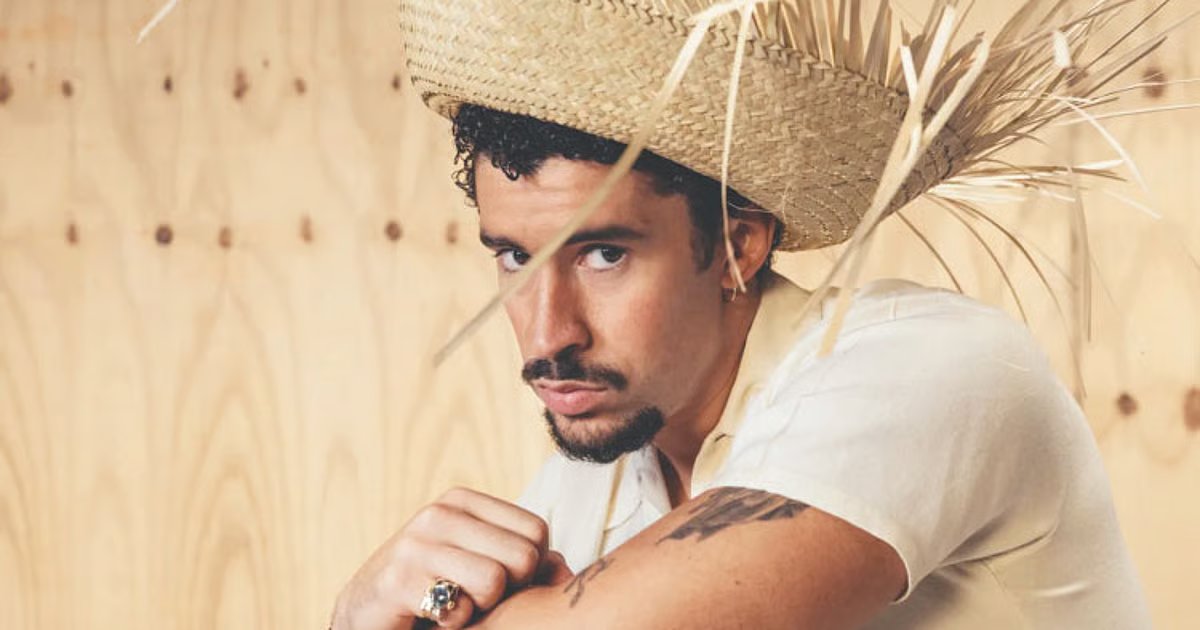
The first artist that comes to mind is Bad Bunny, who has proven that you don’t need to sing in English to captivate the world. The Puerto Rican superstar was named Spotify’s most-streamed artist globally in 2025, amassing nearly 20 billion streams, and has claimed the title multiple times since first topping the charts in 2020. His Spanish-language albums, including “Debí Tirar Más Fotos,” have dominated global listening, showing that music in any language can inspire millions to dance, sing along, and even watch him perform on massive stages like the Super Bowl, where he captivated audiences worldwide.
The diversity is transformative. Music isn’t confined to Los Angeles, London, or New York anymore. Listeners are discovering artists from every corner of the world, reflecting a curiosity and openness that is reshaping the charts.
New era of music
The year 2025 demonstrates a music world where independence and global reach coexist. DIY artists are no longer a niche, and genres from every corner of the globe are crossing borders, while listeners follow their passions rather than geography.
If you’re a musician thinking of starting a career, the numbers speak for themselves: go self-released, be fearless — anyone can turn a dream into a global movement. For fans, it’s a reminder that music is limitless. As the report sums it up, “More artists, at more levels, are finding real and sustained success through streaming.” S
[ad_2]
Source link