

[ad_1]
Held from May 21 to 24, this year’s edition brings together over 110 galleries from 18 countries and proposes a more balanced and resilient collecting ecosystem.

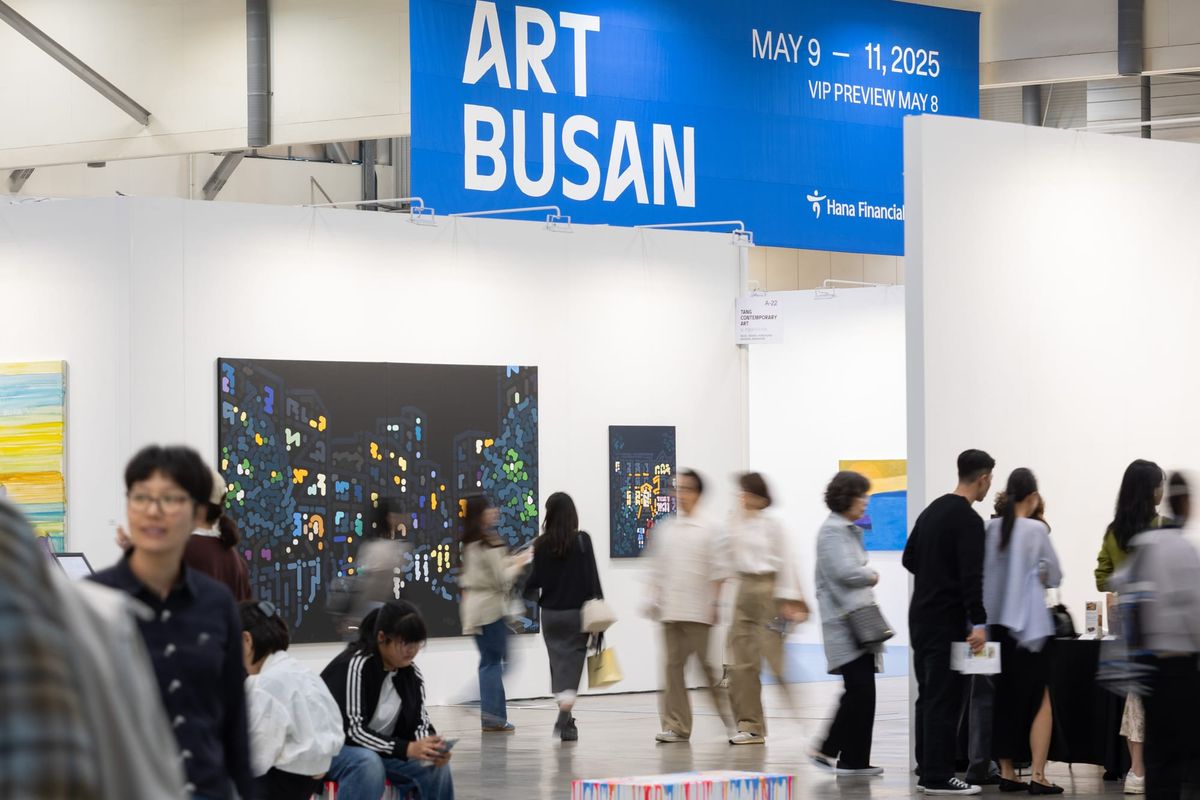
As the global art market shifts from rapid expansion toward consolidation, ART BUSAN 2026 positions itself as a fair focused not only on visibility and high-value sales, but on building a more sustainable collecting ecosystem. Celebrating its 15th anniversary, the fair proposes a new market model for Korea — one rooted in long-term engagement, cross-disciplinary collecting, and structural stability rather than speculative momentum.
Held at BEXCO from May 21 to 24, ART BUSAN 2026 brings together over 110 galleries from 18 countries. The fair’s most notable development lies in its restructuring of the traditional fair format through newly integrated segments such as DEFINE and LIGHTHAUS.
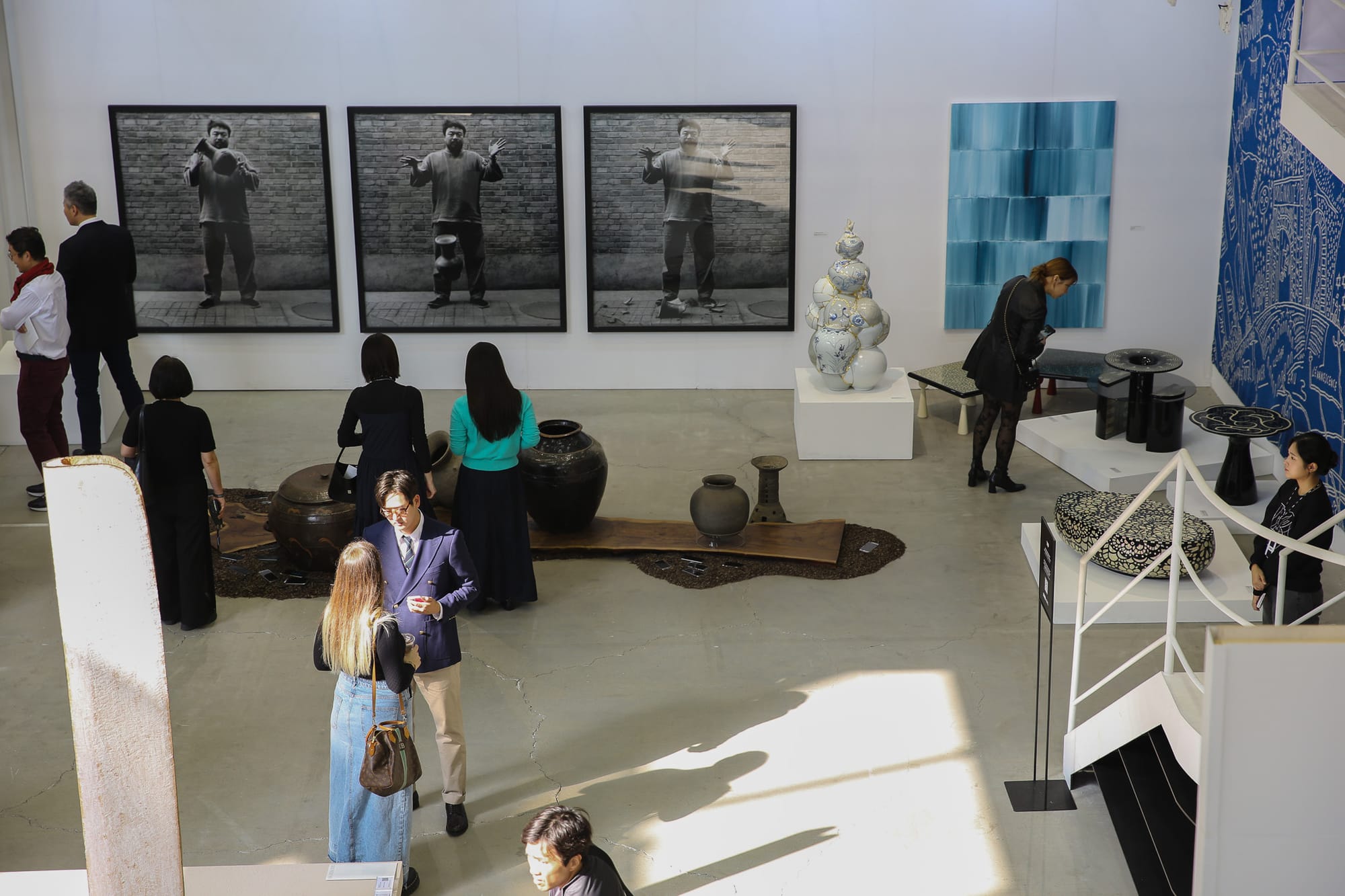
DEFINE expands the boundaries between contemporary art and collectible design by introducing furniture, craft, and functional objects into the fair environment. Participating projects include Karimoku, Fritz Hansen, Galerie Philia, and Kengo Kuma’s solo presentations.
Rather than classifying design as a secondary category, DEFINE positions it as a cornerstone of contemporary collecting culture. This approach reflects shifting collector behavior, particularly among younger audiences who increasingly seek works connected to architecture, interiors, and daily life.
Contrary to the speculative nature of blue-chip works, collectible design and craft permeate domestic and public spaces where they are experienced and lived with over time. By cultivating this middle-price segment, ART BUSAN fosters more diversified and practical acquisition patterns while broadening the collector base.
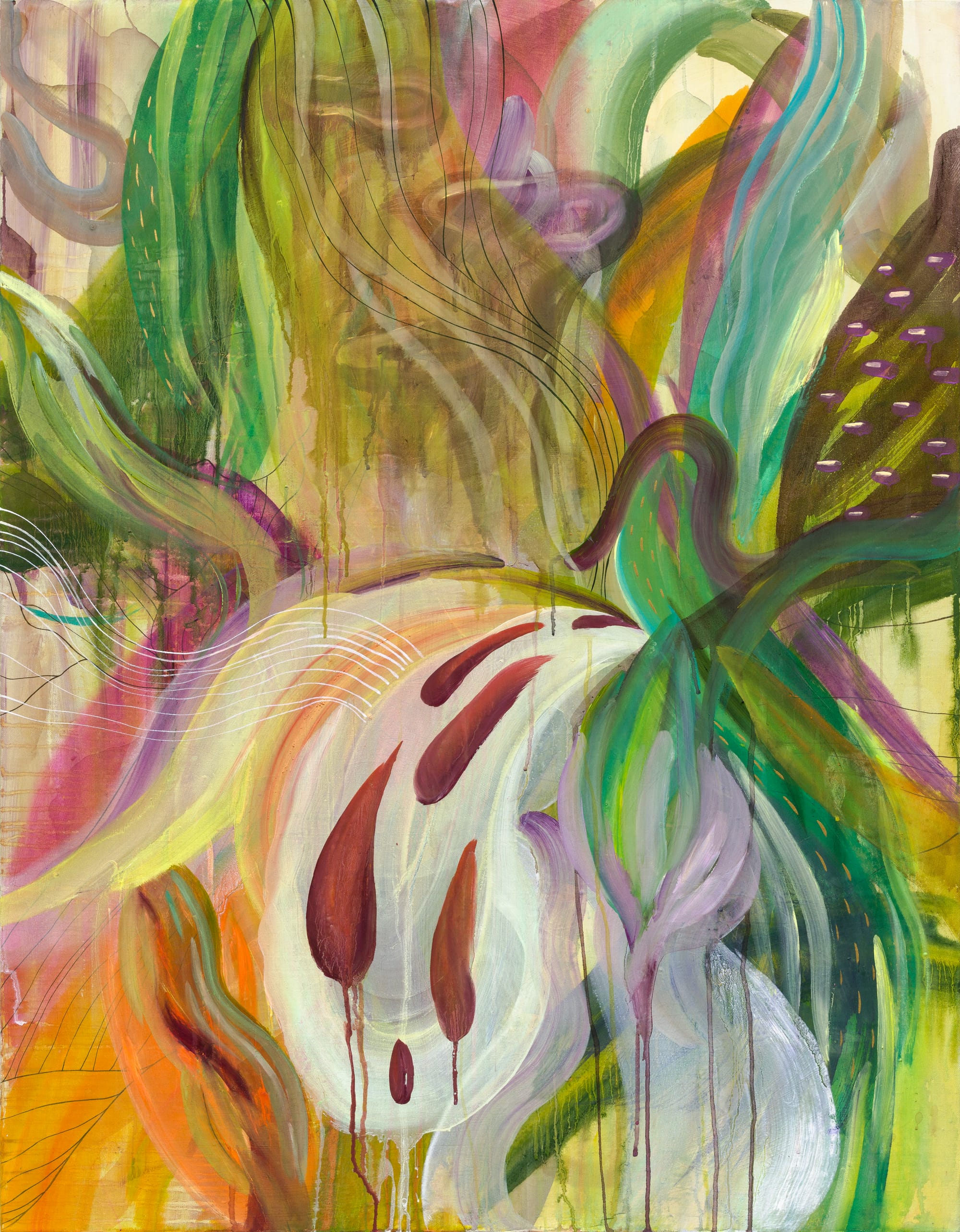
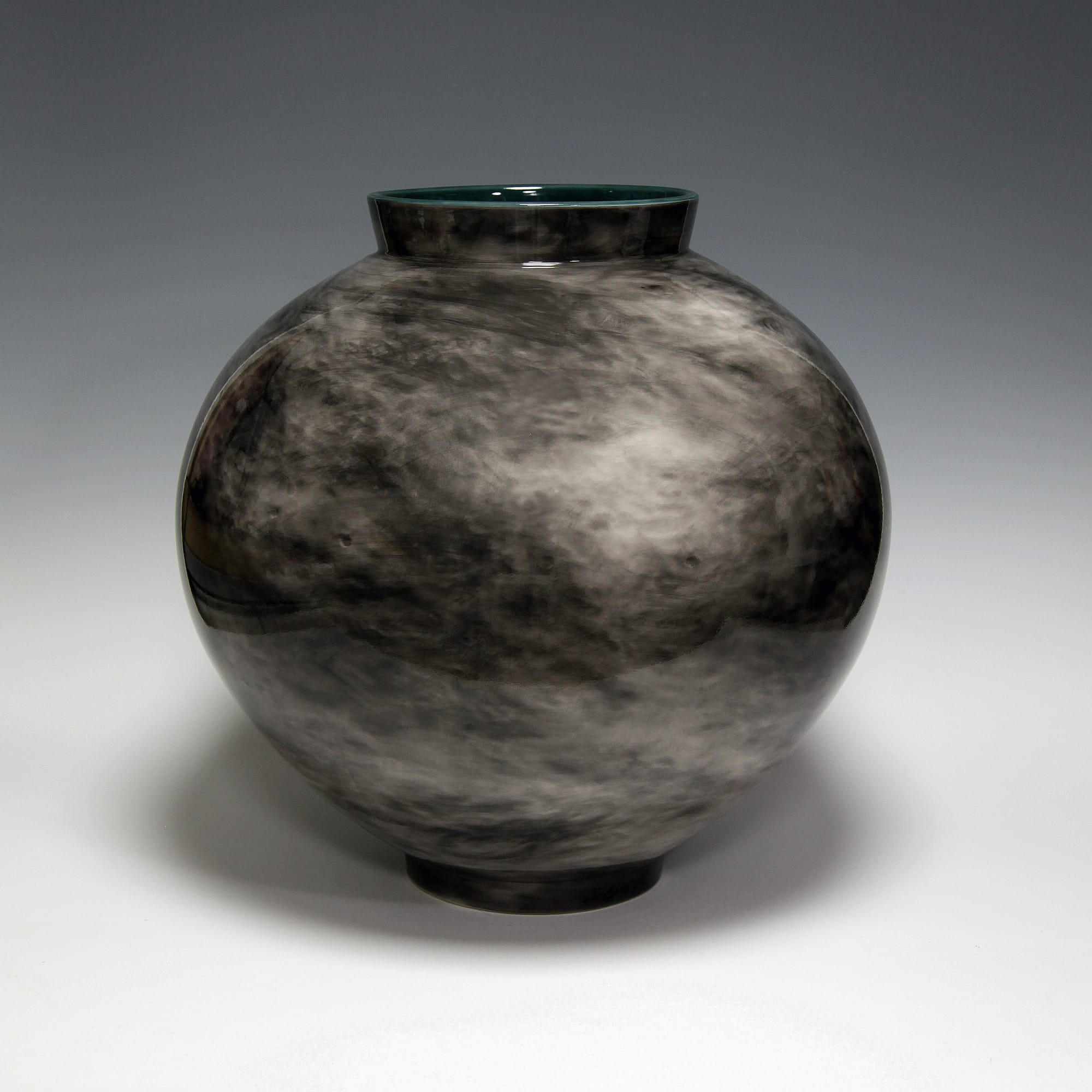
Left: Yunyoung Jeong, “Midnight Bloom” (2025), oil, water color, gouache, acrylic, pigment powder on silk layered canvas, 116.8 × 91 cm (courtesy Cheyul); Right: Sekyun Ju, “Tracing Drawing 2022-1” (2022), pencil on ceramic, composite material coating, 48 × 48 × 47 cm (courtesy Clayarch Gimhae Museum)
LIGHTHAUS further reinforces this shift by transforming the gallery booth into a curated spatial experience. Through its “booth-in-booth” structure, the section evaluates curatorial vision with exhibition design, moving beyond purely transactional display formats. Participating galleries include Whitestone Gallery, PS CENTER, and OKNP × Ginza Tsutaya Books.
Within this framework, presentations such as Kukje Gallery’s solo booth featuring Julian Opie, Leeahn Gallery’s ‘collector house’ format, and Wooson Gallery’s presentation of Yukimasa Ida collectively situate Korean practices within a broader global dialogue. These projects transcend sales-driven presentations and foreground how collecting today intersects with spatial design, lifestyle narratives, and cross-cultural exchange.
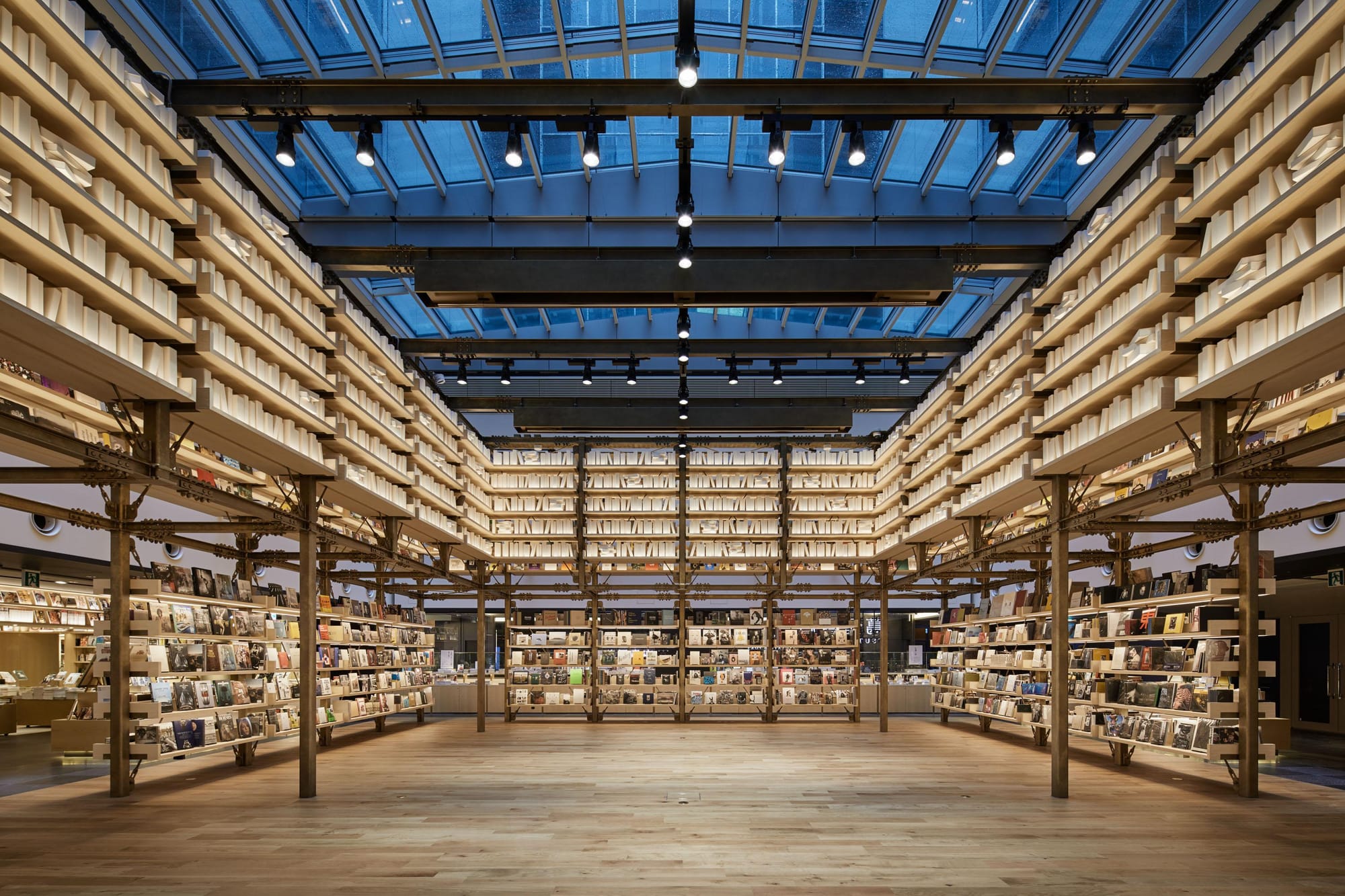
LIGHTHAUS decelerates the viewing experience and encourages collectors to engage with works through atmosphere, narrative, and spatial context. This creates conditions for deeper understanding and more sustainable collecting decisions, countering the short-term logic often associated with speculative art markets.
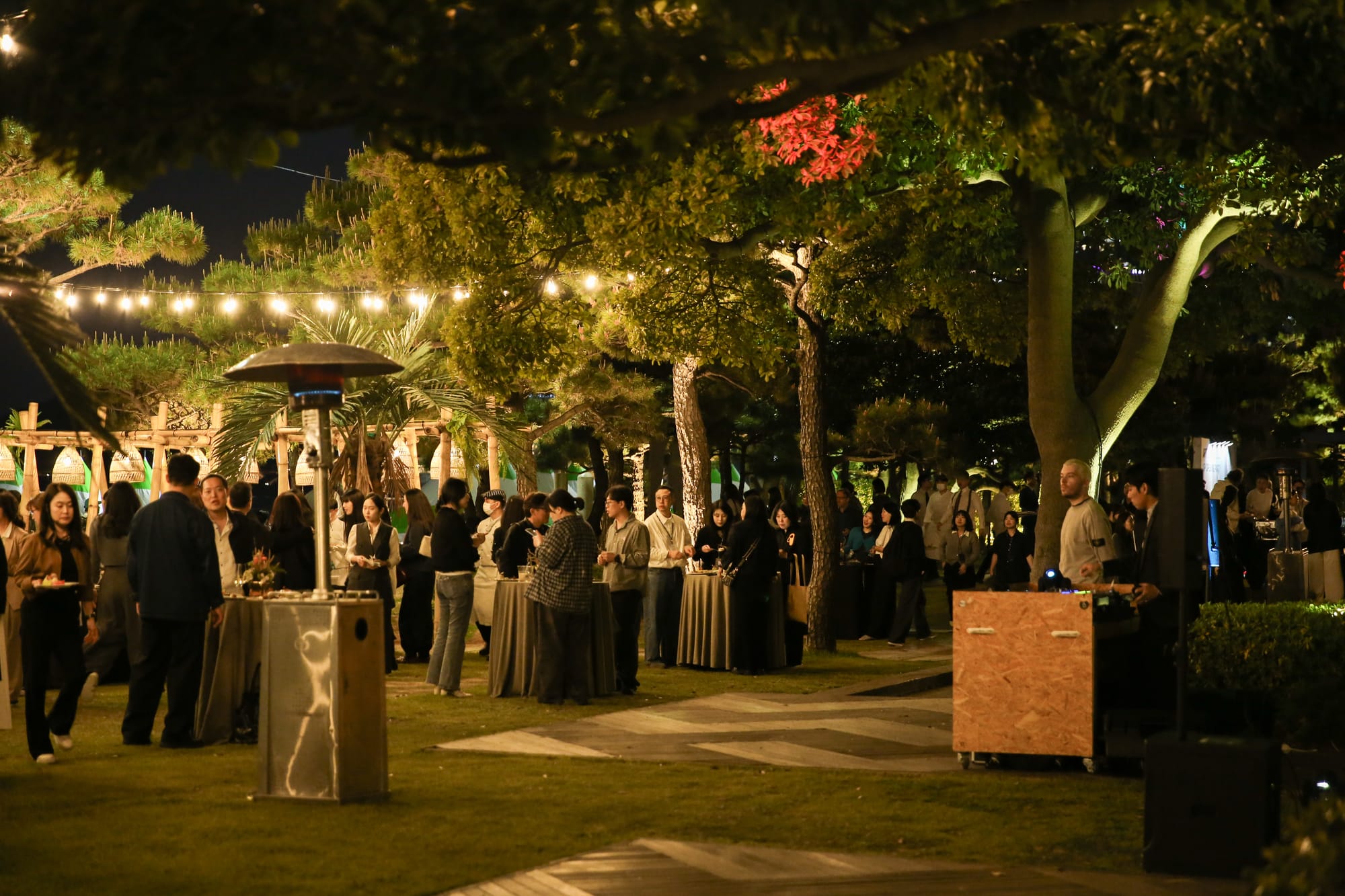
Together, DEFINE and LIGHTHAUS demonstrate how ART BUSAN is repositioning itself beyond a commercial art fair, emerging as a platform that connects art, design, architecture, and everyday cultural life. By encouraging long-term engagement over rapid consumption, the fair proposes a more balanced and resilient structure for Korea’s evolving art market — one where value is shaped through continuity, usability, and cultural relevance.
To learn more, visit artbusan.com.
[ad_2]
Source link