
[ad_1]
Korea Herald correspondent
VENICE, Italy — The Venice Biennale is packed with major exhibitions drawing art professionals from around the world. Coinciding with the world’s most prestigious art biennale, The Korea Herald recommends three must-visit museum shows in Venice.
While walking remains the best way to experience the city, exhausted visitors can also hop on the vaporetto — Venice’s public water bus — which conveniently stops near each museum.
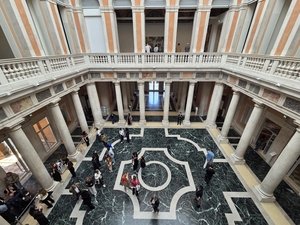
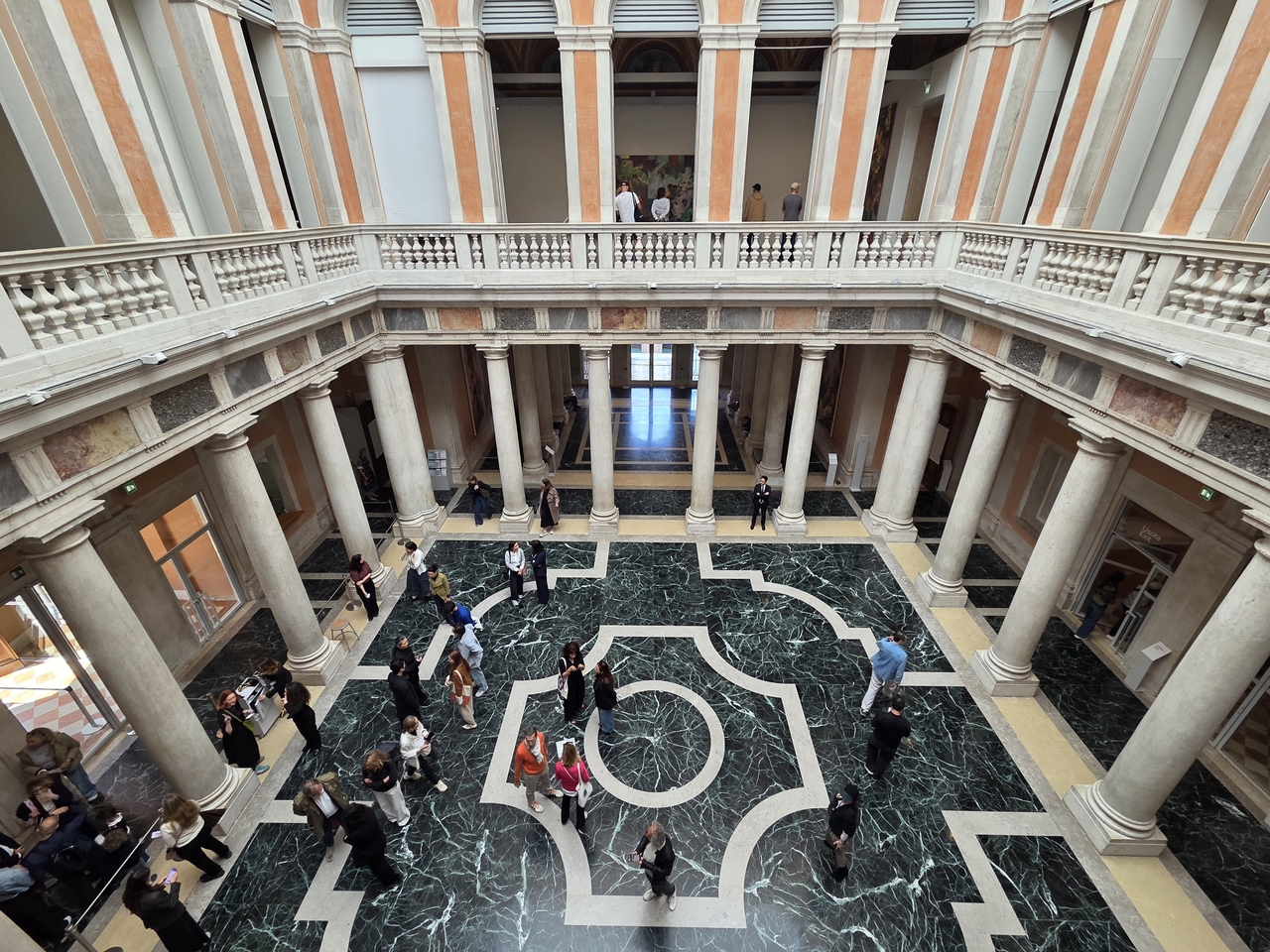
Located along the Grand Canal, Palazzo Grassi is home to the Pinault Collection, one of the world’s leading private contemporary art collections assembled by French businessman Francois Pinault.
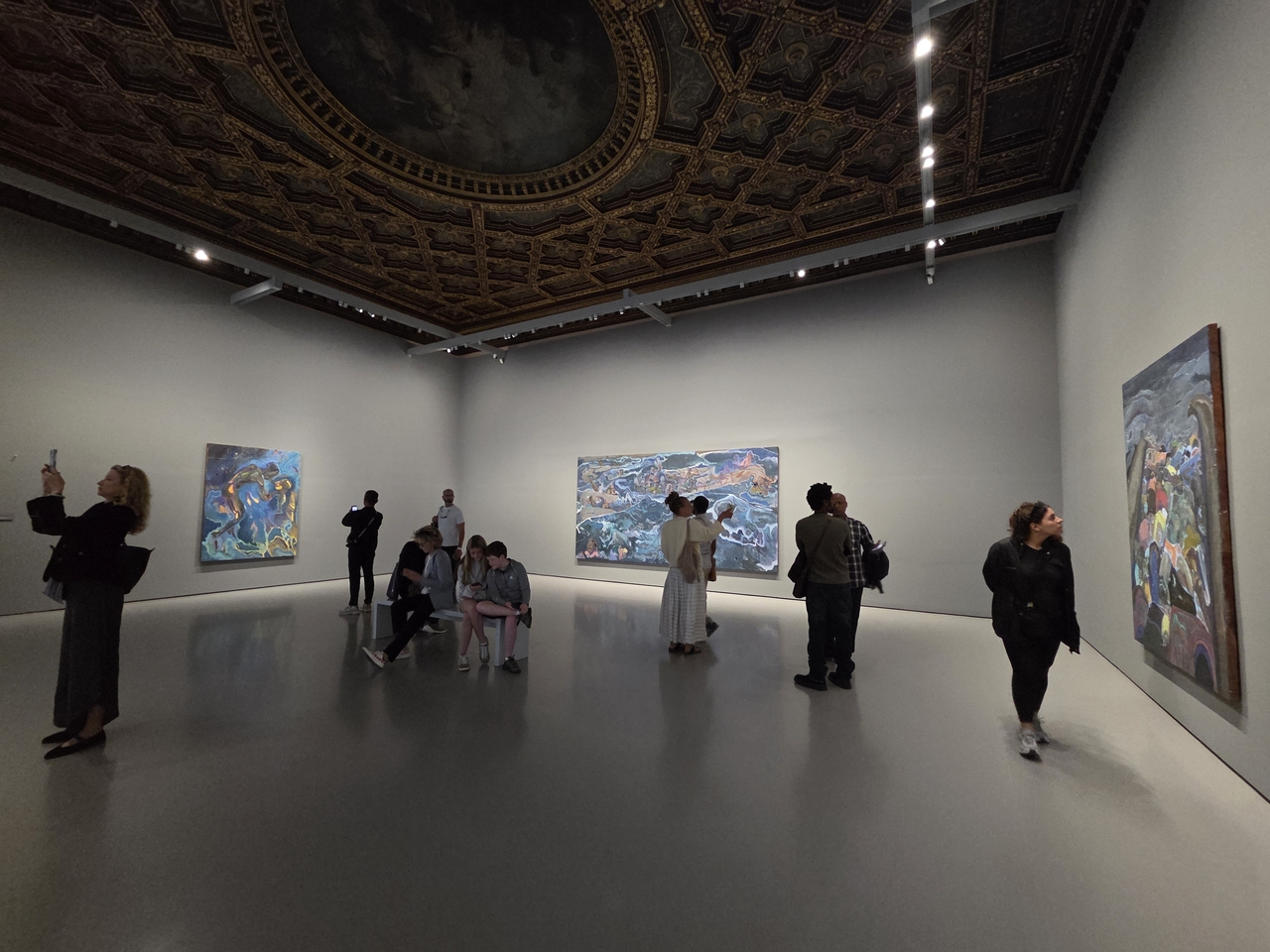
The museum is currently presenting a major exhibition by Michael Armitage, the Kenya-born British painter who has emerged as one of the most distinctive voices in contemporary painting. Born in 1984, Armitage moves between reality and dreamlike imagery while addressing sociopolitical tensions, violence, seductive ideologies and the global migration crisis.
Through vivid colors and expressive brushwork, his paintings confront difficult contemporary realities without sacrificing aesthetic beauty, making the exhibition especially resonant at a time marked by war and global conflict.
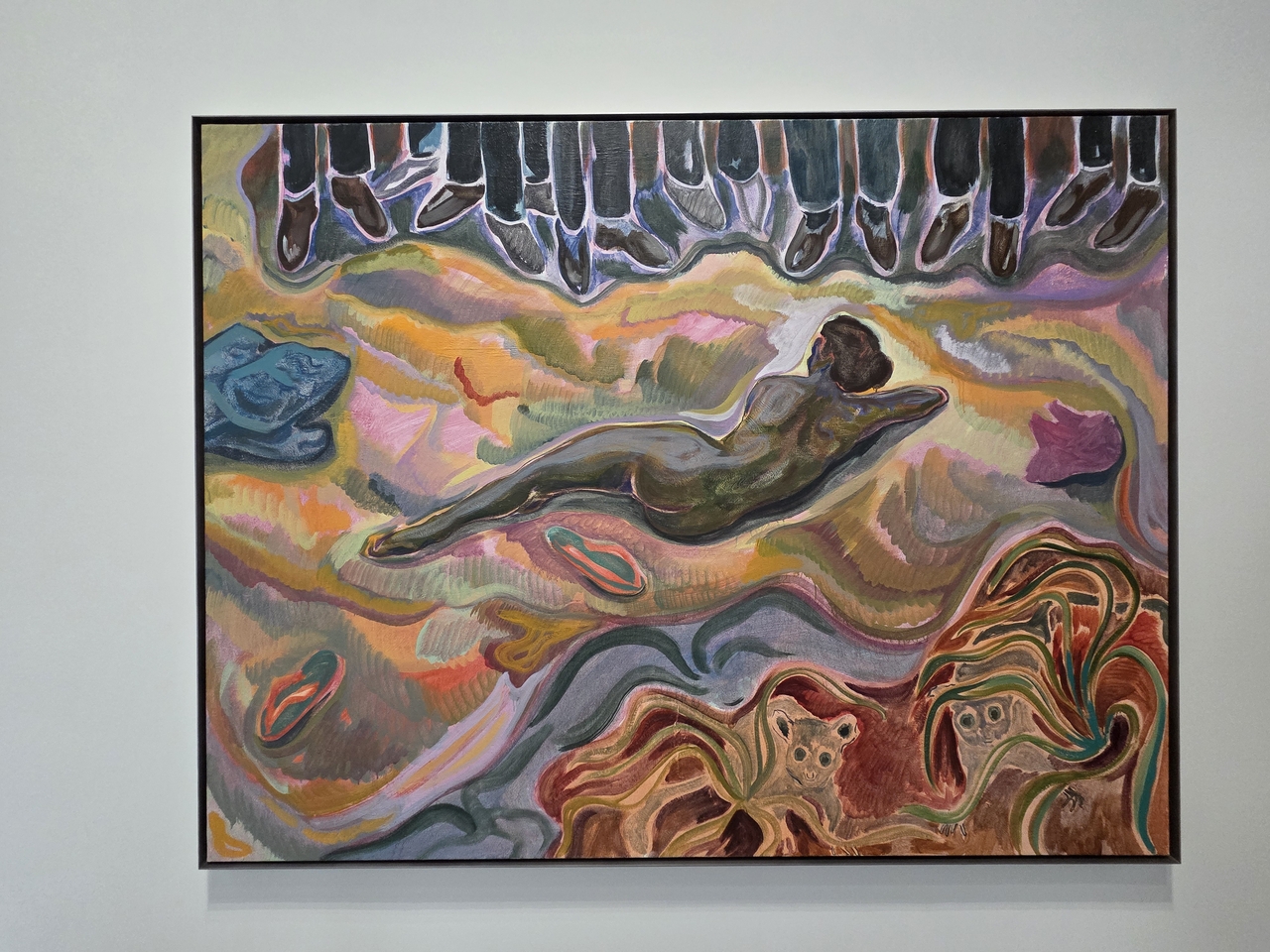
One work, “#mydressmychoice,” draws from video footage that went viral on X of a young woman attacked by a mob for wearing a miniskirt, leading to her stripping and molestation by a crowd. The naked woman is depicted in a pose reminiscent of “Rokeby Venus” by Diego Velasquez.
A short walk from Palazzo Grassi is Gallerie dell’Accademia, Venice’s most prominent museum for Venetian painting, housing masterpieces by Leonardo da Vinci, Titian, Tintoretto and Giovanni Bellini.
Alongside these classical works, the museum is presenting during the biennale “Transforming Energy” by Marina Abramovic, the Serbian artist who pioneered body art. Marking Abramovic’s 80th birthday, the exhibition creates a dialogue between the artist’s groundbreaking performance practice and the Renaissance masterpieces that shaped Venice’s cultural identity.
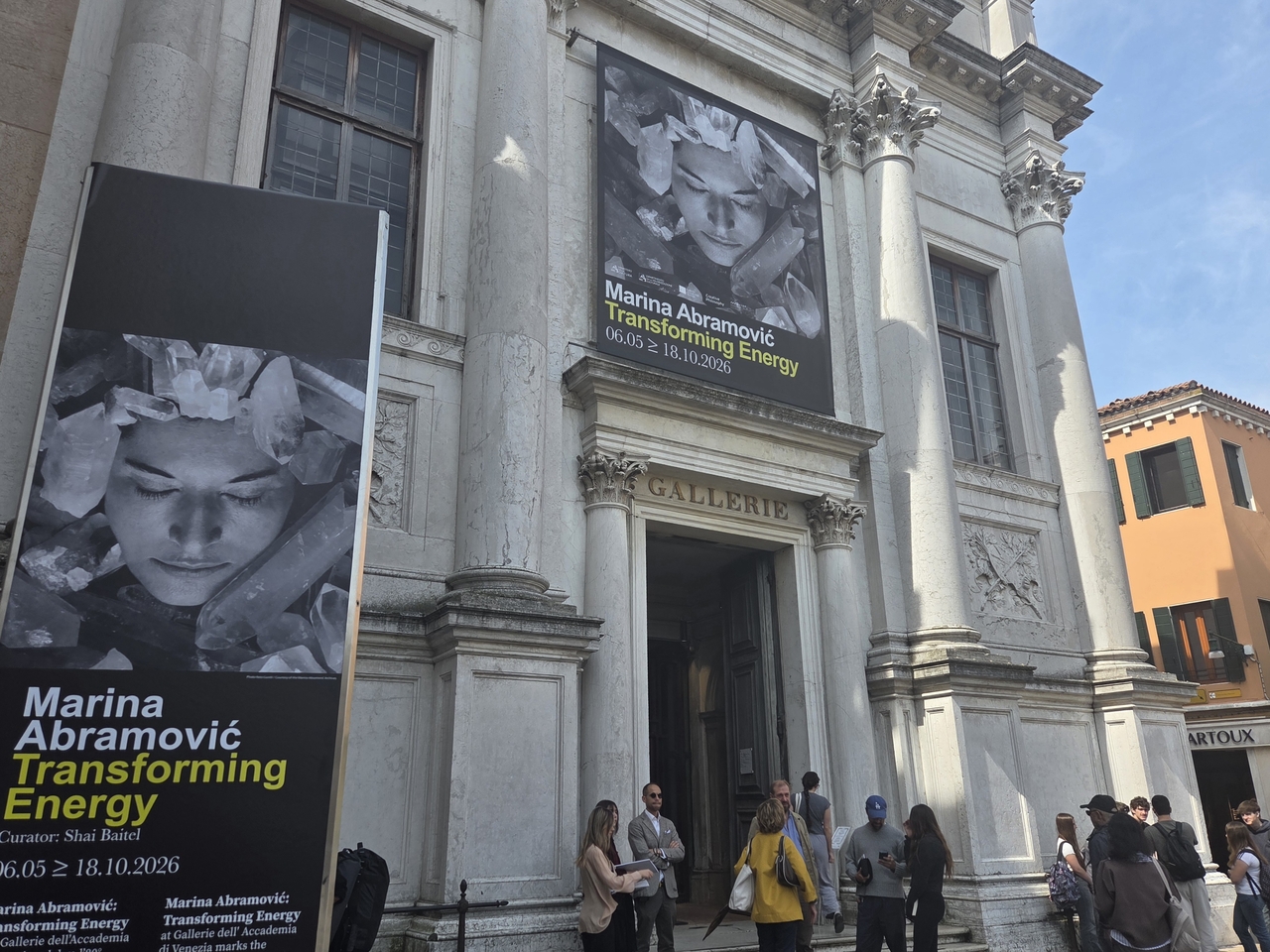
At the heart of the show is an exploration of the relationship between the physical and spiritual, past and present. Visitors are invited to engage with crystal-embedded stone structures that Abramovic describes as facilitating an exchange of energy.
Visitors wear noise-blocking headsets throughout the exhibition, where photography is prohibited.
At the entrance is “Balkan Baroque,” the work that won Abramovic the Golden Lion for Best Artist at the 1997 Venice Biennale, making her the first woman to receive the award.
Though Abramovic is not performing the work herself, the installation re-creates the piece in which she spent four days scrubbing bloody cow bones in a dark basement — a haunting reflection on the Yugoslav Wars and the trauma of violence.
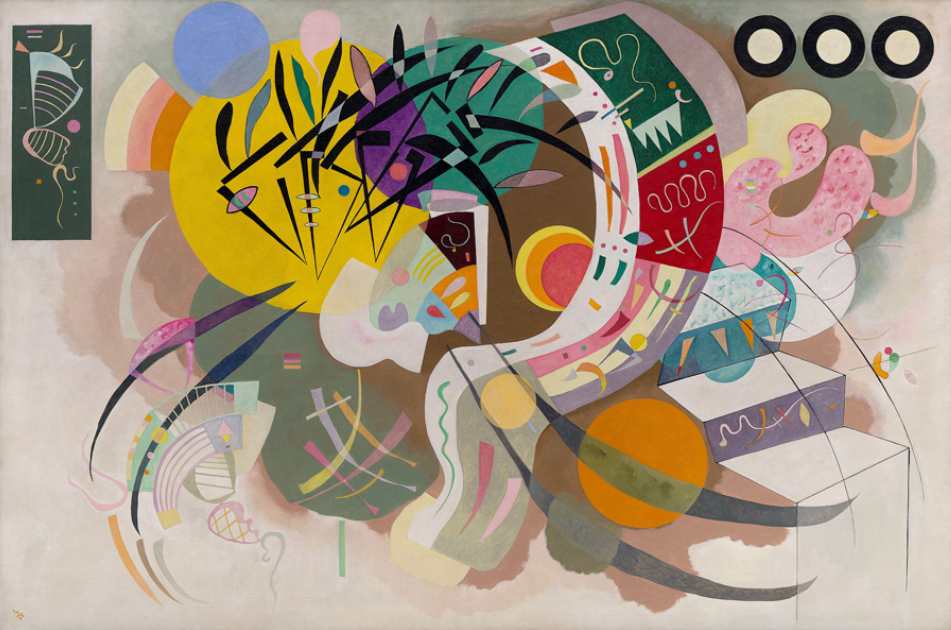
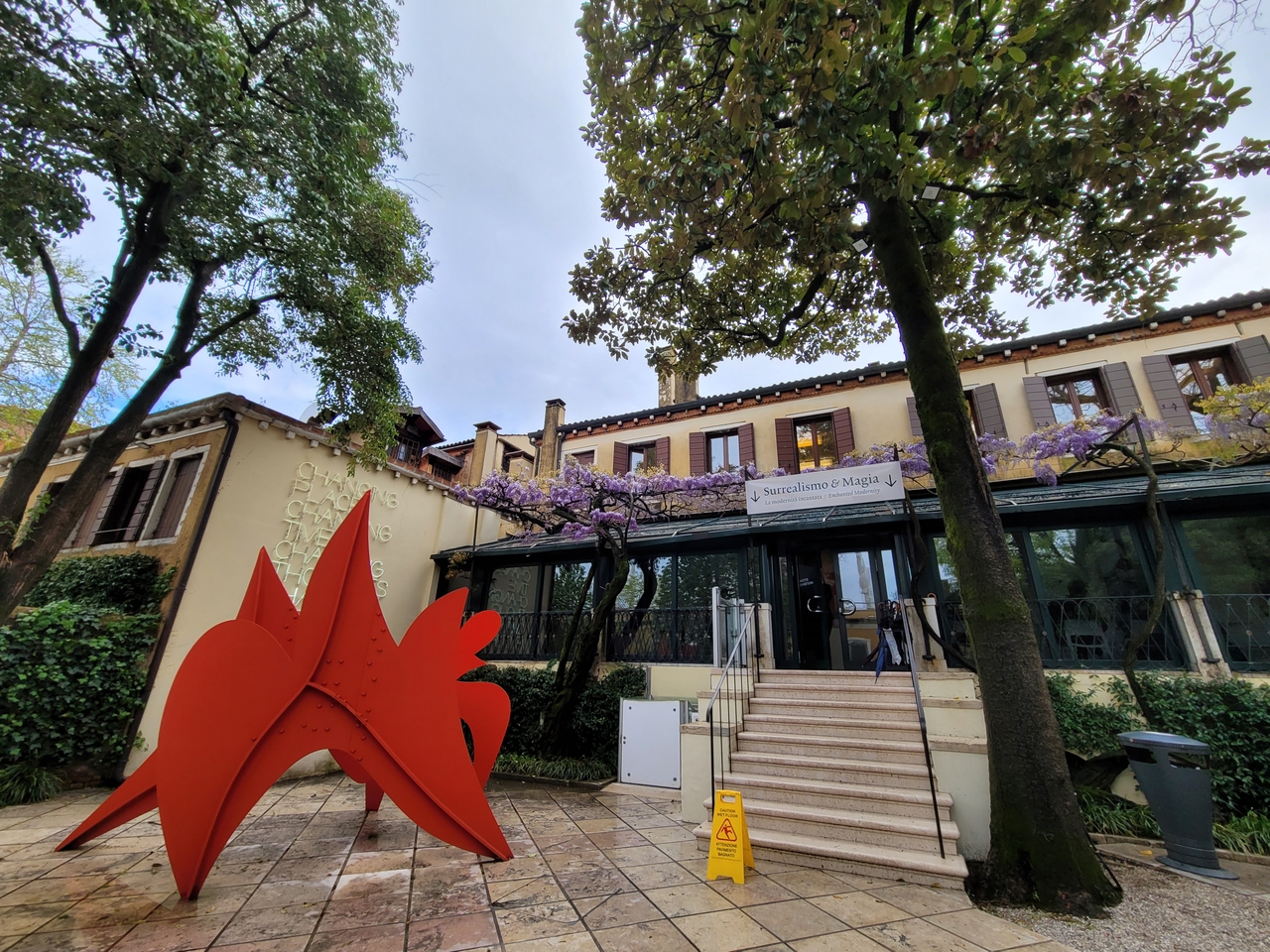
The final stop is the Peggy Guggenheim Collection, where the renowned American collector Peggy Guggenheim’s personal collection remains on view.
The museum itself once served as Guggenheim’s home for three decades before becoming a museum dedicated to her 20th-century art collection.
The exhibition “Peggy Guggenheim in London: The Making of a Collector” revisits her formative years in London and her short-lived gallery Guggenheim Jeune. It operated between 1938 and 1939 as a key platform for avant-garde movements, including abstraction and Surrealism.
After exploring the three exhibitions, visitors can unwind at the museum’s outdoor cafe overlooking the sculpture garden and installations from the collection.
The 2026 Venice Biennale runs through Nov. 22 with the theme of “In Minor Keys.”

yunapark@heraldcorp.com
[ad_2]
Source link