
[ad_1]
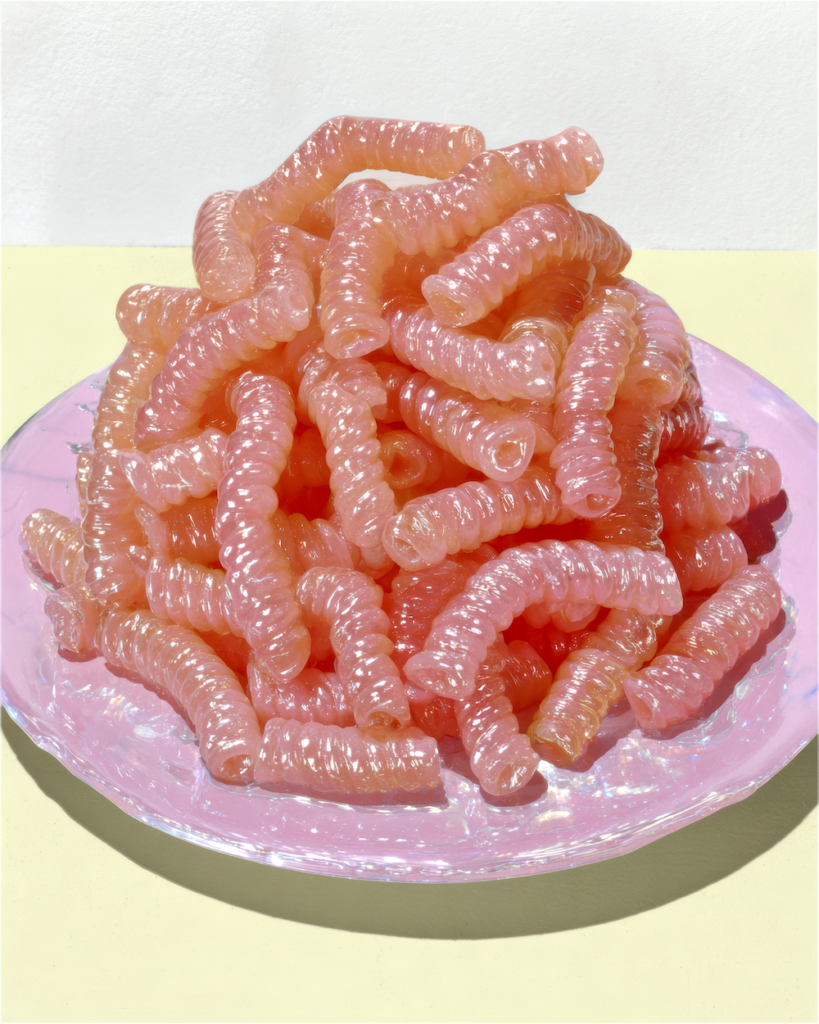
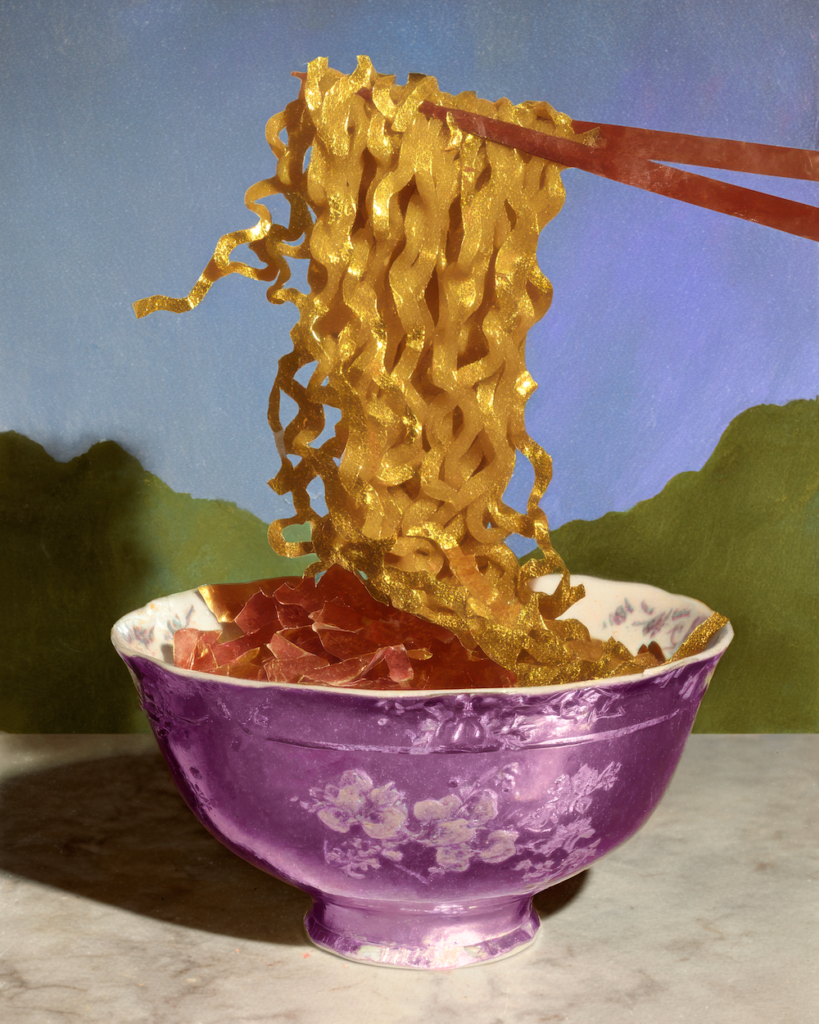
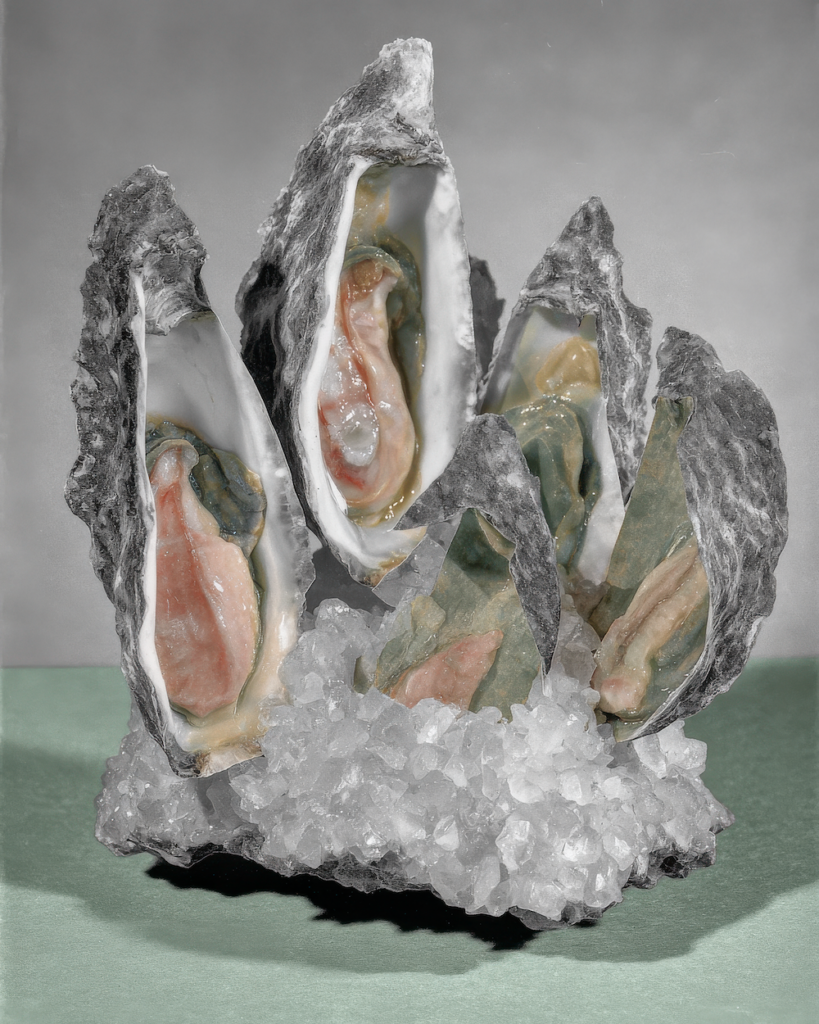
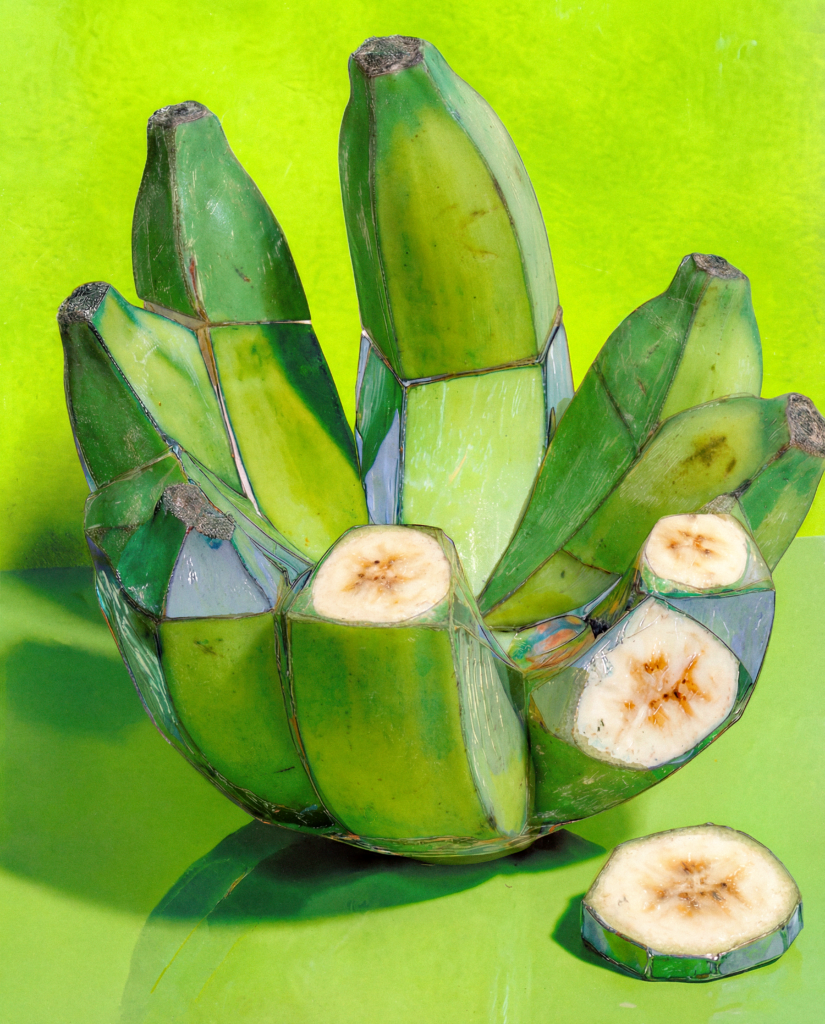
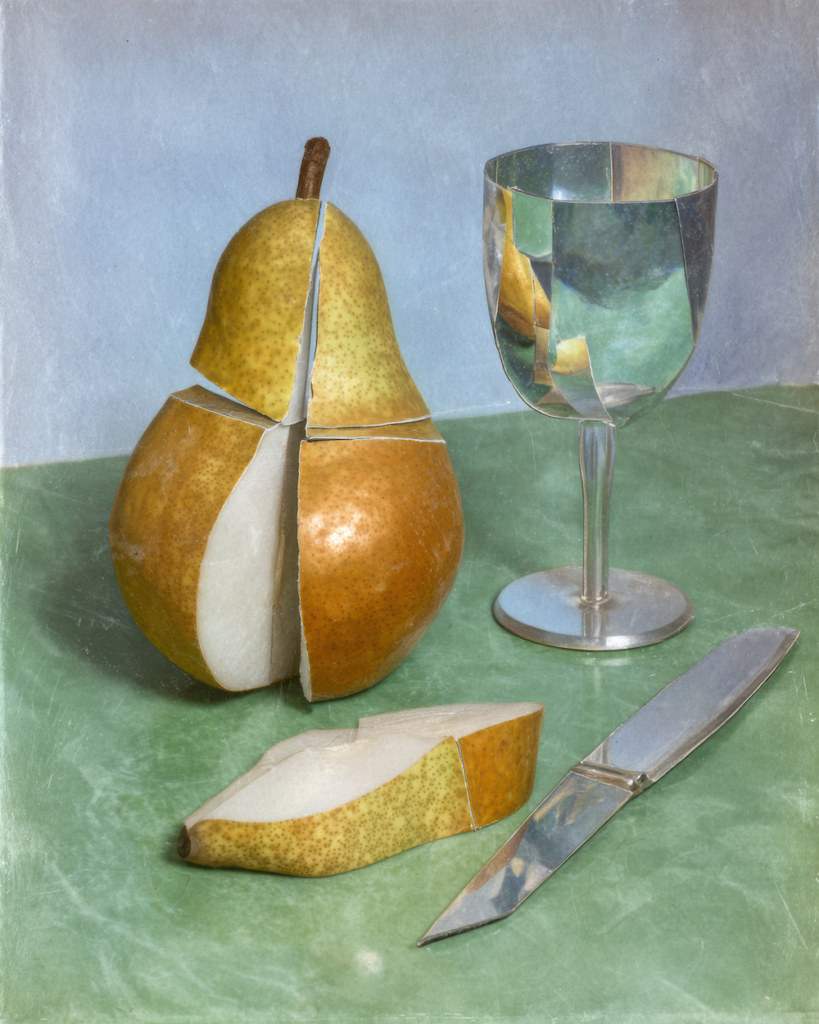
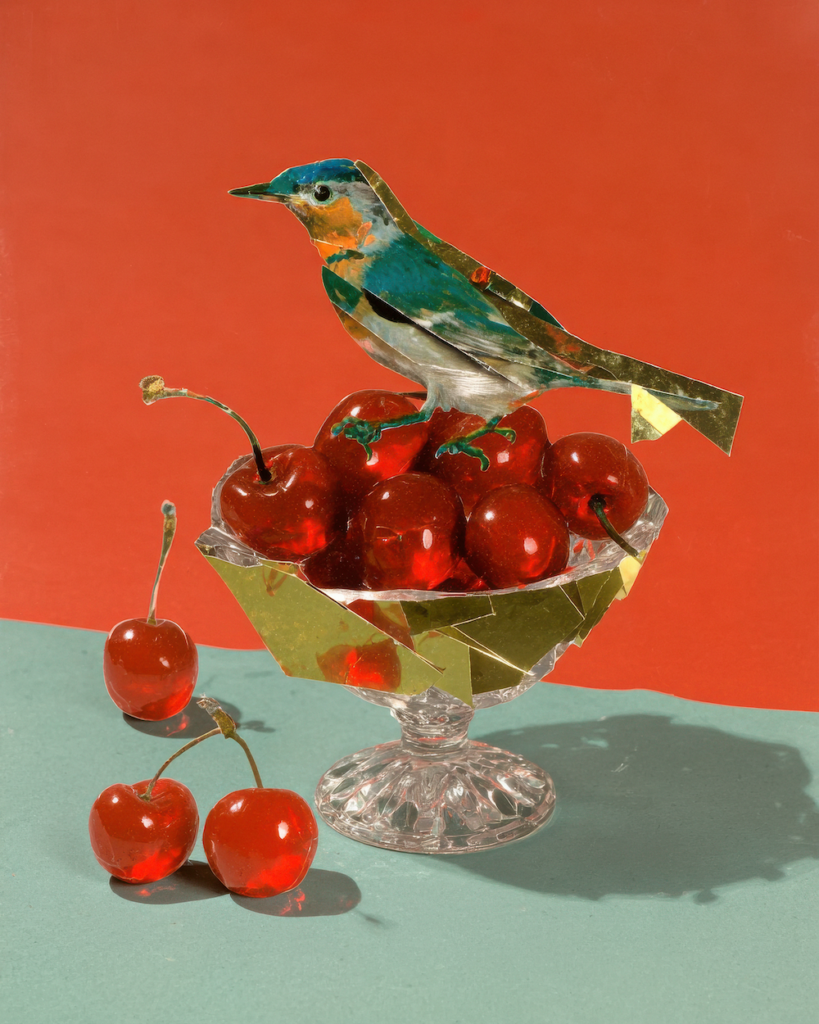
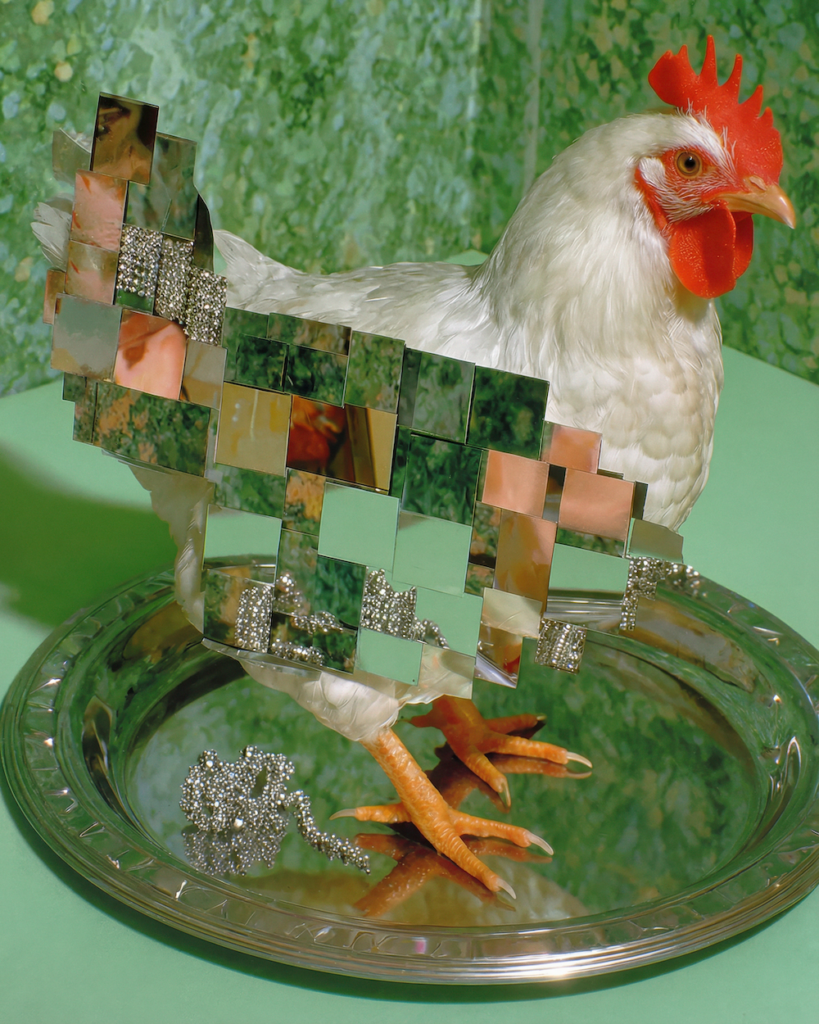
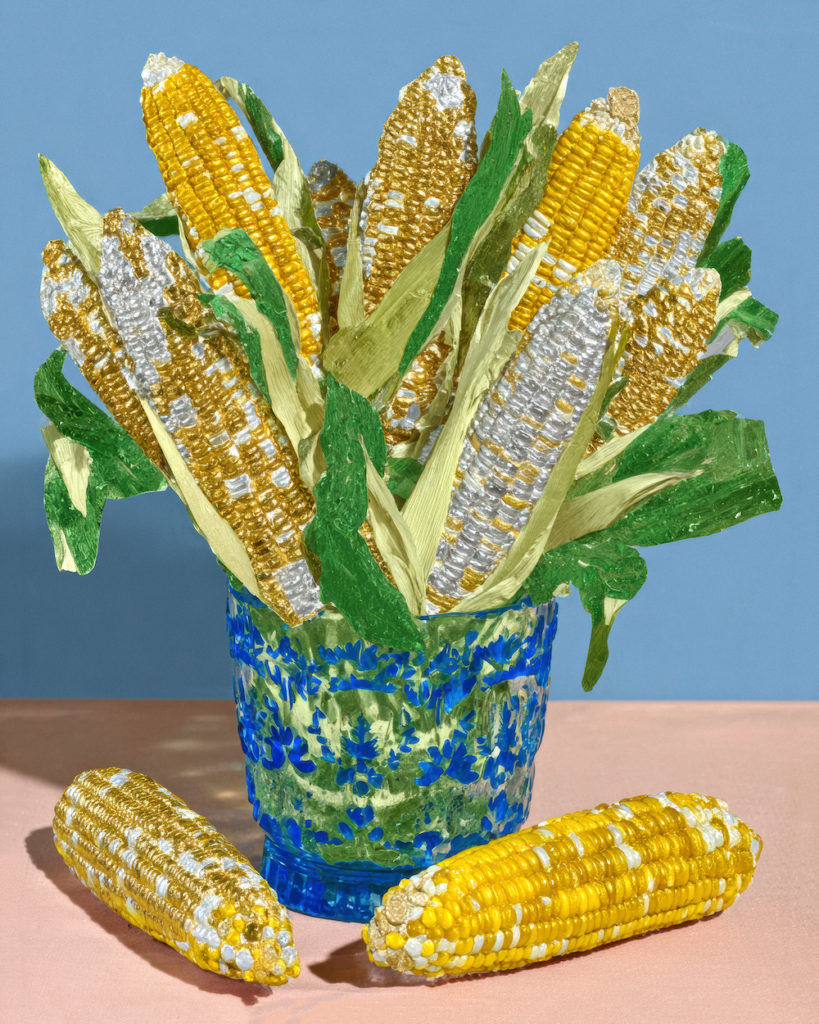
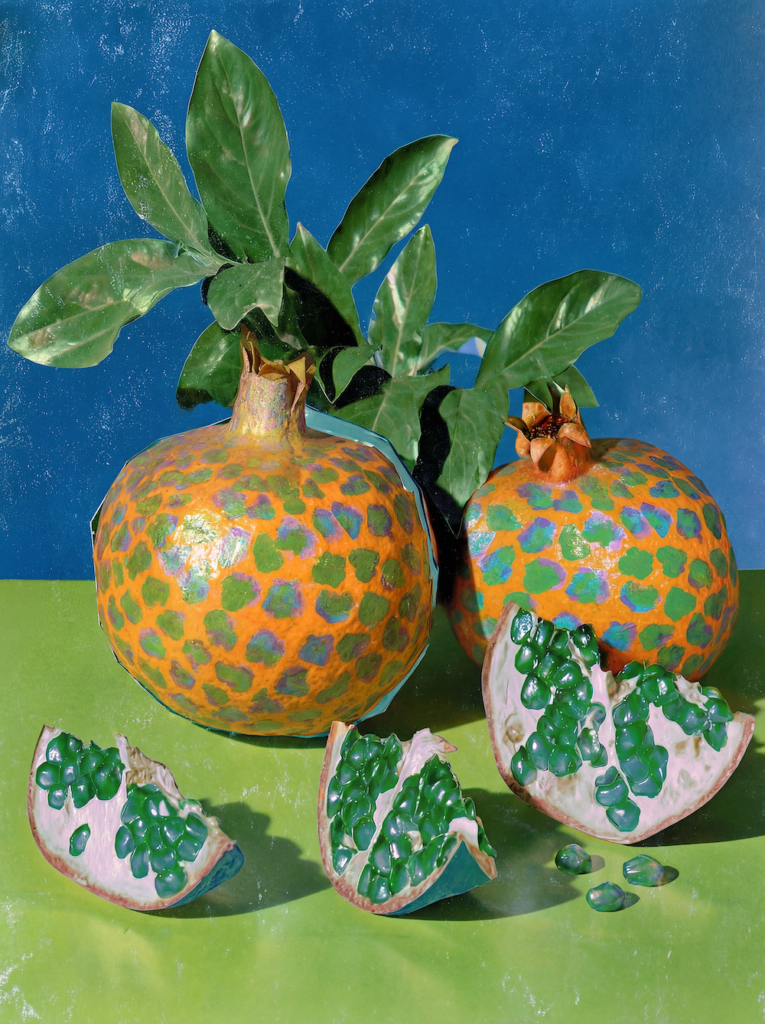
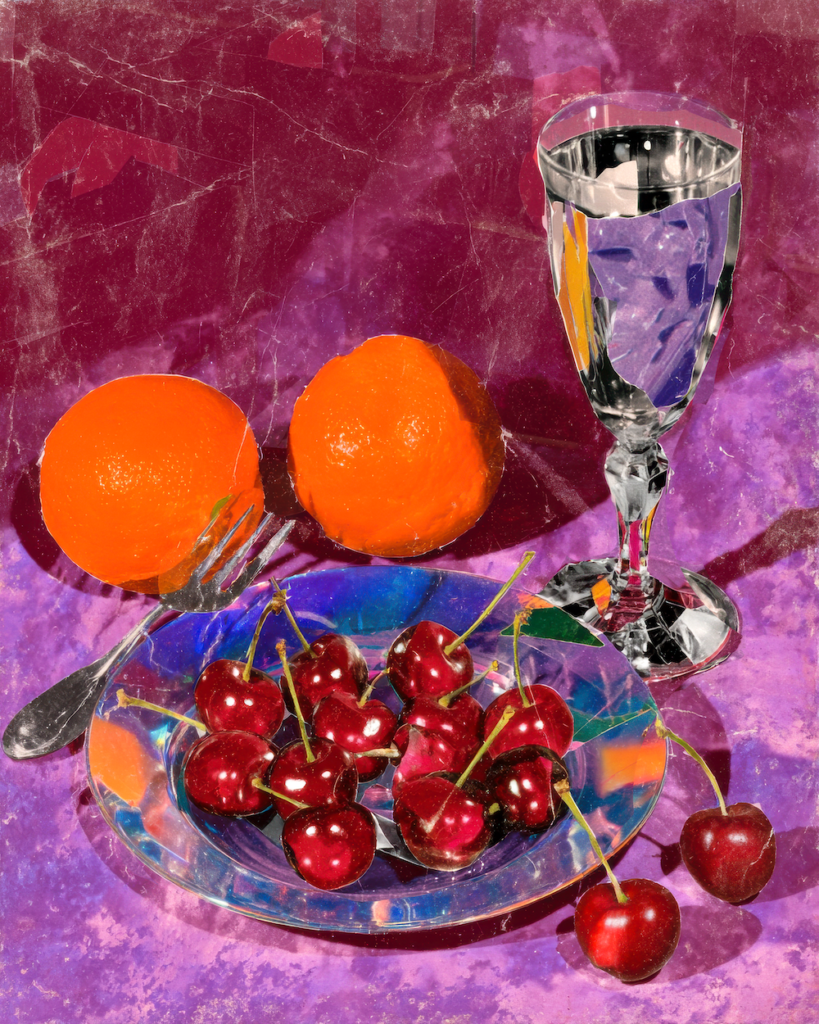
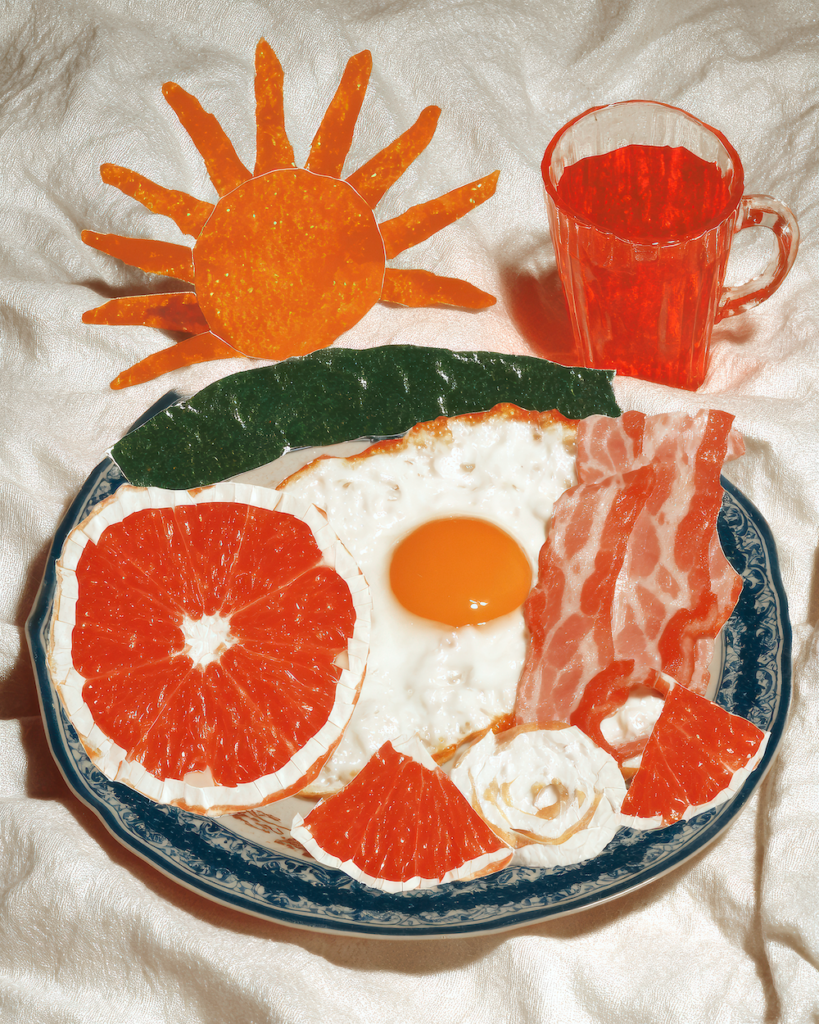
What remains of photography when an image no longer comes from a shutter click, but from a process that weaves together memory, painting, cinema, visual culture, and artificial intelligence? This is the question at the heart of Anna Condo‘s practice – an artist of Armenian origins whose project À la carte transforms food into a visual and psychological device: glossy surfaces, perfect textures, saturated colours, and seductive compositions build images capable of triggering desire and appetite, while remaining irredeemably artificial.
Drawing on references ranging from Jean Siméon Chardin to Édouard Manet, from Luchino Visconti to Buster Keaton, Anna Condo stages the tension between the everyday and chaos – one of the central elements of her practice.
In this conversation we spoke with her about desire, imperfection, food memory, AI, and the role of photography in an era when images can now simulate anything.
In your work, the process seems less tied to the “shutter click” and more to a progressive construction of the image, involving photography, digital practices, and AI. What initial intuition gave rise to a series like À la carte, and how does it develop in practice? How do research, digital construction, and generation interweave? And in a potentially infinite system like AI, how do you decide when an image is truly finished?
“À la carte” grew out of the still life – above all Chardin, old cookbooks, and childhood memories of the French and Armenian food we made at home, the everyday rituals.
I generate many images from a main subject through text prompts. From there, the layering begins. I make digital collages and often paint using Photoshop. I like combining multiple AI generators at the same time, so that the aesthetic is guided by me rather than the machine. Just as in painting or cinema, the process could go on forever – but it’s the image itself that tells me when to stop.
In À la carte, the images work because they simulate the “codes of desire” with extreme precision – gloss, texture, colour, composition – to the point where the brain reads them as “food” and triggers an almost physical response: hunger, appetite, attraction. At the same time, this desire remains inevitably unsatisfied: it is not real food, but a construction that exists only on a visual level. How do you work with this tension between attraction and frustration, between desire and the impossibility of consumption?
Good art should always be delicious. Goya, Rothko, O’Keeffe – each of them is delicious in their own way. Not so much for the subject matter, but for the hunger they manage to recreate.
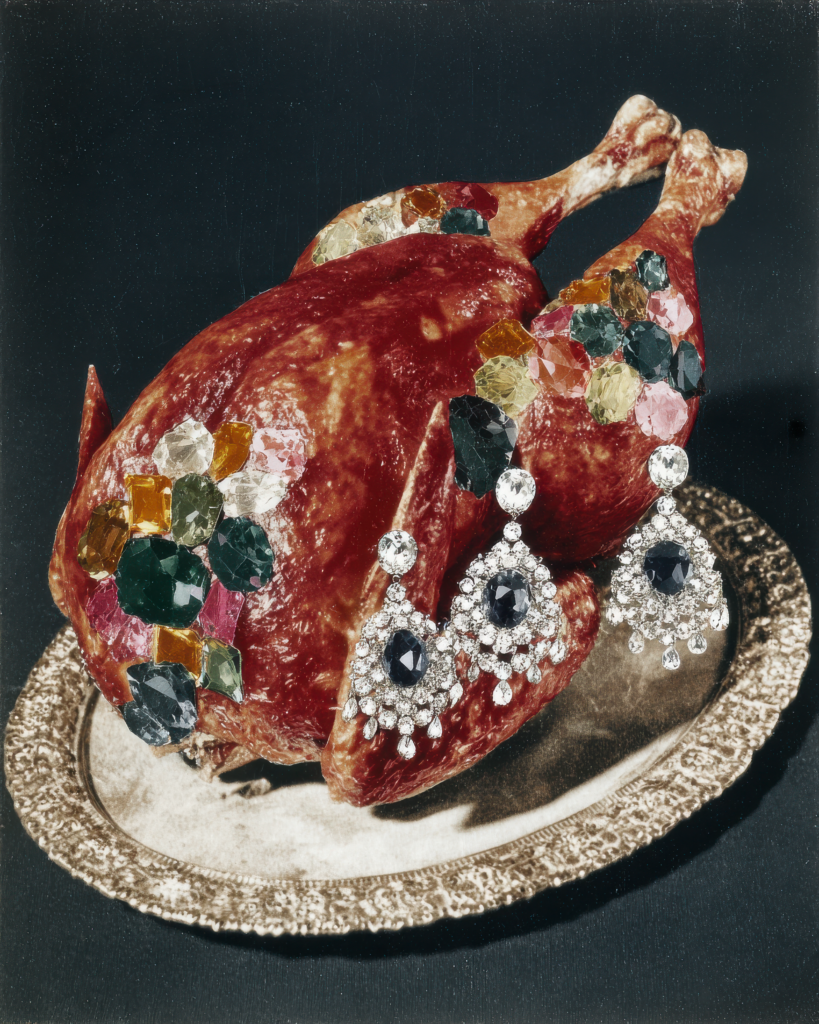
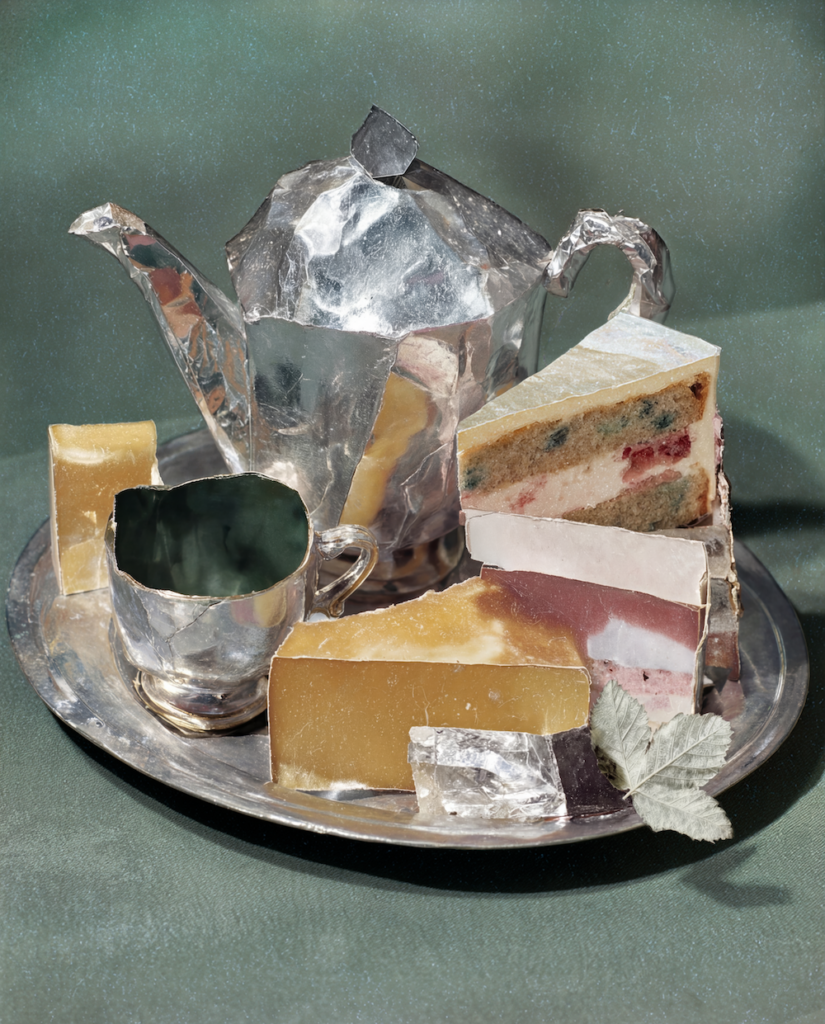
You have often said that “all art is artificial.” In À la carte this idea seems to become almost literal: the food is no longer real, but not entirely fake either. In this sense, the use of AI introduces a further layer of construction. In your case, however, perfection does not seem to be the ultimate goal – almost as if you are questioning the use of AI itself. When working on these images, do you aim for the most controlled and precise result possible, or are you interested in leaving room for something unexpected, even if less “perfect”?
One of my greatest masters was Buster Keaton. The marriage between the everyday and chaos. Showing the extraordinary inside an ordinary situation. At first you identify with it, then you start to question what you’re seeing. But the universal elements must be there. Visually and emotionally. Colour, movement, composition, the senses. When they align, the image breathes. Today AI is too clean. Reinventing imperfection is part of the work. That is the human choice I carry forward when I create.
À la carte evokes the tradition of the still life, yet seems to exist outside that temporal and conceptual lineage. In the still life, time is always implicit; in your images, time seems to flatten, as if everything exists in a continuous present, without duration or decay. At the same time, the way you construct these images feels closer to a painterly practice than a photographic one, traditionally tied to the act of the shutter click and a relationship with the real. Where do you place your work: within the history of photography, or in a more hybrid territory that also engages with painting? Is it still important for you to maintain at least a minimal connection with something real, or do you feel that connection has been surpassed?
We all need food and we all know food. We carry memories tied to taste, sight, smell. Still life, vanitas, recipe books – all of it feeds my work. Cinema too. Visconti’s dinner tables, French and Italian cinema with its meals, the films of Chabrol, La Grande Bouffe, Babette’s Feast. I also love Alma Reville’s cookbook. Chardin again, but also Manet, Monet, Cézanne. Food is life. Food is memory, love, desire.
With “À la carte” I want to suspend time, so that everything exists in an infinite present. Like props, often intact, but not always. I don’t think of myself as inside or outside photography. Digital art allows me to unite painting and photography without having to choose. Real and unreal at the same time. The source still matters. A memory, a dish, a still life. All of this is a starting point, not an anchor.
If images today can simulate anything, what role remains for photography – or for what we continue to call photography?
Photography will endure. Beyond recording reality, it could already simulate anything. Great photography is art, poetry, or both. What we believe in, and why, is the real question worth reflecting on. The role of photography is not disappearing – it is becoming unstable. Has culture ever truly been stable? It is this instability that interests me. It is this movement that inspires me. Doubt, friction, deconstruction, rebirth: these are the primary tools.
Do we live in a simulation?
Art is the playground of consciousness.
Perhaps photography is not about reality.
Perhaps it is about the way we can invent it.
[ad_2]
Source link