[ad_1]
Cashless gigs have quietly changed the texture of concert spending, but how?
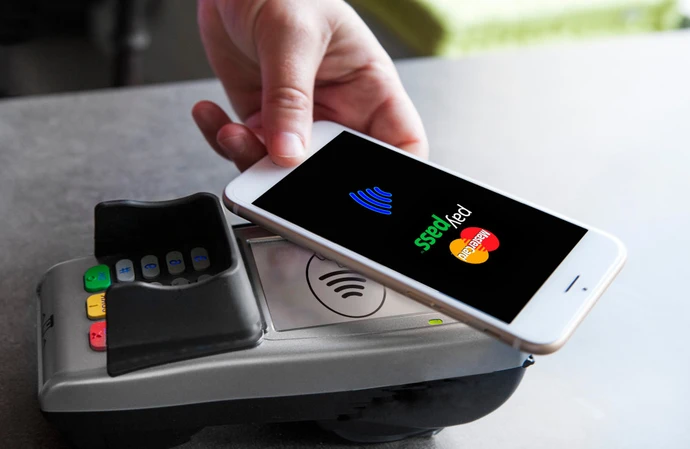
The venue sign says it plainly: no cash. At the bar, people tap phones and cards, the line moves in bursts, and the receipt screen flips around with a tip prompt already selected. Over at the merch table, the experience depends entirely on the night. Sometimes it is smooth-tap, bag, next person. Sometimes it crawls because a reader will not connect, someone’s bank flags the charge, or a person in line is still digging through a wallet app they have not opened in months.
Cashless gigs have quietly changed the texture of concert spending. Buying a drink, a shirt, or a poster is less about having bills in a pocket and more about what works in the moment-signal strength, battery life, and how quickly the line can process a contactless transaction. This seamless environment has also conditioned fans to handle more complex transactions on the fly; for instance, many now use their phones to buy Bitcoin with debit card portals while waiting for an encore, treating their device as a unified financial hub for both entertainment and investment. Reporting from 2024 to 2026 consistently points to rising cashless adoption at live venues and growing contactless payment share at events, which has accelerated the shift from cash-first habits to screen-first spending for both fans and the artists selling to them.
Cashless Gigs 101: What the Policy Actually Means
The Spectrum of Cashless Systems
Not all cashless venues work the same way, and the differences matter more than most people expect before they show up at the door.
Card-only setups are familiar and broadly accessible, but sluggish readers can create bottlenecks at exactly the wrong moments. Tap-to-pay and digital wallets are fast when everything works – which assumes compatible devices and a setup that most fans have completed ahead of time, not while holding a warm drink in a crowded lobby. App-only systems can speed up the venue’s end of things while creating friction for fans without smartphones or reliable data. Prepaid wristbands reduce authorization delays at point-of-sale but introduce new complications – top-up confusion, leftover balances, and wristbands that stop reading at inconvenient moments.
Every system has a specific failure mode. Dead batteries, spotty Wi-Fi, and long lines can turn the act of supporting an artist into a frustrating logistical test that has nothing to do with how much someone wants to buy a shirt.
Where the Money Actually Goes
Payment rails are convenient, but they add layers that both venues and artists have to plan around. Processing fees skim a percentage – and sometimes a fixed amount – from each transaction, which can bite harder on small items like stickers and pins than on a higher-ticket merch. Card holds and authorization delays can show multiple pending charges on a fan’s account, which occasionally generates panicked messages to the artist’s social accounts at midnight. Refunds aren’t instant. Dispute windows can stay open long after the show is over. Chargebacks – when a fan disputes a transaction – create administrative work and potential losses that small touring operations aren’t always equipped to absorb.
A simple frame keeps the merch strategy grounded: net = price-fees. That math isn’t meant to be discouraging. It’s meant to make clear why small operational choices – readable signage, correct item naming on receipts, reliable payment readers – are actually revenue protection rather than optional polish.
Touring Artists: Protecting Merch and Tip Revenue
Building a POS Setup That Survives Real Venues
A mobile point-of-sale setup has to work in the real world: low light, loud rooms, fast-moving customers, and Wi-Fi that may or may not exist in the venue basement. Redundancy is what separates a profitable merch night from an evening of “sorry, it’s not working right now.”
A practical setup includes:
– Fully charged devices with backup battery packs for every reader
– A personal hotspot as a secondary connection that doesn’t depend on venue infrastructure
– Offline mode enabled and tested before doors open
– Printed QR codes as a fallback for simple payment scenarios
– At least one spare reader ready to swap in immediately
Staff training matters more than most people account for. Knowing how to restart a device, process an offline transaction, and handle a declined card calmly and quickly keeps the line moving – and a moving line means more completed purchases.
Signage and line design are part of the payment system too. A clean tap zone, a visible price board, and a clear flow reduce hesitation and abandoned purchases. When a merch table feels orderly, fans spend with less friction because the decision feels easy rather than complicated.
Pricing and Bundling for Speed
Merch pricing works best when it’s designed for quick decisions. Clear tiers – small item, standard, premium – let fans choose fast without hovering. Bundles reduce line time while increasing average order value: a shirt and a sticker pack, a poster with a small bundle discount, a “tour pack” that’s easy to point at and confirm in two seconds.
Round pricing isn’t glamorous, but it removes mental math from the equation and speeds up contactless checkout. Where taxes vary by venue, all-in pricing prevents the small but jarring moment of surprise at the checkout screen – which is exactly when digital tip prompts start to feel pushy rather than optional.
Reconciling Nights: Tracking What Actually Happened
Cashless sales reduce physical cash counting but increase the need for clean reporting. A post-show routine run consistently across a tour prevents small errors from compounding into “mystery losses” that repeat for ten shows before anyone catches them.
The basics: count units sold, compare to POS records, log comps and freebies separately, note any failed transactions or anomalies, and track settlement dates so the team knows when money will actually land. Payout timing varies by processor and can lag by several days – which matters on tour when cash flow is tight and the next show has costs attached to it. Clean reconciliation isn’t about mistrust. It’s about making sure the numbers from show twelve actually reflect what happened at show twelve.
Music Fans: Spending and Tipping Intentionally
The Pre-Show Wallet Check
A cashless gig goes more smoothly with five minutes of prep before leaving the house. Enable tap-to-pay ahead of time rather than at the door. Bring a backup card in case a phone battery dies partway through the night. Set a rough budget that includes merch, drinks, and transit – not because the number needs to be perfect, but because having one prevents the quiet drift of spending more than intended across five separate small transactions.
Screenshotting order confirmations for tickets or VIP add-ons is worth the habit. Reception at venue entrances can be unreliable, and having a saved confirmation removes the stress of a spinning loading screen while a line builds behind you.
Digital Tipping Without Guilt or Confusion
Digital tipping is optional, and the healthiest approach treats it that way rather than as a social obligation that has to be negotiated on a screen. A simple personal rule makes the decision easier: tip when service is genuinely good or above what was expected. Skip it when it isn’t. Move on without turning it into a moral debate at the checkout terminal.
Context does matter here. Tipping bar staff follows familiar norms for most people. Tipping at a merch table feels murkier, especially when the prompt appears automatically regardless of the transaction. Direct artist support is a different route again – some fans prefer to show support by buying the merch, others by tipping, others by bringing a friend to the next show and spreading the word.
The healthiest version of this is clarity rather than pressure: fans can support artists in the way that actually fits their budget, without being cornered by a payment UX moment that assumes a single correct answer.
Online Merch Drops: The New Second Venue
Why Drops Work – and When They Don’t
Online merch drops work because they combine scarcity, timing, and a sense of shared experience. A limited edition item feels like a moment: fans show up at the same time, talk about it in real time, and feel like they’re part of something that won’t be available indefinitely. That’s genuinely powerful.
It’s also fragile. When scarcity feels manufactured – when “limited” becomes a constant trick rather than a real constraint – trust gets burned. And burned trust in a fan community is expensive in ways that are hard to measure and slow to repair. Ecommerce benchmarks from 2024 to 2026 frequently show that timed drops and limited releases can drive higher conversion than evergreen storefronts, but they also show higher customer support volume when stockouts and shipping delays aren’t communicated early and clearly. Drops can be great. They punish sloppy operations.
Operations That Make or Break the Drop
A merch drop is partly a marketing moment and mostly a logistics operation. Inventory accuracy comes first – overselling creates refunds and resentment that lingers. Choosing between ready-to-ship and preorder models matters: ready-to-ship builds goodwill because fans get what they ordered when they expected it, while preorders can fund production but require careful and honest expectation-setting about timelines.
A clear ship-by window should be stated prominently up front, not buried in FAQ text. Planning for address changes sounds minor until packages start getting returned because a fan moved or entered their touring address from six months ago. Lost and damaged items happen on long runs. Having a simple customer support flow, a clear replacement policy, and a consistent tone that doesn’t treat fans like problems makes a real difference in how a drop is remembered after the excitement fades.
Fraud and Resellers: Reducing Damage Without Punishing Fans
Scalping and fraud can wreck the atmosphere of a drop that was supposed to feel like a community moment. Basic measures help without turning the checkout process into a security interrogation: per-customer purchase limits, staggered releases for high-demand items, lightweight verification steps, and clear language about what will and won’t restock.
Communication does more of the heavy lifting here than most teams expect. When expectations are stated plainly – what’s limited, what might come back, what definitely won’t – fans are less likely to assume manipulation, and resellers have less room to create chaos in the comments section. Transparency is cheaper than damage control.
Digital Tipping: Ethics, Expectations, and How Framing Matters
Why Tip Screens Have Created Backlash
Tip prompts have changed the social dynamics of paying in ways that weren’t fully anticipated when they became standard. A prompt can turn a quick transaction into something that feels publicly observed – especially when the screen is facing both directions and options are pre-selected. The backlash that’s emerged isn’t necessarily about tipping itself. It’s about pressure and ambiguity in contexts where neither feels warranted.
Consumer sentiment data from 2024 to 2026 consistently describes growing “tip fatigue,” particularly as prompts have spread into retail-style checkouts and self-service flows that previously had no tipping expectation at all. For touring artists and merch teams, this creates a real tension: touring is genuinely expensive, and fan support through tipping matters. But payment UX that feels like a trap can create long-term friction in a community-driven scene – and long-term friction is the thing worth avoiding.
Transparent Framing That Supports Artists Without Pressuring Fans
Clear, optional messaging helps fans understand what their support does without creating obligation. Short micro-scripts on signage or in conversation can shift the tone from transactional to genuine:
– “This tip supports tour costs like crew pay and travel. It’s always optional.”
– “Tips tonight go to the merch team. No pressure either way.”
– “If tipping isn’t in the budget, grabbing merch or bringing a friend next time is support too.”
These aren’t disclaimers – they’re good communication. They replace the guesswork around what the tip actually does and who it goes to, and they explicitly signal that fans aren’t being judged at checkout. That combination protects goodwill in a way that a tip screen alone never can.
Checklists: Show Night and Drop Day
Touring Artist: Cashless Show Night
Treat payments like gear – tested, backed up, and ready before doors open.
– Power: fully charged devices, battery packs, spare cables ready
– Connectivity: hotspot available, offline mode tested, reset steps known by staff
– Signage: cashless policy visible, prices readable in low light, tip messaging in place if used
– Pricing board: bundles visible, sizes listed, all-in pricing where possible
– Inventory: starting units logged, comps plan defined before the night starts
– Settlement: payout timing noted, anomalies recorded for follow-up
Fan Checklist: Cashless Gig and Merch Drop
– Budget: set a number for merch, drinks, and transit before arriving
– Payment backup: tap-to-pay enabled, second card in pocket, phone charged
– Verification: buy only through the artist’s officially announced channels
– Shipping: assume preorders take time, especially around tour cycles
– Tipping: tip when it feels right, skip when it doesn’t, no explanation needed
What Makes This Work Long-Term
Cashless concerts, online merch drops, and digital tipping can genuinely support touring income and artist sustainability – but only when friction is managed and trust is protected. The artists and teams that come out ahead aren’t necessarily the ones with the most aggressive prompts or the most elaborate drops. They tend to be the ones with reliable systems, honest communication, and consistent respect for the fact that every fan at the merch table made a choice to be there.
For artists, a single-night reconciliation after the next show – units sold, payout timing, anomalies – is a small habit that compounds into real financial clarity over a tour. For fans, setting a per-show support budget and spending it intentionally across the merch, tips, and drops tends to feel better afterward than reacting to whatever the checkout screen suggests in the moment.
[ad_2]
Source link