[ad_1]
Is it fair that fashion designers are left out in the cold?
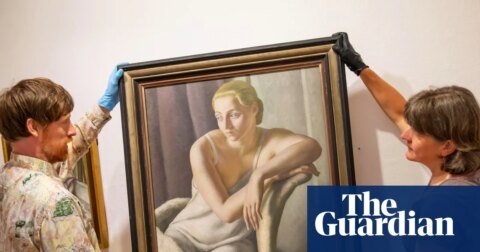
The declaration was proclaimed by Vogue and The Costume Institute: fashion is art.
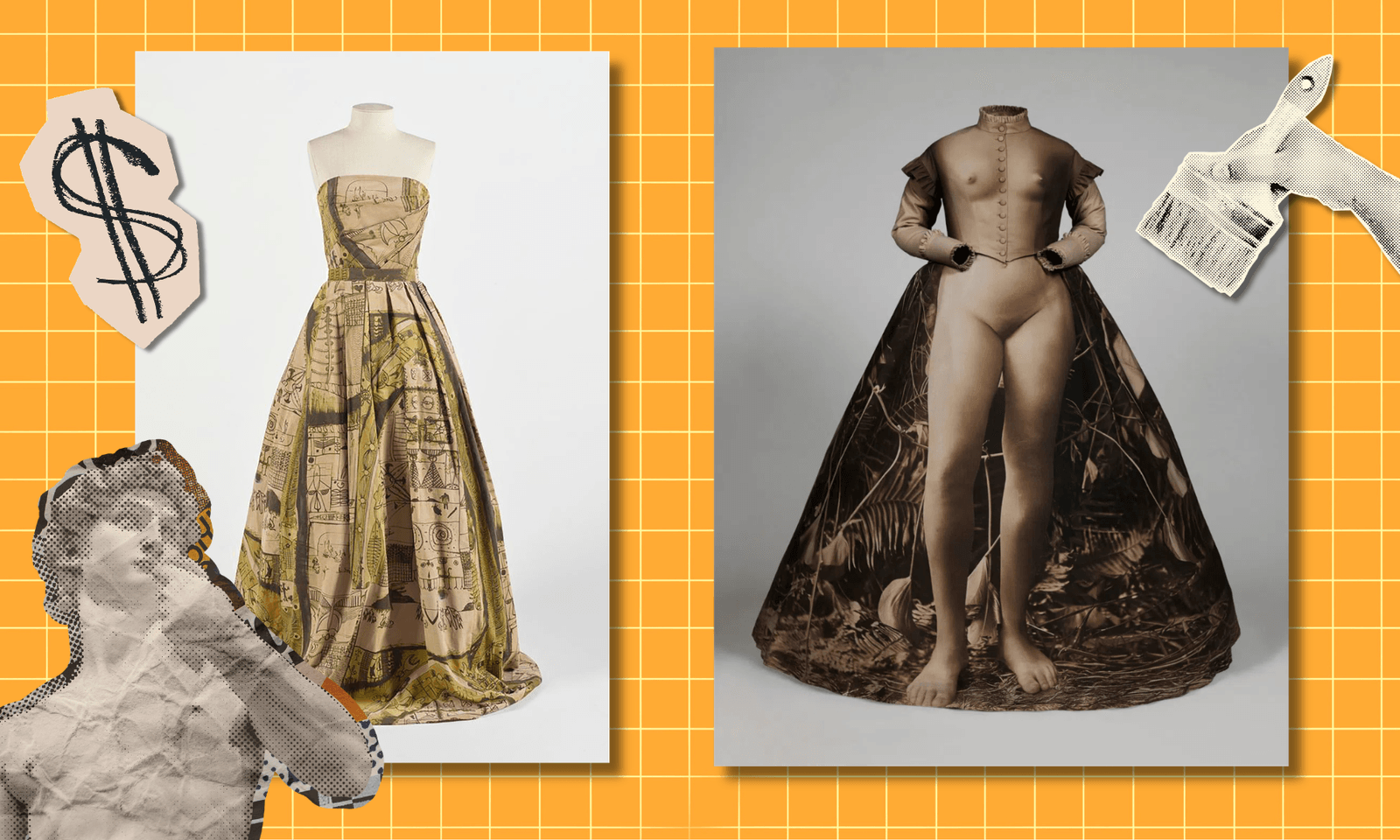
And there it was, greeting guests at the Aotearoa Art Fair: mourning dresses by Yuki Kihara subverting the colonial gaze. Upstairs you could find exhibitions of jewellery, kete and T-shirts.
Fashion design has been celebrated by some of the country’s leading art institutions. The Dowse Art Museum in Lower Hutt dedicated a 2021 show to the late Eden Hore’s collection of New Zealand couture garments, and collaborated with fashion designer Jimmy D in 2024. Auckland Art Gallery hosted Guo Pei: Fashion, Art, Fantasy, an exhibition of the Chinese fashion designer’s work, in 2023. New Zealand’s world-renowned fashion show is literally called World of WearableArt.
In the right context, fashion can be considered art. But anyone looking for funding is met with a clear message on the Creative New Zealand (CNZ) website. We do not fund: fashion design.
“To make best use of our funding, Creative New Zealand focuses on specific artforms. We are not able to fund all creative practices, and this includes fashion design,” explains senior communications adviser Feilidh Dwyer. “Our funding is not focused on commercial design or manufacturing.” Fashion design is, according to CNZ, “primarily part of the commercial creative industries”.

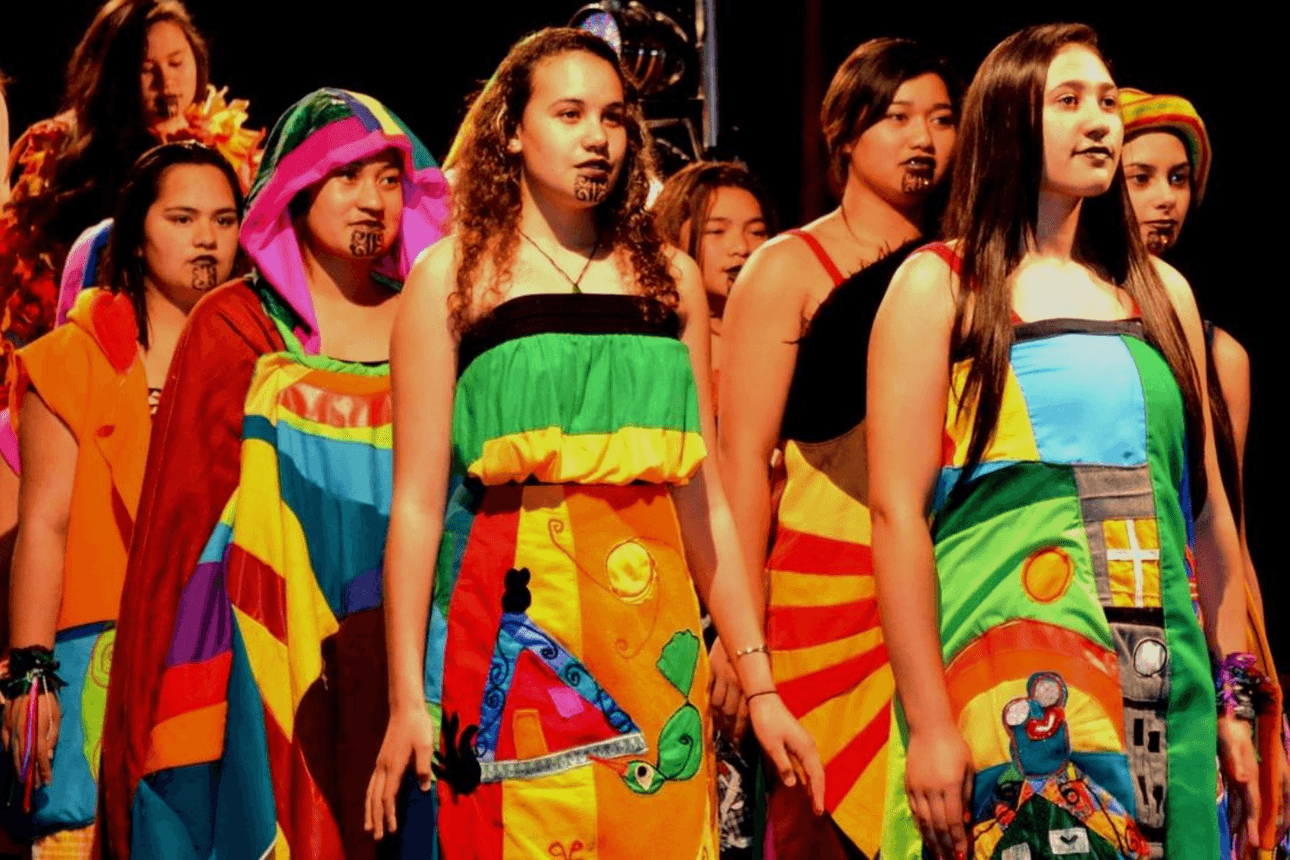
But CNZ has made exceptions. In 2009, creatives, including fashion practitioners, were encouraged by CNZ to apply for an artist’s residency in Tai Pei. More recently, the 2021 Creative New Zealand Arts Pasifika Awards recognised multiple creatives who incorporate fashion into their practice. Fashion designer Epenesa Tavita Faaiuaso was among a collective of artists awarded a residency programme – and $20,000 grant – in Palmerston North in 2024, the outcome of which was a runway presentation of garments and adornments. There’s even a fashion designer listed among the members of the Arts Council of New Zealand Toi Aotearoa, which governs CNZ: Karen Walker.
When do they bend the rules? “We can support non-commercial activity where there is a strong connection with arts practice, artistic collaboration, or cross-cultural exchange,” confirms Dwyer. CNZ “may” consider applications ranging from textiles, costume, adornment and sculpture to both traditional and contemporary Ngā Toi Māori and Pacific arts practice. “We recognise the cultural and economic contribution of fashion design, and the important role it plays in Aotearoa New Zealand’s wider creative ecosystem.”
Only a quarter of CNZ’s funding comes from the government; last year it received $16.6 million. The rest of its funds come from the New Zealand Lottery Grants Board Te Puna Tahua. Its 2025 funding supported a hugely varied range of creative work from supported artforms like craft and object art, literature, music and theatre. This included everything from books and basketry to albums and touring.
“They’re not Art New Zealand, they’re Creative New Zealand,” says Doris de Pont, fashion designer and founder of The New Zealand Fashion Museum (NZFM). “Fashion is creative, therefore you should support it.”
The charitable trust received CNZ support on two occasions: research for a 2019 exhibition at Te Uru gallery and a 2022 exhibition lensed by a photographic artist. “So twice we got funding, but both times it was because of the art connection, not because it’s fashion,” explains de Pont. The majority of their applications have been unsuccessful. “You stop applying after a while, because they don’t give you any money.” Appeals for CNZ funding for arts fellowships, exhibitions and books were unsuccessful. “Other art forms manage to get government funding… we cannot get funding anywhere,” she says. “You just give up applying for funding because they just say no.”
Doris de Pont feels “absolutely rubbish” about the explicit exclusion of fashion design from funding and says excluding fashion due to its commerciality is unfair. “Is fashion not creative?” That fine art, an industry that can net artist and galleries high-figure sales, is considered non-commercial is “a load of fucking bullshit,” according to de Pont. “You’re not going to tell me that that fine art is not commercial.”
She doesn’t begrudge anyone their funding. “But to say that fashion is commercial and other things are not, is just a lie.”
The explicit exclusion of fashion design from CNZ funding is “quite new” according to de Pont. “At the times we applied for funding, they didn’t have that express exclusion.” Otherwise they wouldn’t have bothered. “It’s never been explicit until just recently.”
CNZ told The Spinoff that the exclusion was a “long-established position, not a recent addition”. It appears in the 2014 Craft/Object art review: “Exclusions: What we don’t fund – the design and manufacture of fashion garments.” However it doesn’t seem to have been listed on the CNZ website until July 2015, when “what we don’t fund… fashion design” appeared.
Miramoda, which showcased the work of indigenous designers at New Zealand Fashion Week for 10 years, secured funding from CNZ around 2008/9 when the event was first getting off the ground. “It was a one-off,” confirms co-founder Ata Te Kanawa. “I didn’t pursue them again as funders.”
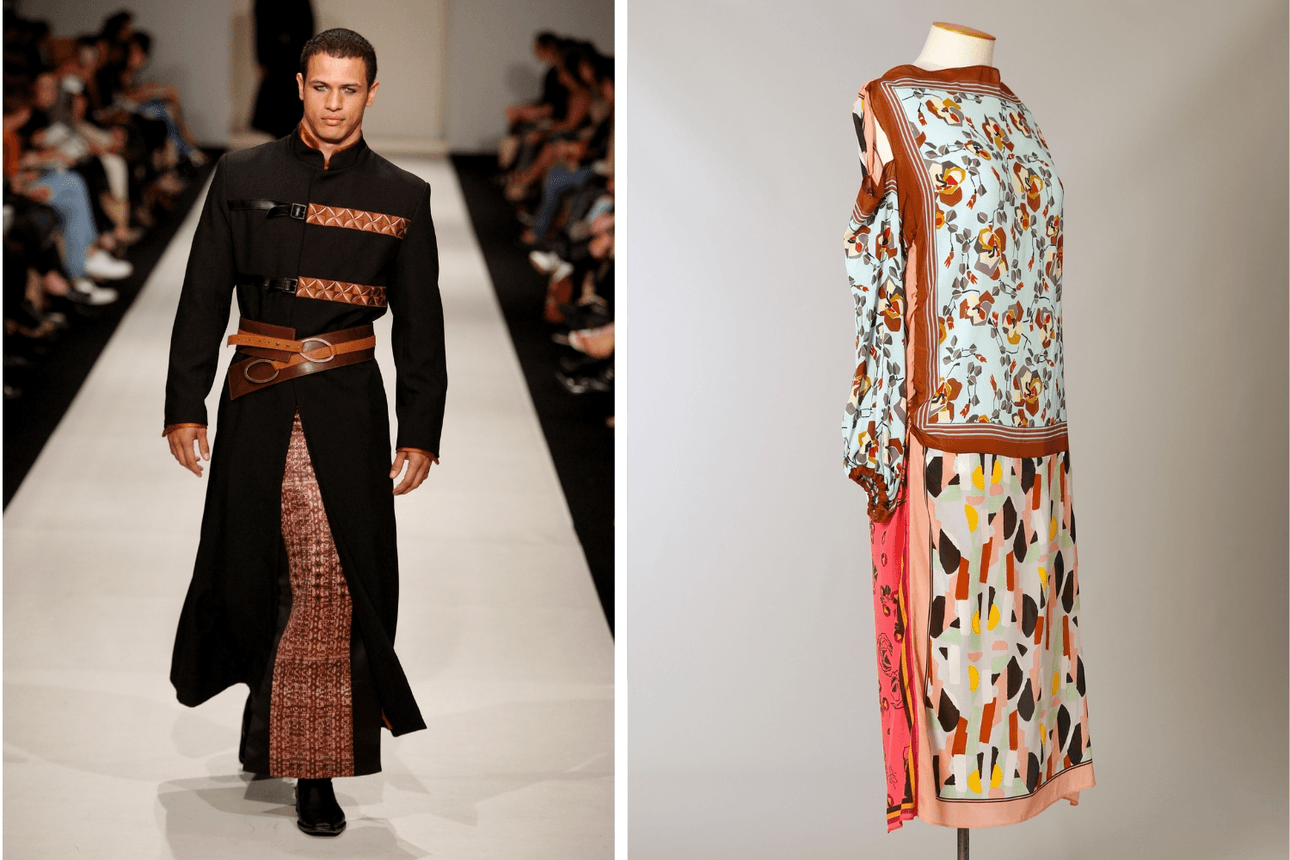
The study of fashion design has shifted from polytechnics to art institutions and universities; AUT students can major in fashion design at the School of Art & Design and a fashion design degree is also offered by Whitecliffe art school.
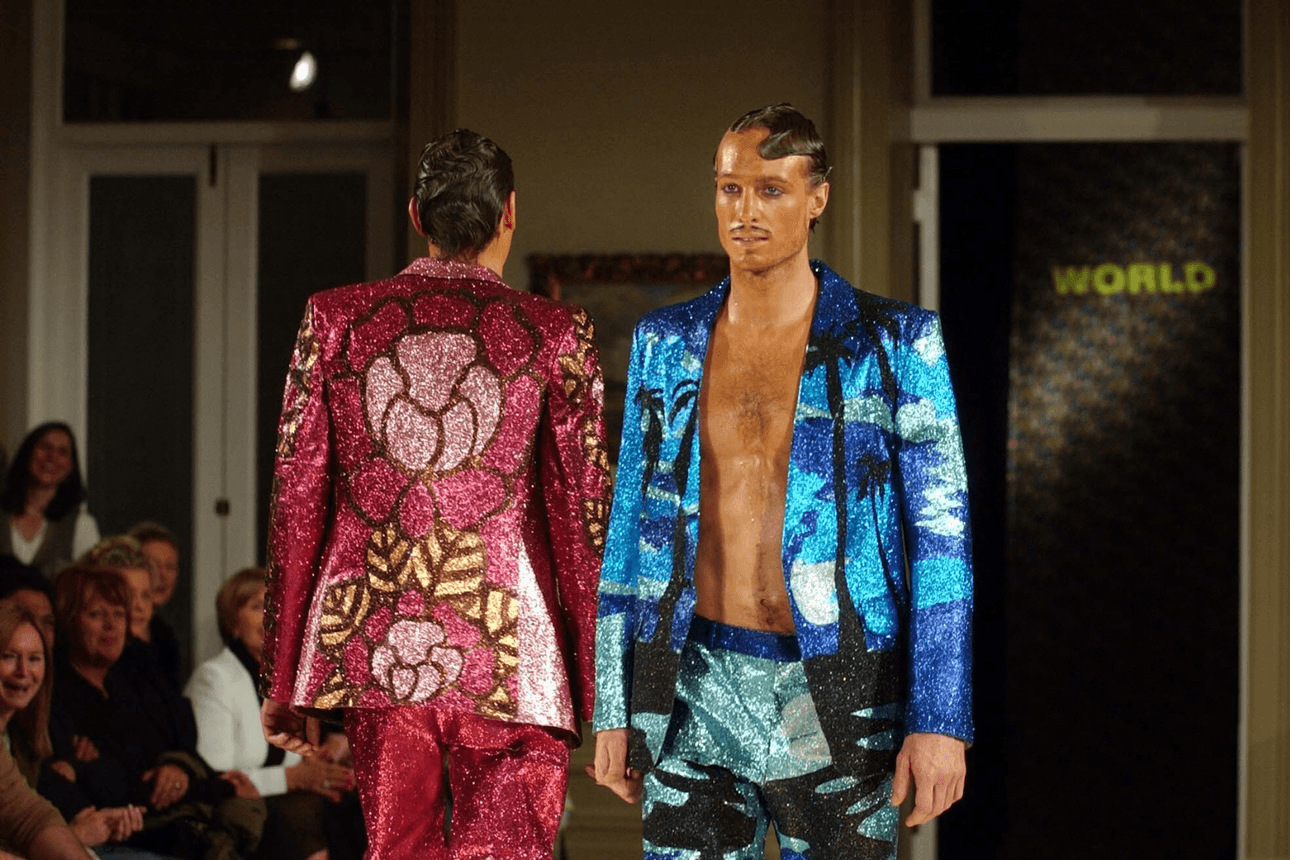
New Zealand’s fashion-art relationship goes both ways, with artists lending their work to garments or collaborating with designers, like Andrew McLeod and Jimmy D, Ruben Patterson and World, Karl Maughan and Stolen Girlfriends Club, Frances Hodgkins and Kate Sylvester. John Pule and Richard Killeen both collaborated with Doris De Pont. Len Lye’s work has even been used by acclaimed Belgian designer Dries van Noten.
Artists also produce clothes of their own. Yuki Kihara’s are in Te Papa. Many, including Frandson Bahati and Numangatini Mackenzie, print on garments and sell them. Tohunga raranga (master weaver) artists Edna Pahewa, Donna Waiariki and Cath Brown work in mediums that clothe or adorn the body. Ron Te Kawa has translated his signature quilting practice into garments. The Pacific Sisters, a trailblazing activist art collective, have worked in fashion and adornment since the 1990s.
Is fashion art? Dan Ahwa, creative director of New Zealand Fashion Week, says yes. “Fashion, to me, is an art form. It’s applied art.” A curator, stylist and journalist, he works across the fashion and art industries, most recently curating a booth at the Aotearoa Art Fair that showcased adornments made by Pasifika artists, photographed by Edith Amituanai.
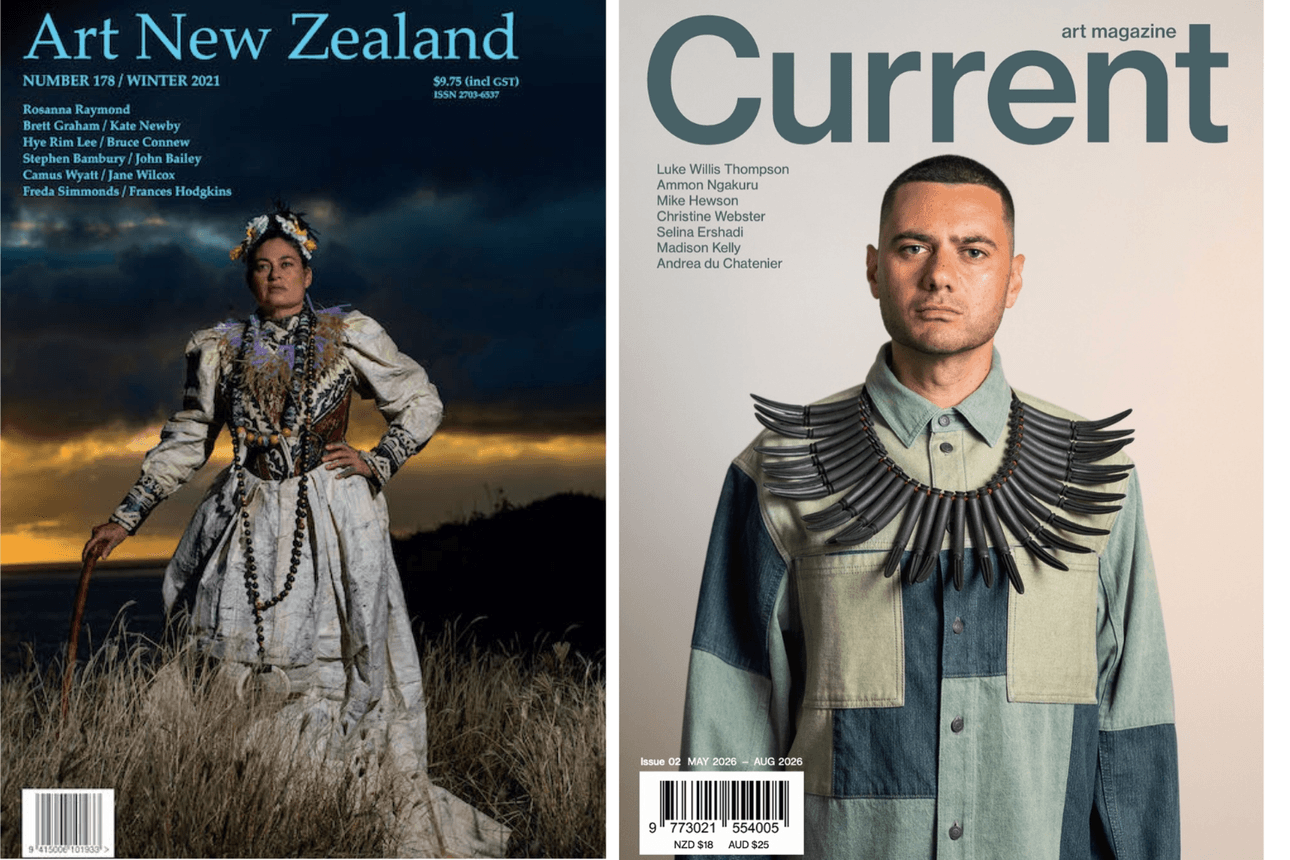
“Saying that fashion is too commercial, it doesn’t make any sense.” Ahwa says many local designers take a different approach anyway. “Their focus is on a different type of kaupapa, whether it’s trying to come up with a different form of textile or going back to the craft scene. There’s so much there that would fall under an arts category.”
Seeing the crossover between fashion/adornment and art, he wants to strengthen the connections between the two communities. “There’s like a real synergy there,” explains Ahwa. “So many practices that are funded as art share the same methods as fashion: performance art, body based practice, sustainability, research, indigenous knowledge systems, critical commentary.”
Ahwa thinks excluding fashion design from CNZ funding is a missed opportunity. “Funding allows artists and designers to continue creating their art… why shouldn’t fashion be funded that way?”
It’s not only about garment making, he notes. Fashion is also storytelling and image making. Runway shows, for example, are highly conceptual. “It’s performance art. And just because you’ve got wholesale orders and margins and production schedules and retail outcomes attached to it, does that take it away from being an art form?”
As far as supporting fashion designers goes, he suggests partial funding, focused on non-commercial output, as a ringfenced solution. “A lot of people are concerned that public money is subsidising product manufacturing. One fix is to fund only the cultural components — show production, exhibition costs, research. Maybe that’s kind of how they could work it.”
Te Wiki Āhua O Aotearoa has presented its alternative schedule of runway shows by emerging designers and artists since 2024. Though the event positions itself as countercultural and antiestablishment, there are commercial facets to it – like ticket sales and a pop-up store.
Finn Mora-Hill, designer of the fashion label Fringes and a member of the Āhua collective, says most designers approach the event as an artistic endeavour rather than a commercial enterprise. “Emotion is the key driver for a lot of these collections. [Artistry] is massively important.”
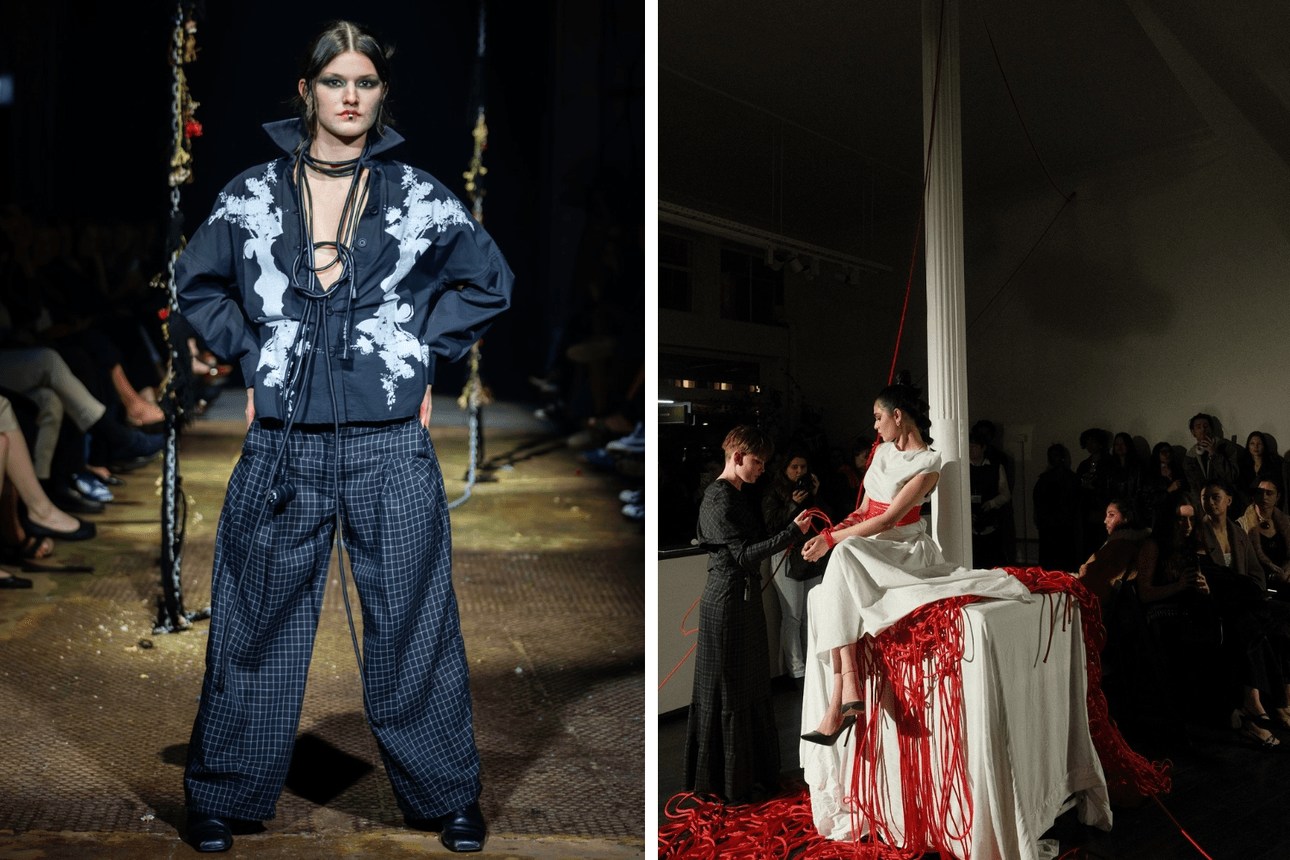
Designers who don’t sell their work will usually fund it via savings or with income earned from another job. This makes time a “huge constraint”, he says. “Unless you’re willing to work nights after work and sew, there isn’t really any support there… nothing financial.” Mora-Hill thinks designers would benefit from funding. “It would help a lot, with regards to materials and the time to spend sampling and developing ideas.”
Is fashion art? “Certainly,” says Mora-Hill. He knows people who have framed designer garments on their walls. “It definitely is… but I wouldn’t say all fashion is art.”
It’s a common caveat in an industry that understands its own contradictions and complexities. The Dress Circle, a history of New Zealand fashion design, puts it bluntly in the 2010 book: “Not all clothes are fashion, not all fashion is original, and not every successful fashion designer is interesting or important.”
But it can be art, sometimes. Whether it receives funding is, as CNZ confirmed, another case of “sometimes”.
The organisation has announced a new funding structure and 15-year plan, aligning it with the government’s latest roadmap, Amplify: A Creative and Cultural Strategy for New Zealand. CNZ will shift from its “current, centralised approach towards a strong national network of efficient, effective and collaborative regional delivery partners”.
Amplify takes a broad approach to defining the sector, encompassing “arts in all forms” including museums, galleries, Māori arts, music, screen, gaming, architecture, place-based heritage and design. And fashion.
Do these new strategies present a ray of hope for struggling fashion designers? CNZ doesn’t think so. “We do not anticipate any changes to the artforms we currently support.”
[ad_2]
Source link