[ad_1]
Did you know? Sainte-Anne Hospital, in Paris’s 14th arrondissement, houses a museum of art and history. From April 16 to July 26, 2026, it unveils an exhibition spotlighting the emblematic works by artist-patients, including Aloïse Corbaz, Unica Zürn, Guillaume Pujolle, Maurice Blin, and Caroline Macdonald.
Who better than Yayoi Kusama to speak about art therapy? The Japanese contemporary artist was admitted to a psychiatric hospital in Tokyo at her own request in the 1970s. Since then, Kusama has tirelessly continued to create and give rise to new works, expressing her obsession with polka dots and infinity. Moreover, the artist herself presents her art as therapy.
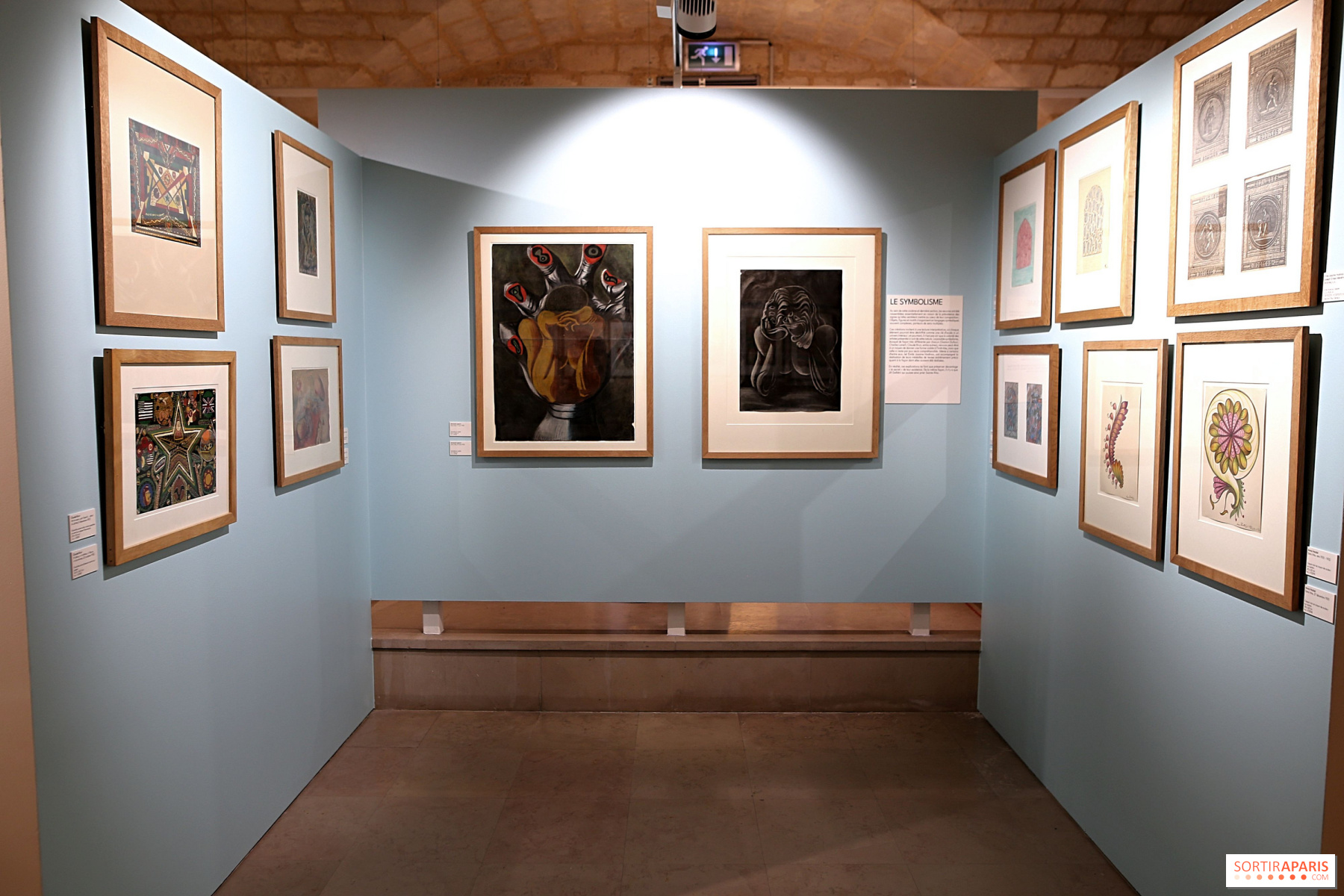
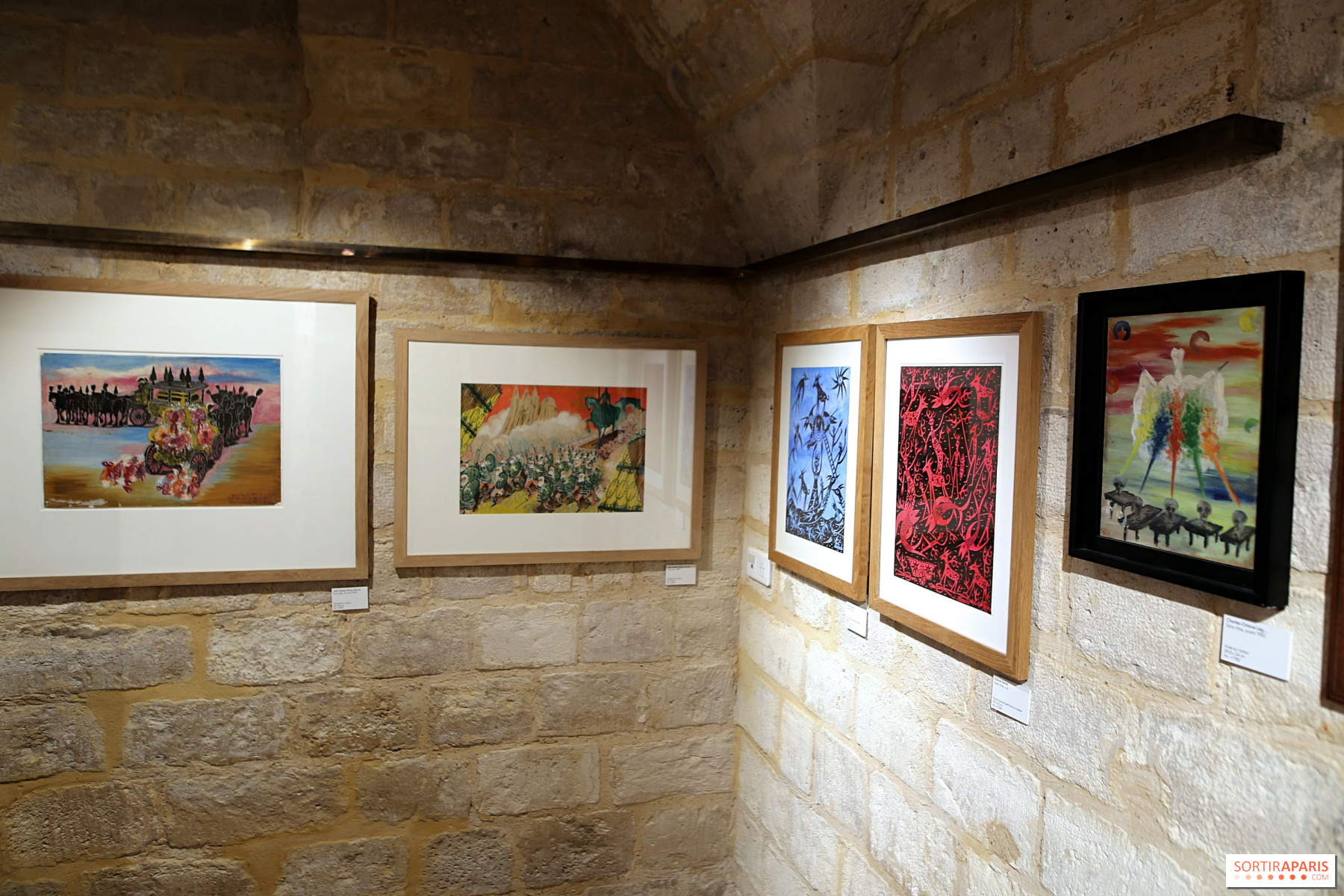
Across the world, many patients have turned to art to express their anxieties or simply to escape. From April 16 to July 26, 2026, the Museum of Art and History of Sainte-Anne Hospital (MAHHSA) in Paris will unveil a selection of paintings and drawings from its collection created by artist-patients, dating from the 19th century to today. An opportunity to admire 145 works by artists who became patients, patients who became artists, or artists bearing witness to psychiatry.
Titled « Masterpieces at the Heart of the Sainte-Anne Collection », this temporary exhibition invites visitors to immerse themselves in the collection by following six thematic sections : «History of asylum and refuge», which looks at the hospital as an ambivalent space, «Dreams of landscape and adventure», yielding works regarded as escapes, «Imaginary universes», where elaborate fantastical constructions and certain hybrid figures share the stage, «Brut and pretty», evoking raw spontaneity and the pursuit of beauty, «The intimate and the living», spotlighting personal expressions, and «Symbolism», where the works carry multiple meanings.
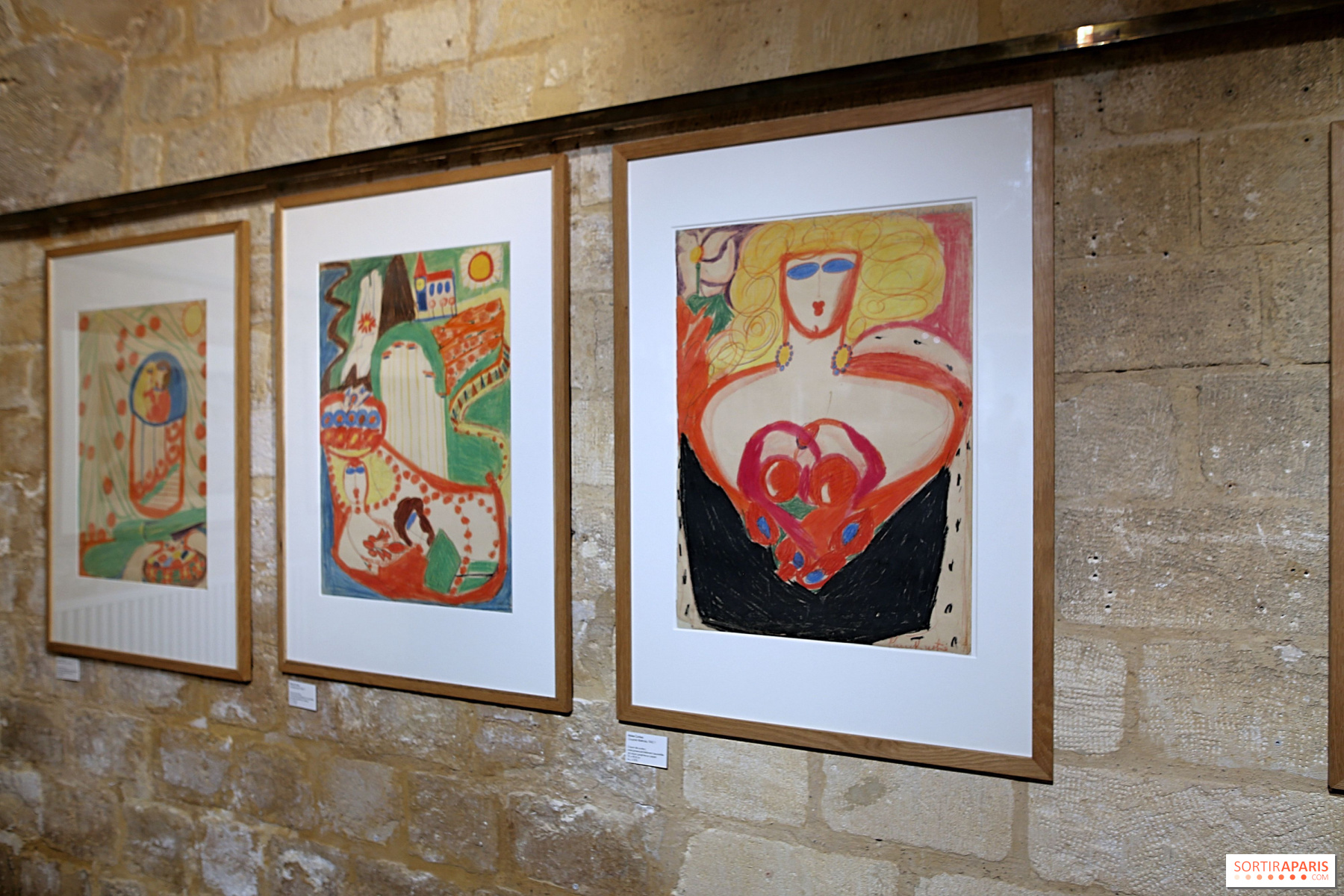
This thematic rather than chronological approach allows the works to dialogue with one another. The goal? To affirm that creativity transcends illness and to let these works speak, “by weaving together stories, themes and contexts, without reducing them to the illness of their authors,” explains Anne-Marie Dubois, the exhibition curator.
Spread across the two splendid vaulted rooms of the museum, the exhibition “Masterpieces, at the heart of the Sainte-Anne collection” showcases, among others, works by artists now widely recognized, such as the Swiss Aloïse Corbaz, the German Unica Zürn, Maurice Blin, Caroline Macdonald, or the French outsider painter Guillaume Pujolle, who used pharmaceutical products in some of his canvases. Anonymous artists from Poland, India, or Japan are also highlighted. While some opt to depict confinement, asylum and hospital settings in their pieces, others express their anxieties, such as Charles-Octave Lévy and his fascinating painting titled “Ste Ame.”
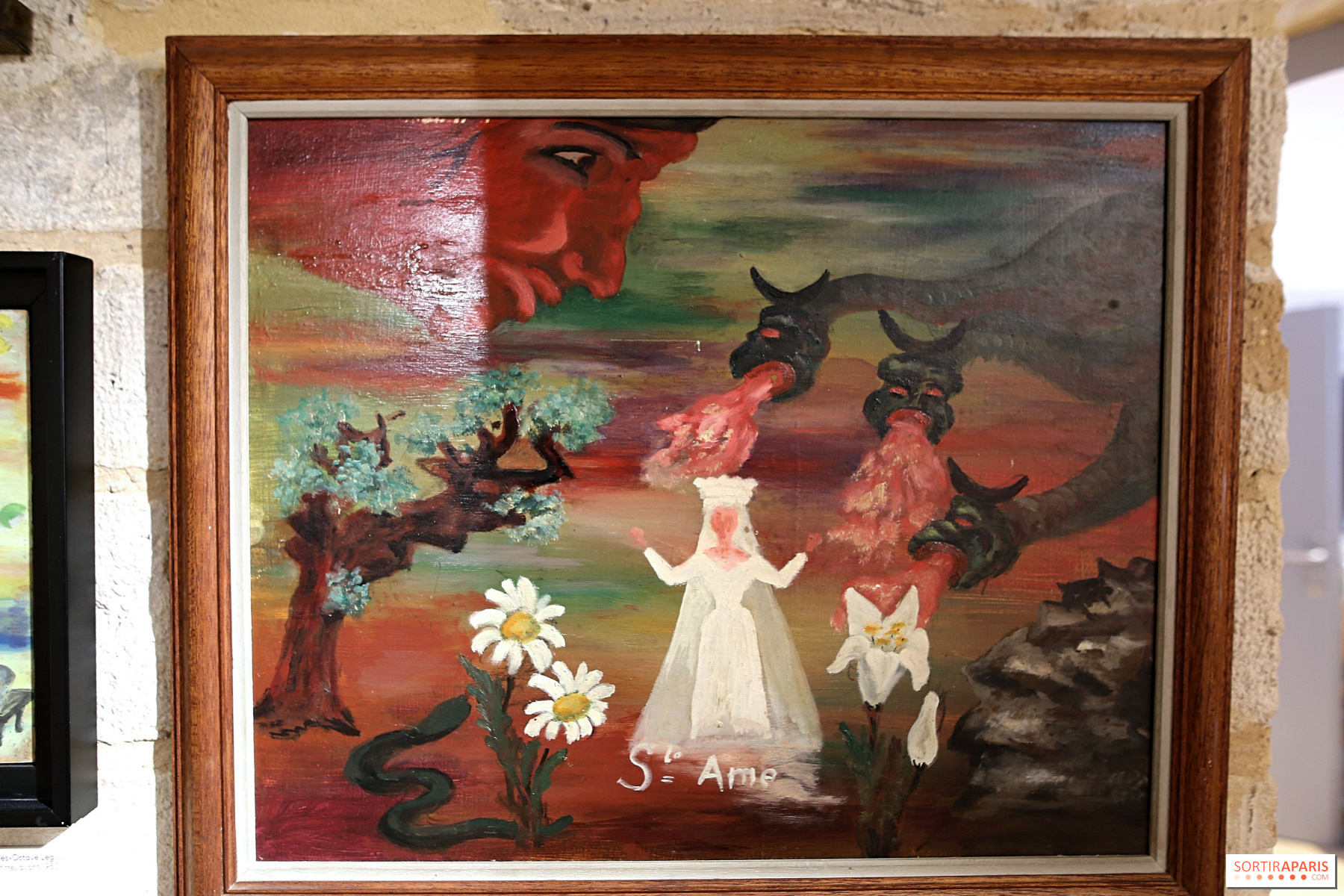
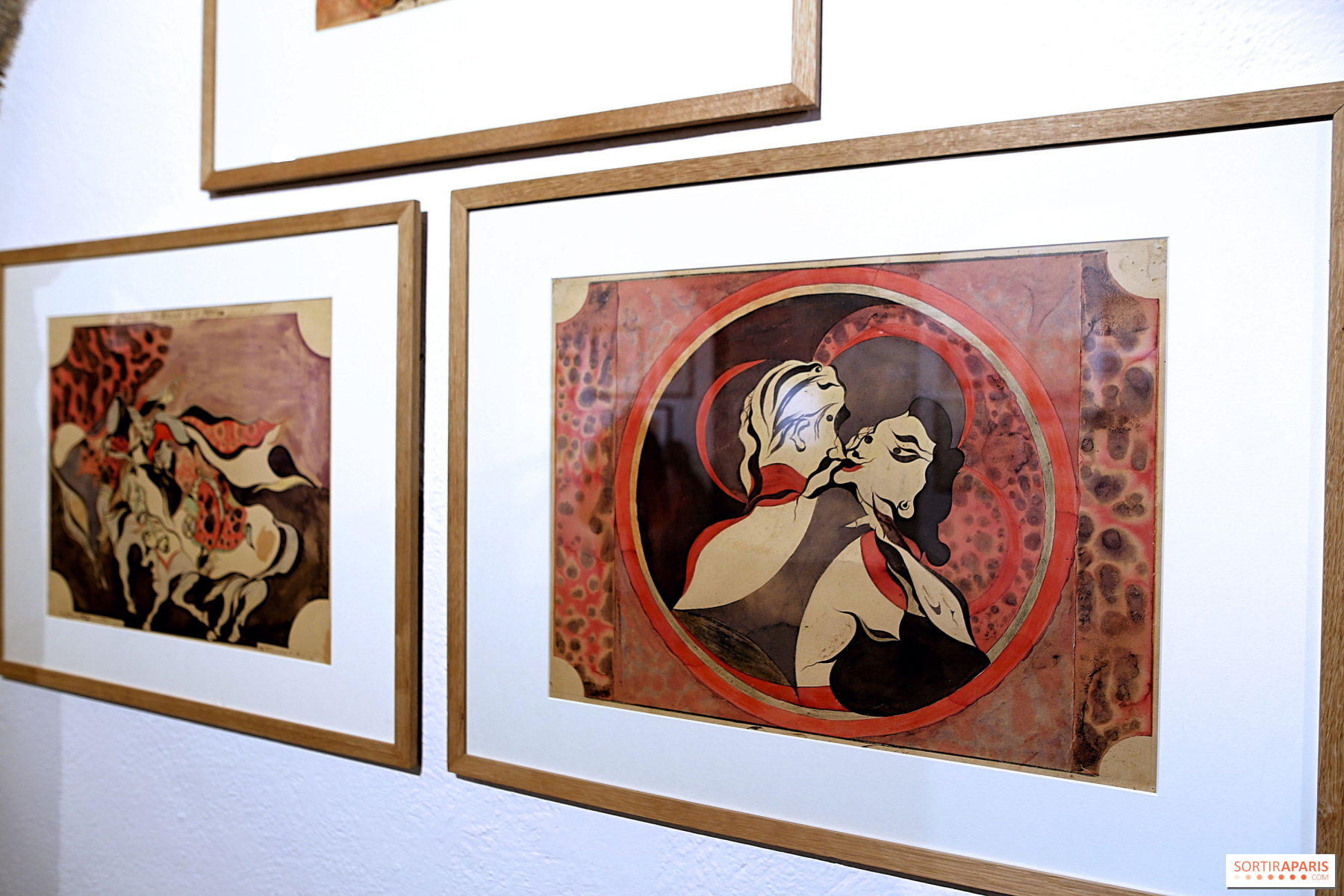
The exhibition makes destigmatization its core focus and deliberately avoids naming the illness that affects these artist-patients. Here, only the art matters, and each piece is given room to breathe, never reduced to a single reading. The museum invites visitors to challenge their preconceptions while stirring everyone’s emotions. Though modest in size, with just two gallery spaces, the MAHHSA succeeds in presenting a little over 140 works in small to medium formats.
This exhibition, blending art and psychiatry, tempting you? Then we recommend heading to the Museum of Art and History of the Sainte-Anne Hospital by entering through the closest door, at No. 1 Cabanis Street. From there, proceed a few meters along the main corridor; the museum is on your right, in the building’s basement. As for prices, the exhibition is very affordable, at just €5 (full price). Access is also free for the “Friends of the Museum,” for those under 26, jobseekers, staff, and patients of the GHU. Note also that the museum is closed on Mondays and Tuesdays. Plan to visit from Wednesday to Sunday inclusive, from 1:00 PM to 6:00 PM, to discover this exhibition.
For the curious, you can take the experience a step further with guided tours of the exhibition or with a look at the hospital Sainte-Anne’s historic and heritage spaces.
Note that the cultural venue will also take part in the European Museum Night on May 23, 2026. A 30-minute guided tour (four time slots, free admission with no reservations, subject to availability) — come and admire the emblematic works by the artist-patients of the Sainte-Anne Collection.
[ad_2]
Source link