
[ad_1]
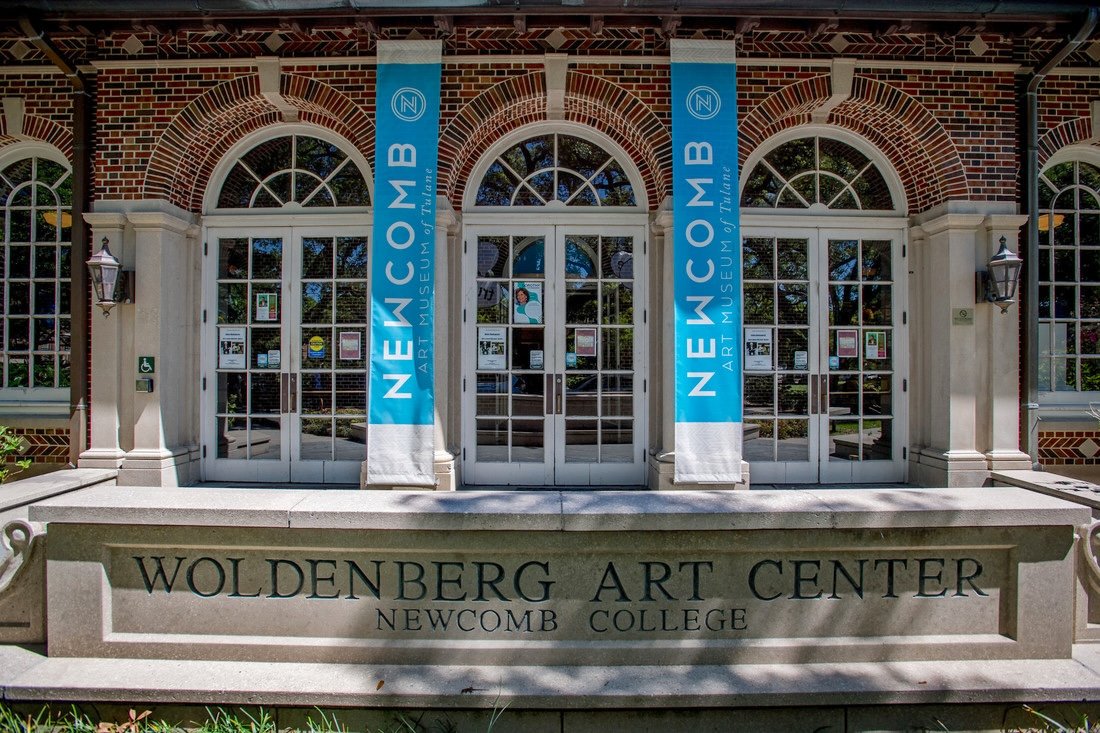
Tulane University has received a $2.43 million gift from the estate of alumna Anne Robertson Sellin (NC ’62) to expand the collections of its nationally recognized Newcomb Art Museum, one of the university’s most significant repositories of art, material culture and creative scholarship.
Sellin’s bequest establishes the Anne Robertson Sellin Endowed Fund, which will provide permanent support for exhibitions and the acquisition of works of art created before 1950. The bequest reflects her enduring commitment to Tulane and to Newcomb College, the pioneering center for women’s education in the arts and design, where she earned her bachelor’s degree in art history in 1962.
“We are deeply grateful for Anne Sellin’s extraordinary generosity and her belief in the transformative power of art,” said Maurita N. Poole, executive director and chief curator at the museum. “This endowment significantly strengthens the museum’s ability to tell a broader and richer story of art and culture prior to 1950 and gives us the rare opportunity to pursue exhibitions and acquisitions that were previously out of reach. Anne’s gift is not only visionary but profoundly impactful, ensuring the Newcomb Art Museum’s continued relevance and growth for future generations.”
Sellin believed profoundly in the power of art to connect people to history, place and one another. Born in Houston, Texas, Sellin graduated from Newcomb College and later earned a master’s degree in art history from the University of Pennsylvania. After marrying art historian David Sellin, she moved to Washington, D.C., where she devoted more than four decades to civic and preservation work. She played a key role in efforts to protect historic neighborhoods and landmarks, including successful nominations to the National Register of Historic Places. She also remained active in preservation causes in New Hampshire, where she and her husband spent summers.
Despite her many professional and civic commitments, Sellin never lost her connection to Tulane or to Newcomb College.
“Anne was very intentional about wanting to make an impact on the museum’s collecting and exhibitions programs,” said her brother Charles Robertson, who served as executor of her estate. “Tulane — and especially Newcomb — meant a great deal to her. Her experiences there sparked her lifelong interest in art history, and what better way to commemorate that interest than to establish this endowment in support of the museum’s mission long after she was gone.”
By documenting her bequest during her lifetime, Sellin was able to work with Tulane’s Office of Gift Planning to ensure that her intentions were clearly understood and that her legacy would be honored as she envisioned.
“Legacy gifts like Anne’s are among the most meaningful expressions of commitment to Tulane,” said Ginny Wise, senior vice president for advancement. “They remind us that alumni and friends can make a lasting impact while also enjoying the satisfaction of seeing their plans take shape. Anne’s generosity is an inspiration to our entire community.”
Wise said that Sellin’s gift ensures that future students, scholars, and visitors will encounter works of art that deepen their understanding of the past while inviting others to imagine how their own legacy might do the same.
With its nationally acclaimed exhibitions and permanent collections, the Newcomb Art Museum stands as a vital cultural anchor for Tulane and the Gulf South. Best known for its world-class holdings of Newcomb Pottery — among the most significant Arts and Crafts collections in the United States — the museum also houses wide-ranging collections of modern and contemporary works, decorative arts and material culture that reflect Newcomb College’s historic role in advancing women’s artistic production. Widely recognized for curatorial excellence and innovative scholarship, the museum continues to shape national conversations about art, design and society while preserving a legacy that remains central to American art history.
[ad_2]
Source link