
[ad_1]
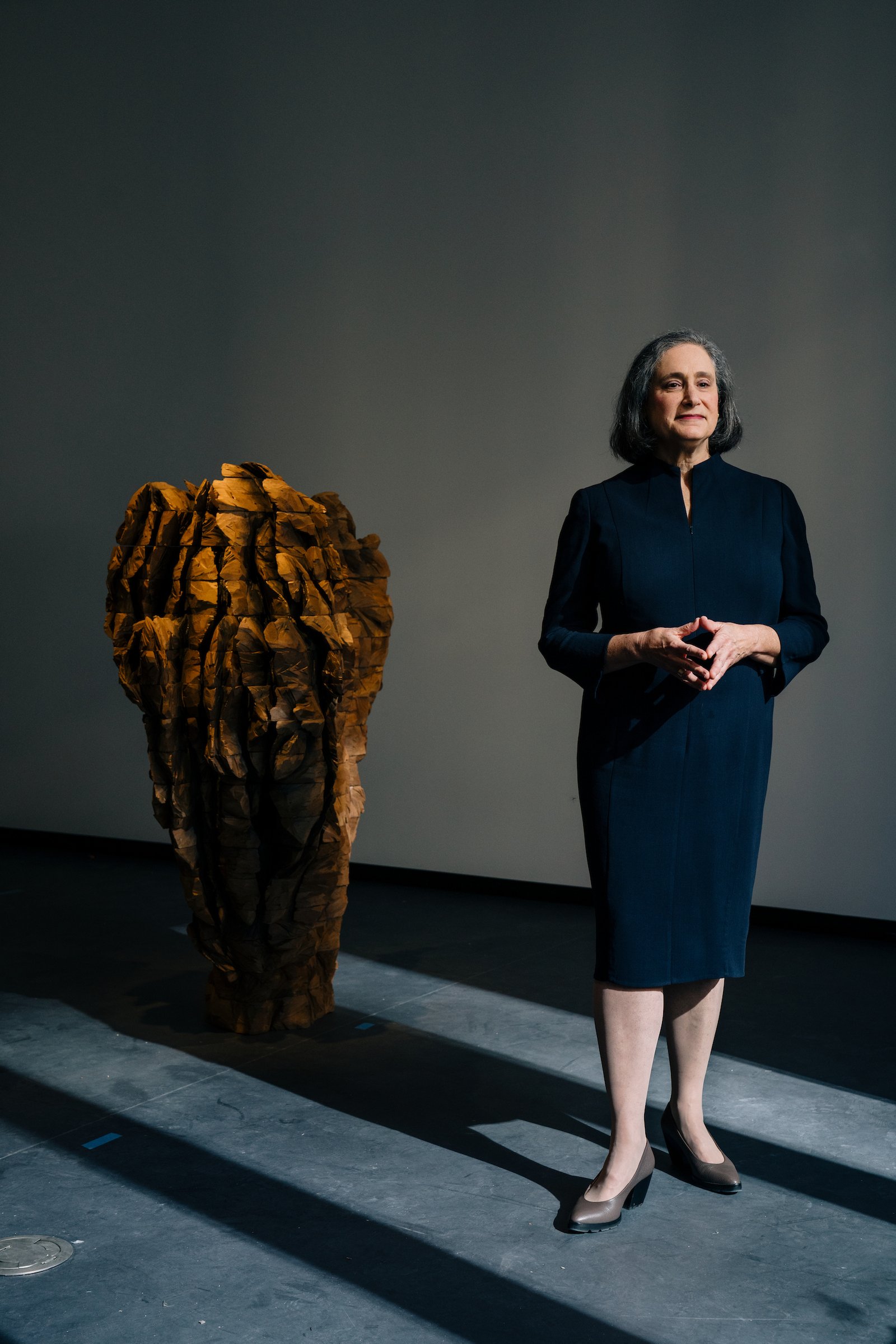
After 18 years at the helm of the National Museum of Women in the Arts (NMWA) in Washington, D.C., Susan Fisher Sterling is retiring from her post at the end of the year.
Sterling’s retirement caps a nearly four-decade tenure at the museum, which was founded by collector Wilhelmina Cole Holladay as the first (and today, still the only) institution dedicated to women in the arts. In that time, Sterling has overseen the dramatic growth of the museum’s collections and a $67.5 million renovation, completed in 2023.
“For decades, Susan’s accomplishments have made a major impact, strengthening the museum’s standing in the art world, growing our support, and reaching larger and more diverse audiences,” Susan Goldberg, president of NMWA’s board of directors, said in a statement. “She has celebrated female artists and given them a unique platform, transforming NMWA into an institution that’s been ahead of its time, and on a strong path toward the future.”
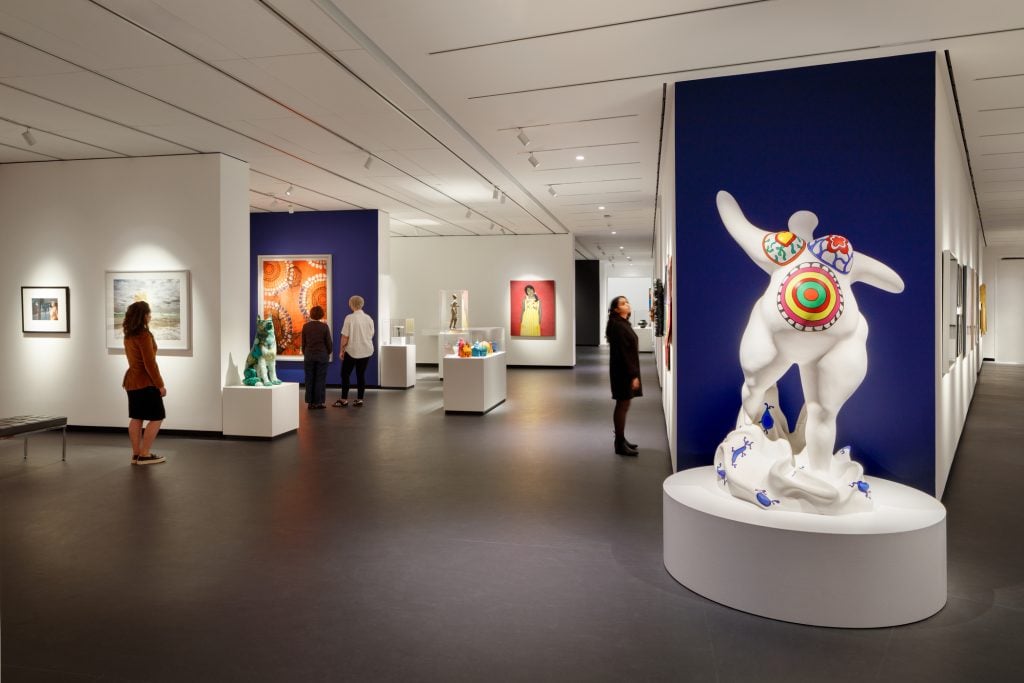
Nikki de Saint Phalle’s Pregnant Nana (1995) in the collection galleries at the National Museum of Women in the Arts. Photo by Jennifer Hughes, courtesy of NMWA.
Sterling joined the museum as an associate curator in 1988, just a year after it opened its doors. Over the decades, she rose through the ranks, serving as the curator of Modern and Contemporary art, chief curator, and deputy director, before becoming director in 2008.
Under her leadership, the museum’s collection expanded to more than 6,000 works by 1,000 artists, while its institutional partnerships have grown to include the Louvre in Paris, the State Hermitage Museum in Russia, and the Tate Modern in London. Sterling was also key in spearheading solo exhibitions by the likes of Judy Chicago, Remedios Varo, Carrie Mae Weems, Graciela Iturbide, and Faith Ringgold, as well as initiatives like NMWA’s #5WomenArtists campaign in 2016.
Looking back over her entire tenure, Sterling told me of “moments of meaningful connections with artists and experiences of artworks” that will stay with her. But as director, she remains most proud of the major two-year renovation of NMWA’s building, which upgraded the Classical Revival structure for the 21st century. The project expanded galleries, added a research center, and installed new lighting and security systems.
“For all of the trials and challenges this presented, from fundraising to French drains, it was an exhilarating process to be able to realize so many of our long-term dreams for the building—and in doing so bring to fruition expanded programs and exhibitions,” she said over email. “I was honored to helm the ship through this process. I am truly proud of my work leading us through to the reopening.”
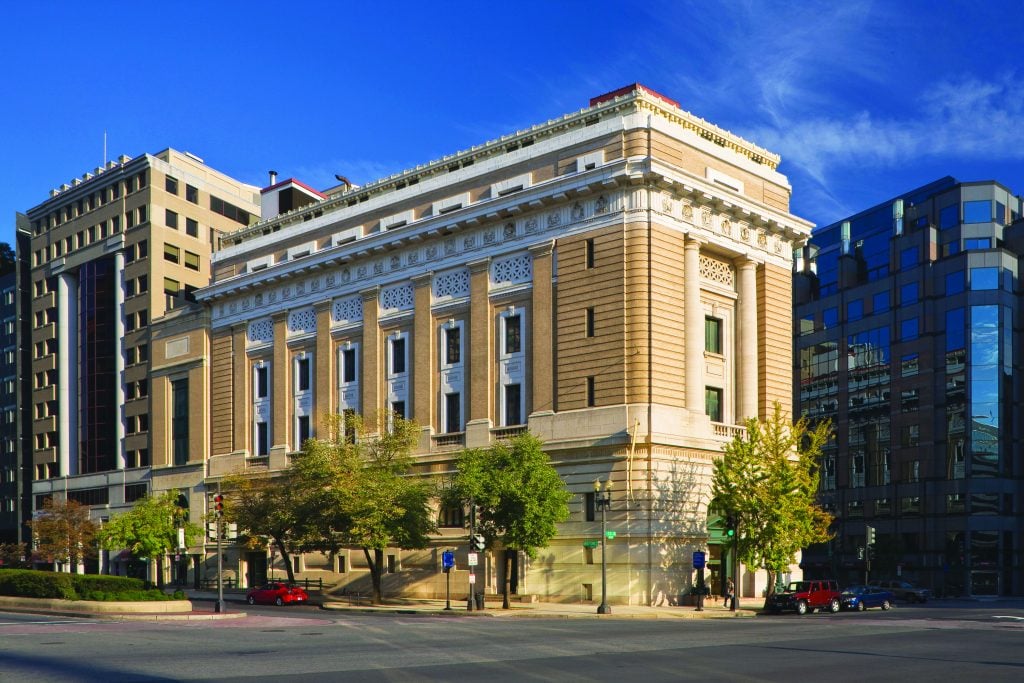
The National Museum of Women in the Arts in Washington, D.C. Photo: Thomas H. Field.
NMWA’s board of trustees has already begun its hunt for the museum’s next director, with help from executive search firm Howe-Lewis International. Sterling will retire from her position on December 31, but will remain with the institution for some months to ensure a smooth transition.
Sterling is departing the museum at a time of mounting political polarization in the U.S., with cultural institutions coming under increased scrutiny from the right. In this climate, Sterling noted, NMWA’s mission in advancing gender equity, inclusion, and diversity has only grown more essential and urgent.
“We face an unprecedented era when cultural institutions are under threat, when rights for women are at risk, and when concepts of equity—be it for racial minorities or LGBTQIA+ communities—are being called into question,” she said. “This is why we need the museum more than ever. And this is why I am so moved to ensure with my leadership and my departure that I help position the museum for the future.”
[ad_2]
Source link
