
[ad_1]
This year’s edition of Art Basel Miami Beach (ABMB) comes at a time of adjustment across the global art market. After more than two years of slumping sales, transactions at live events have still not rebounded to pre-Covid-19 lockdown levels, according to the most recent Art Market Report published by Art Basel and UBS.
Bridget Finn, the director of Art Basel’s Florida fair, is approaching this year’s edition with bolstered optimism. Strong sales at Art Basel Paris in October were a “great” indicator for the art market, Finn says, adding that gallerists and collectors alike were happy and high-energy throughout the duration of the fair. That spirit, Finn believes, will carry into the Miami Beach fair.
“People are really looking forward to this fair to end their year on a high note,” Finn says. “The market was in a more complex place leading up to last year’s show. The galleries have worked so hard to really think through what material to bring, how to define their programme and what audience they’re aiming to target at each show.”
While a handful of longtime ABMB participants quietly stepped away just weeks before the fair began, Finn says the withdrawals reflect broader market complexities rather than a loss of confidence in the fair. With five Art Basel fairs now operating worldwide, including a new Qatar edition launching in February 2026, galleries are being more selective about where they show, she says.
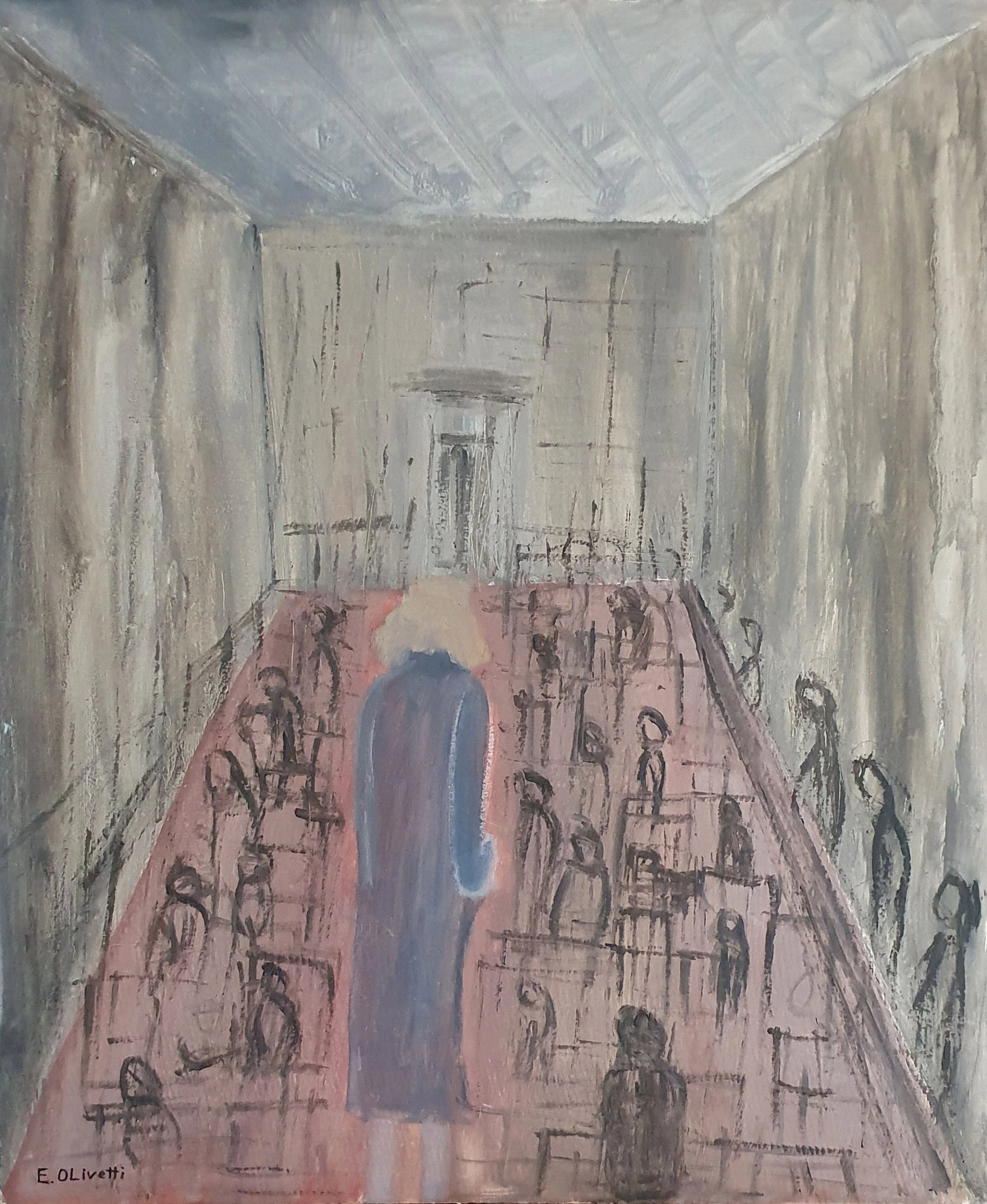
Home front: among the Miami-based galleries that are exhibiting at Art Basel this year is Piero Atchugarry, showing La Maestra (1968) by Eva Olivetti
Courtesy of Studio Verde Arte
“Galleries have to think so much about what markets they’re interested in growing and participating in, and how to best serve their artists,” Finn says. “And for me, it’s an absolute priority to make sure that Art Basel Miami Beach, the largest show in the Americas, is servicing our galleries in the way it needs to for them to find value in their presence in Miami Beach with us.”
Among the most noticeable structural updates this year is the relocation of two key sections. Nova and Positions have been moved to the east side entrance of the fair. The new location runs along Washington Avenue, closest to the Miami beachfront. Previously, the two sections—which highlight emerging and mid-career artists—were located in the two southern corners separated by the Meridians section, which is dedicated to large installations.
According to Finn, this is “the first time, to my knowledge, that Art Basel has brought the more emerging galleries to an entrance”, a move designed to develop a critical mass for visitors seeking out new talent.
Another new feature of the fair is the launch of Zero 10, a platform aiming to integrate digital art into Art Basel’s existing global roster of fairs. Inaugural participants this week include Pace Gallery, Art Blocks and Beeple Studios. After the section’s debut at ABMB, Zero 10 will be implemented across select other Art Basel fairs in 2026.
Art Basel’s Florida fair “was originally sited in Miami Beach in large part because it is the geographical and cultural nexus point between North, South and Central America”, Finn says. “We have to always think about what we can introduce to the show that keeps things fresh and moving forward and providing a new client base to our galleries.”
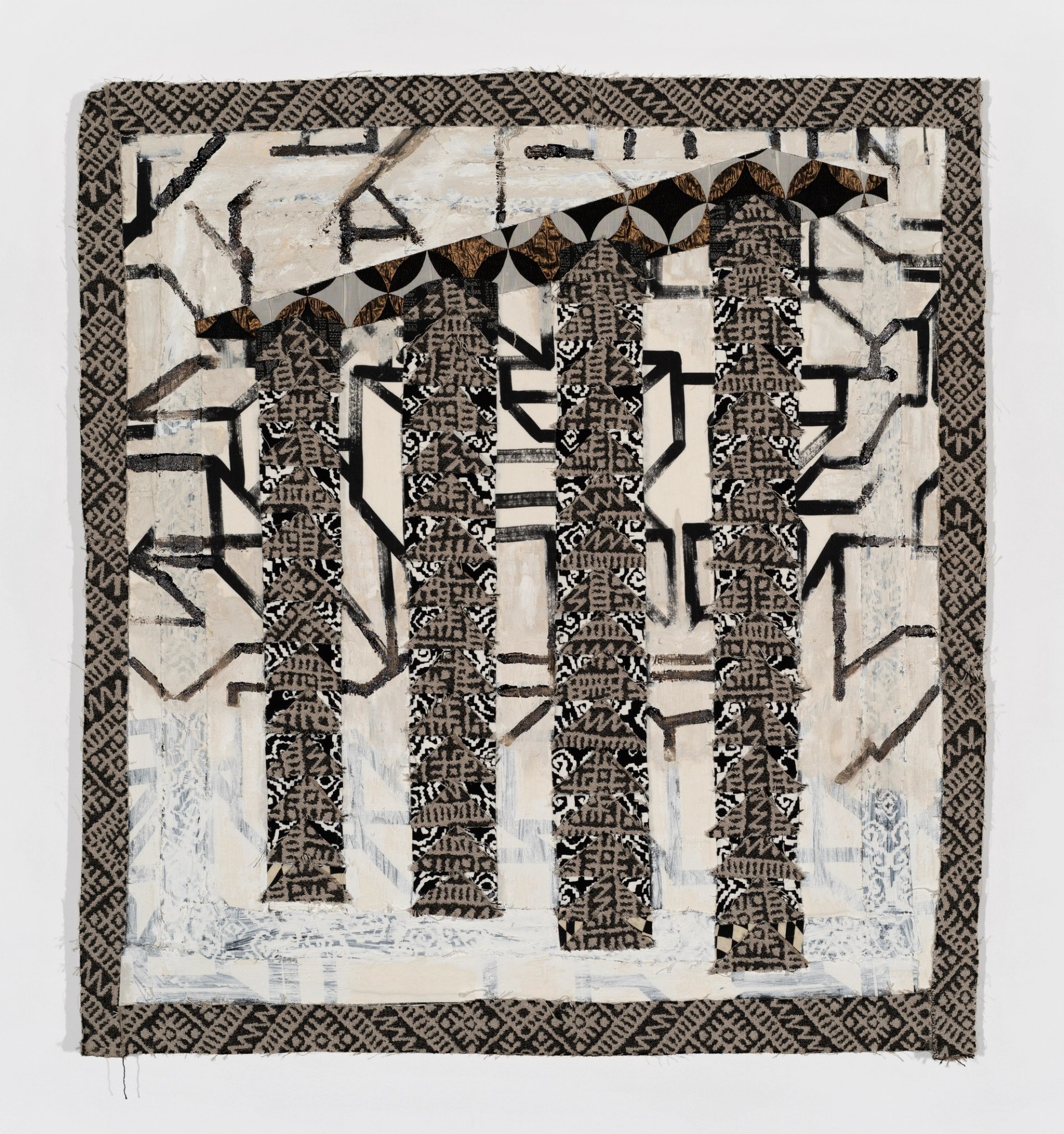
David Castillo is showing Sanford Biggers’s Presage (2025)
Courtesy of the artist and David Castillo
Local dealers in the spotlight
Finn says that she is also looking forward to the participation of more local galleries this year. In all, seven galleries with local spaces will be participating in ABMB: David Castillo, Central Fine, El Apartamento (which also has spaces in Havana and Madrid), Nina Johnson, Fredric Snitzer Gallery, Piero Atchugarry Gallery (which also has a space in Garzón, Uruguay) and Voloshyn Gallery (which also has a space in Kyiv).
The local dealer Nina Johnson’s eponymous gallery is making its ABMB debut. With a handful of artists on the gallery’s roster enjoying concurrent institutional shows, having a stand at the fair “just really makes sense”, Johnson says. This was the first year the 18-year-old gallery applied, having usually taken part in Miami Art Week’s smaller satellite fairs.
“Fairs are most successful when you approach them with a kind of strategic and considered vision,” Johnson says. “For me, that’s a political and conceptual conversation. It’s a conversation around beauty, and then saying: what is the appropriate context for them? And this year, the answer for that was Art Basel.” Her group stand will include works by Anna Betbeze, Rochelle Feinstein, Patrick Dean Hubbell and Katie Stout, among others.
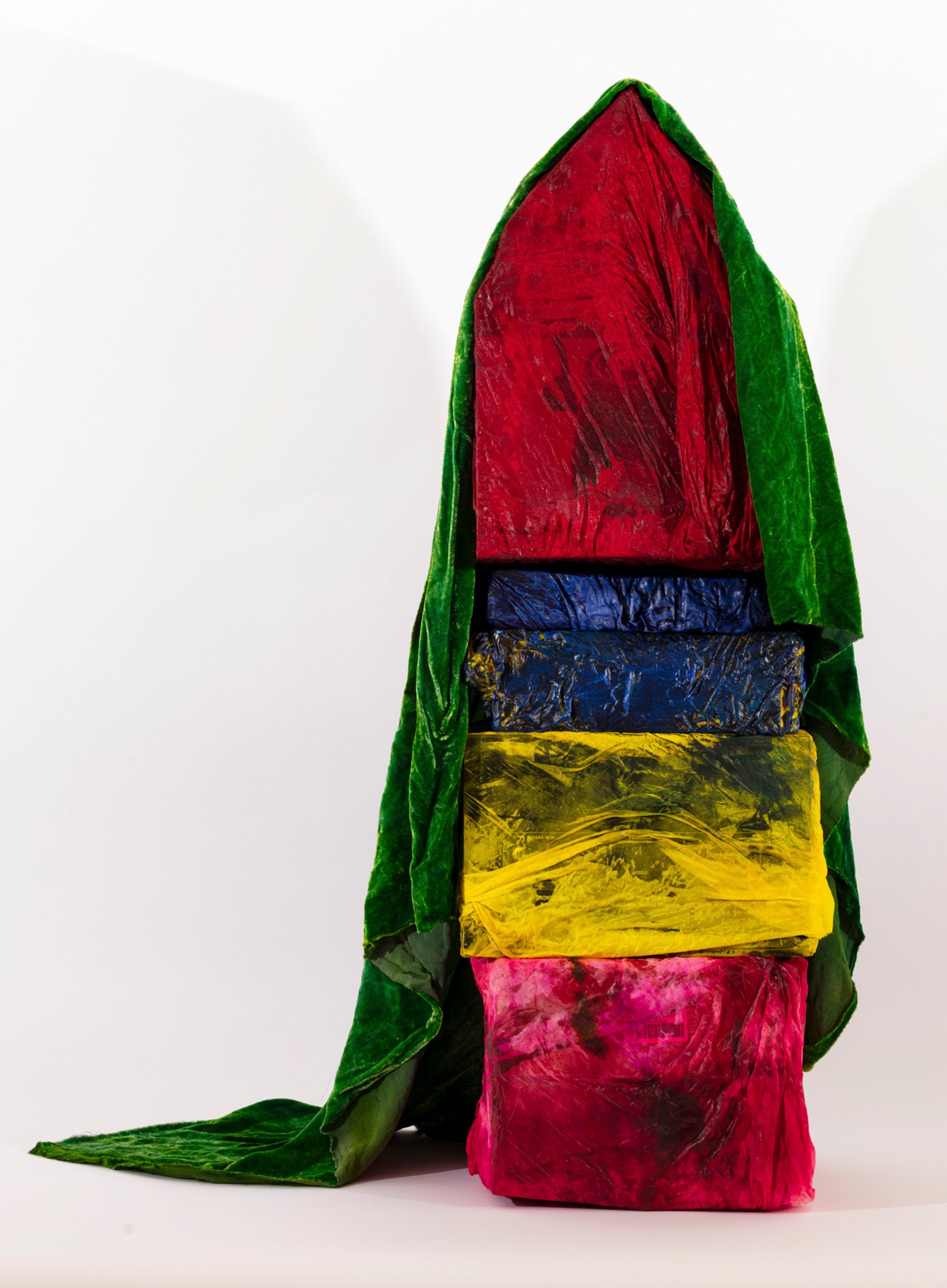
Anna Betbeze’s Untitled (Stack) #12, on the stand of Art Basel first-timer Nina Johnson
Courtesy of the artist and Nina Johnson
For Johnson, who grew up in Miami, it is also an important time to represent the city on a global stage. Florida has been at the forefront of the US’s polarised political landscape since President Donald Trump was re-elected last year. Miami-Dade County, which includes Miami Beach, swung to the right after long being considered a Democratic stronghold within a red state. Florida’s governor, Ron DeSantis, has stayed in line with the Trump administration’s policies, including working with the federal government to conduct sweeping immigration raids and open the migrant detention centre known as Alligator Alcatraz, painting over Pride-themed rainbow sidewalks, and targeting LGBTQIA+ education in schools, drag performances and gender-affirming care for minors.
“The Miami that I opened my gallery in 18 years ago is very different from the Miami that I sit in today,” Johnson says. “Miami was rich with immigrant communities, rich with queer communities, and the city really embraced that. So to now see it be a place where that’s no longer the case, or sort of quickly changing, is deeply concerning to me.”
As an independent commercial gallery not beholden to a board of directors or local government, the space can operate as a hub for queer culture in a time when some art institutions are under pressure to self-censor. During ABMB, one of the three shows Johnson’s gallery will stage at its Little Haiti home base is Acid Bath House, curated by Jarrett Earnest and inspired in part by the culture of gay bathhouses.
“It’s a show that really celebrates the idea of the gallery as a safe and celebratory space for queer culture,” Johnson says. “I think that’s really important, because where else is that happening in South Florida right now, you know?”
[ad_2]
Source link